






Universal Credit claims hit 8.4 million as welfare cuts rejected


More than eight million people were claiming Universal Credit at the start of 2026, with new figures underlining the scale of the Government’s welfare bill ahead of the October Budget.

Department for Work and Pensions (DWP) statistics show 8.4 million people were receiving Universal Credit in January 2026, up from 7.4 million a year earlier.
The average household payment was £1,030 a month, though awards vary depending on circumstances.
Single claimants without children received an average of £800, while couples with children received the highest average payment at £1,310.
The rise in claimant numbers was partly driven by the migration of people from legacy benefits onto Universal Credit. Around 1.7 million people moved across in December 2025 as part of that transition.
Following April’s annual uprating, the standard allowance for a single person under 25 is £338.58 per month.
Prime Minister Andy Burnham has made tackling cost‑of‑living pressures a central part of his agenda. Measures introduced by the Government include a six‑month VAT reduction on electricity and lower VAT rates for pubs and clubs.
Despite pressure on the public finances, Mr Burnham has ruled out broad benefit cuts, saying he would not pursue “a kind of crude approach, crude cuts to benefits to get the welfare bill down”.

He argued such cuts “push people into even more crisis and then even more public spending in another part of the system”, adding: “We need a system that sets people up for success rather than pays for failure.”
The National Institute of Economic and Social Research (NIESR) has warned that inflation linked to the Iran war could further limit the Government’s fiscal flexibility.
Stephen Millard, deputy director for macroeconomics, questioned whether the Government’s support package was the right response, saying it was the Bank of England’s responsibility to hit the inflation target.
“There’s clearly no scope for increasing borrowing, so it is about choices,” he said.
LATEST DEVELOPMENTS
- Andy Burnham told to raid Britons for £12billion more in taxes by former Labour leader
- UK state pension climbs European rankings as triple lock boosts retirement incomes
- Pension tax SHOCK as HMRC rake in £672million from retirees in 'striking' raid

“I’m yet to be convinced that how these things will be funded has been fully thought through, but there is going to be a budget in October.”
He suggested higher taxes — potentially through tax reform — would be preferable to spending cuts.
The political challenges of reducing welfare spending have been evident in recent years.
Former prime minister Sir Keir Starmer abandoned plans to cut the welfare budget by £5billion after a backbench rebellion.
Mr Burnham has since pledged a more collaborative approach with Labour MPs.
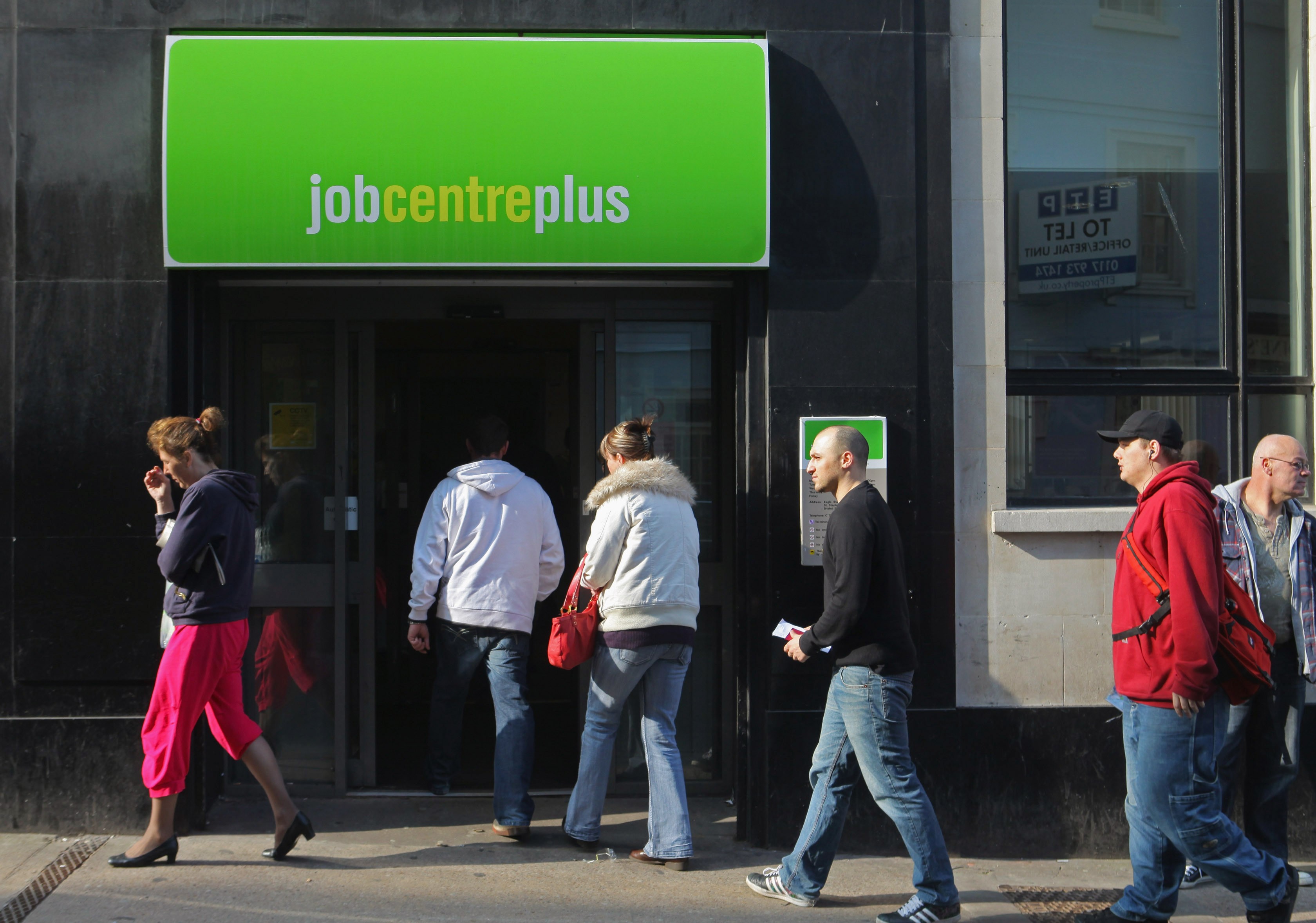
The latest DWP figures also show that many Universal Credit recipients are in work.
Around 2.7 million claimants, 32 per cent of the total, were employed in December 2025, underlining that Universal Credit supports both unemployed people and those on low incomes.
The Government is expected to set out its wider fiscal plans when Chancellor John Healey delivers the Budget in October.
Our Standards: The GB News Editorial Charter