










The Importance of Breastfeeding: Benefits for Mothers and Babies
Breastfeeding is a natural and vital process that has been practiced for centuries. It is the act of feeding a baby with milk produced by the mother’s mammary glands. While the act itself is simple, the implications of breastfeeding are profound, impacting the health and well-being of both mothers and their infants. This article explores the importance of breastfeeding, its benefits, and why it is encouraged by health professionals worldwide.
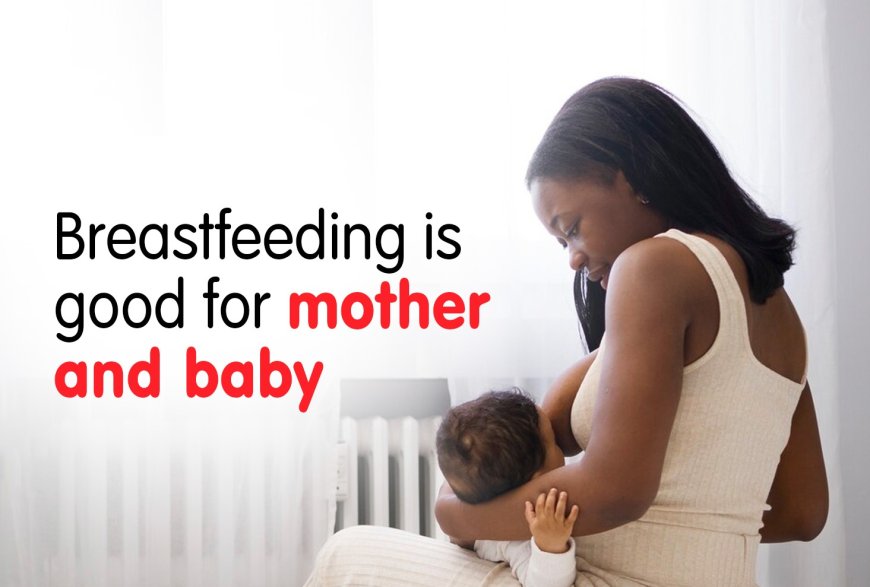
The Importance of Breastfeeding
Breastfeeding is not just a method of feeding; it is a critical component of infant health and development. The World Health Organization (WHO) recommends exclusive breastfeeding for the first six months of life, followed by continued breastfeeding along with appropriate complementary foods up to two years of age or beyond. This recommendation is based on extensive research that highlights the numerous advantages of breastfeeding.

Nutritional Superiority
Breast milk is uniquely tailored to meet the nutritional needs of infants. It contains the perfect balance of proteins, fats, vitamins, and carbohydrates, which are essential for a baby’s growth and development. Additionally, breast milk is easily digestible, making it ideal for newborns whose digestive systems are still maturing.
Immune System Support
Breast milk is rich in antibodies and other immunological factors that help protect infants from infections and diseases. This natural immunity is particularly crucial in the early months of life when babies are most vulnerable. Breastfeeding has been linked to lower rates of respiratory infections, gastrointestinal diseases, and other illnesses.
Emotional Bonding
Breastfeeding fosters a strong emotional connection between mother and child. The physical closeness, skin-to-skin contact, and eye contact during breastfeeding promote bonding and attachment, which are essential for the baby’s emotional and psychological development.
Economic Benefits
Breastfeeding can also have significant economic advantages. It reduces healthcare costs associated with infant illnesses and can save families money on formula and feeding supplies. Additionally, breastfeeding can lead to fewer missed workdays for parents due to child illness.

Benefits of Breastfeeding
Here are some of the key benefits of breastfeeding, along with brief explanations for each:
-
Optimal Nutrition:
- Breast milk provides all the essential nutrients that a newborn needs for healthy growth and development, including proteins, fats, vitamins, and minerals.
-
Enhanced Immune Function:
- The antibodies and immune-boosting components in breast milk help protect infants from infections and diseases, reducing the risk of illnesses such as diarrhea and pneumonia.
-
Reduced Risk of Chronic Conditions:
- Studies have shown that breastfeeding is associated with a lower risk of chronic conditions later in life, including obesity, type 2 diabetes, and cardiovascular diseases.
-
Improved Cognitive Development:
- Research indicates that breastfeeding may enhance cognitive development and lead to higher IQ scores in children, likely due to the presence of essential fatty acids and other nutrients in breast milk.
-
Convenience and Cost-Effectiveness:
- Breastfeeding is convenient as it requires no preparation or equipment, and it is cost-effective since it eliminates the need for formula and feeding supplies.
-
Maternal Health Benefits:
- Breastfeeding has been linked to a lower risk of breast and ovarian cancers, as well as a reduced risk of postpartum depression. It also helps mothers return to their pre-pregnancy weight more quickly.
-
Natural Birth Control:
- Exclusive breastfeeding can delay the return of menstruation and ovulation, providing a natural form of birth control known as lactational amenorrhea.
-
Environmental Benefits:
- Breastfeeding is environmentally friendly as it reduces waste associated with formula packaging and production, contributing to a more sustainable planet.
-
Support for Maternal Bonding:
- The act of breastfeeding promotes skin-to-skin contact, which enhances emotional bonding and attachment between mother and baby.
-
Long-Term Health Benefits for Mothers:
- Women who breastfeed have a lower risk of developing certain health issues, including hypertension and heart disease, later in life.

Conclusion
Breastfeeding is a fundamental aspect of infant care that offers a multitude of benefits for both mothers and babies. From providing optimal nutrition and immune support to fostering emotional bonds and promoting maternal health, the advantages of breastfeeding are clear. As public health organizations continue to advocate for breastfeeding, it is essential for mothers to receive the support and resources they need to successfully navigate this important journey. By prioritizing breastfeeding, we can contribute to healthier families and communities for generations to come.