










'Great British Gridlock!' Andy Burnham's £4billion grid plans branded 'complete and utter con'

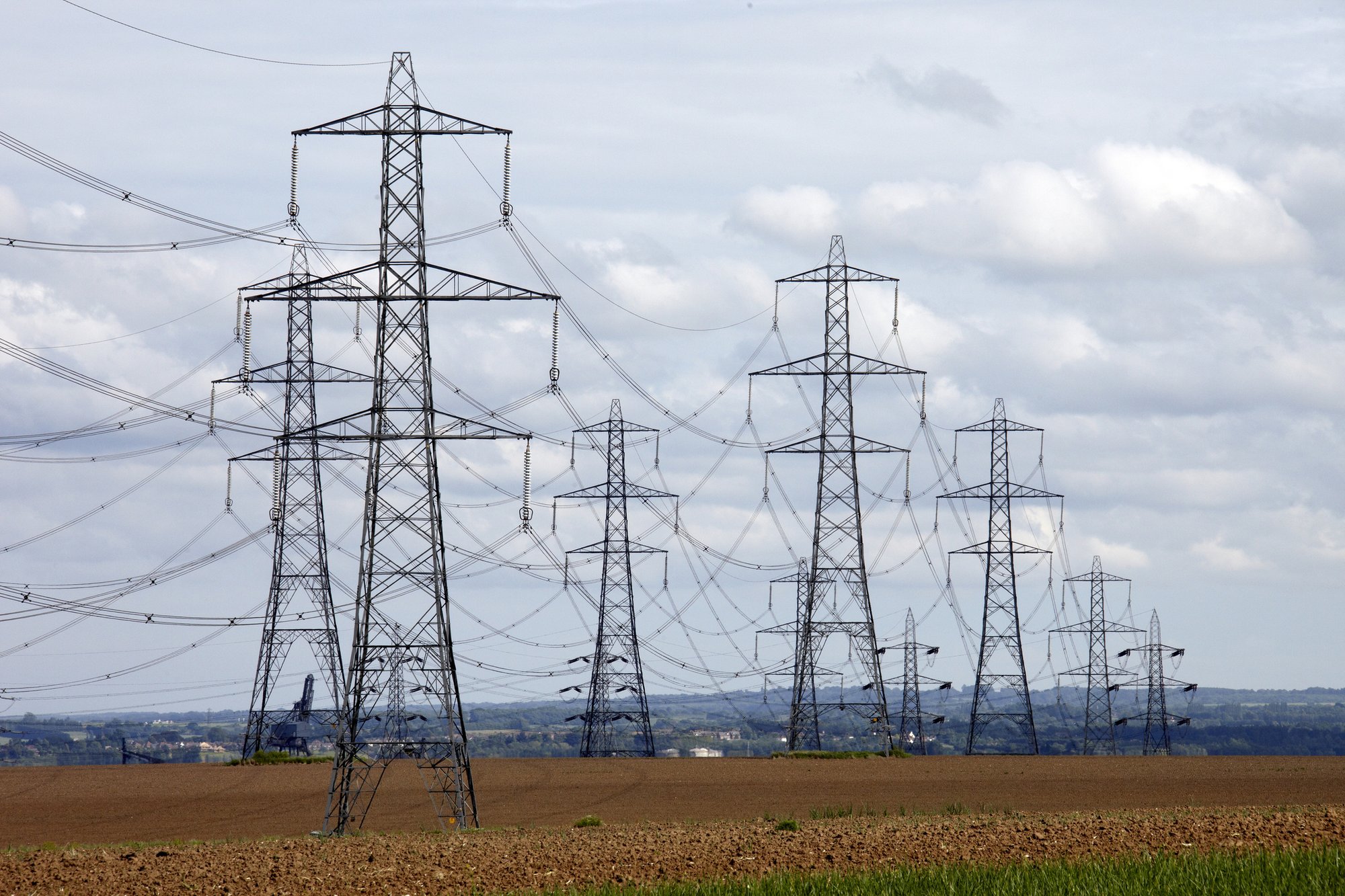
Andy Burnham's £4billion plan for a state-owned electricity grid company risks wasting public money without solving Britain's energy problems, experts have warned.

The Prime Minister's Great British Grid has been branded a "classic political distraction", with critics arguing it will do little to tackle a shortage of skilled workers and supply chain issues that are holding up construction.
Mr Burnham announced the scheme at Labour's conference today, promising to increase competition, drive down costs and speed up electricity connections.
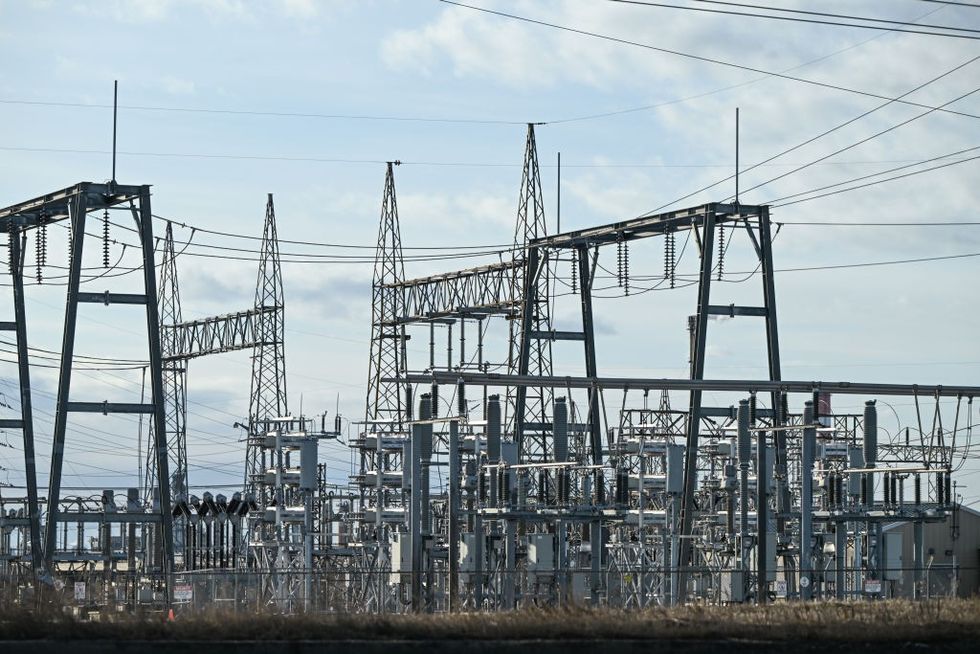
GB Grid will compete with existing network operators to build and upgrade the infrastructure needed to connect businesses and energy projects to the electricity system.
The Government hopes to tackle delays that have previously left some projects waiting up to ten years to connect.
Britain urgently needs to expand its electricity network to accommodate growing numbers of renewable generators, often located far from the towns and cities they supply.
Industry insiders said there was frustration at the speed the network was currently being built, adding that anything that made connections faster should be welcomed.
"Ultimately this stuff is not being built quickly enough," the source said. "The country needs these projects to be delivered to keep costs down.
"There is a whole lot of transmission that needs to be delivered if you're aiming to lower these costs.
"Speeding that up is a good thing."

While GB Grid was unlikely to be building miles of pylons, they suggested it would help in identifying and connecting key projects that could deliver swift benefits.
"If GB Grid can speed these up and make them happen, then that's really important and it would bring down consumer bills."
But other energy experts questioned the viability of the scheme.
Gordon Hughes, former Professor of Economics at the University of Edinburgh, and senior adviser on energy and environmental policy at the World Bank until 2001, said Mr Burnham's ambitions were unrealistic.
LATEST DEVELOPMENTS:
- Energy bills set to rise under new 'buy British' grid plans, Labour admits
- Labour told to scrap fuel duty hike as John Healey warned over 'worst timing possible'
- Hundreds of protesters march on giant Net Zero pipeline
He said: "This seems like another utterly incoherent mess.
"£4billion may seem a lot when you're at a party conference, but it's small change when it comes to issues with extending and building the grid."
He added: "All of this sounds more like a political announcement rather than a practical scheme.
"It is completely unrealistic and it is made by politicians who don't know anything about engineering and finance.
"This is classic political distraction."
The University of Cambridge's Professor Michael Kelly has previously published research on the scale of grid upgrades.
He estimated that it would need to be 2.7 times its current size, requiring 38,000 professional engineers working full time until 2050, along with three times as many skilled tradesmen. Key equipment such as transformers was in short supply globally, he warned.
"My serious professional advice is to pause and construct the pathway in much greater detail, so that the estimates can be refined," he said.
"The Net Zero project today resembles the early days of HS2, with the absence of solid professional engineering understanding to temper political grandstanding that is untethered from engineering reality.
"I can confidently predict the same totally unsatisfactory outcomes for the Net Zero project."
Energy analyst Kathryn Porter, founder of the Watts-Logic consultancy, agreed that supply chains would be the sticking point.
She said: "Labour is again mistakenly thinking provision of capital is the issue. It isn't. Network companies are able to get the funding they need for new investment through the regulatory process with the costs being recovered through bills.
"There are big issues around workforce capacity and supply chain constraints, neither of which are solved by a new pot of funding for projects."

Dr John Constable, director of the UK charity Renewable Energy Foundation, said that the main cause of high electricity bills was policy costs.
He said: "The Prime Minister's plan will strike anyone familiar with the sector as ironic. Electricity prices are high chiefly because of Government intervention.
"The subsidies, mandates and the network costs of Net Zero policy already cost consumers over £20billion a year, a large fraction of the total cost of supply."
Shadow Energy Secretary, Andrew Bowie, also criticised the plans.
He said: "Great British Grid? More like Great British Gridlock.
"What a complete and utter con. A waste of time and money that won't reduce bills or in any way improve our security of supply."
But the new body was welcomed by Greg Jackson, founder and CEO of Octopus Energy.
He said: "Britain's grid has become a barrier to growth, with businesses and generators waiting years to get connected.
"Bringing competition could speed up connections and bring down costs."
And Enrique Cornejo, policy director of the oil and gas trade body, Offshore Energies UK, agreed that faster grid connections were critical to energy security.
He said that the creation of GB Grid needed to go hand in hand with reforms to the connections process.
"Getting this right will help projects in every region, from Scotland to the North Sea coast and beyond, connect sooner and keep the UK competitive for energy investment," he said.
Our Standards: The GB News Editorial Charter