





Teachers could face jail under Labour's trans bill, school leaders warn

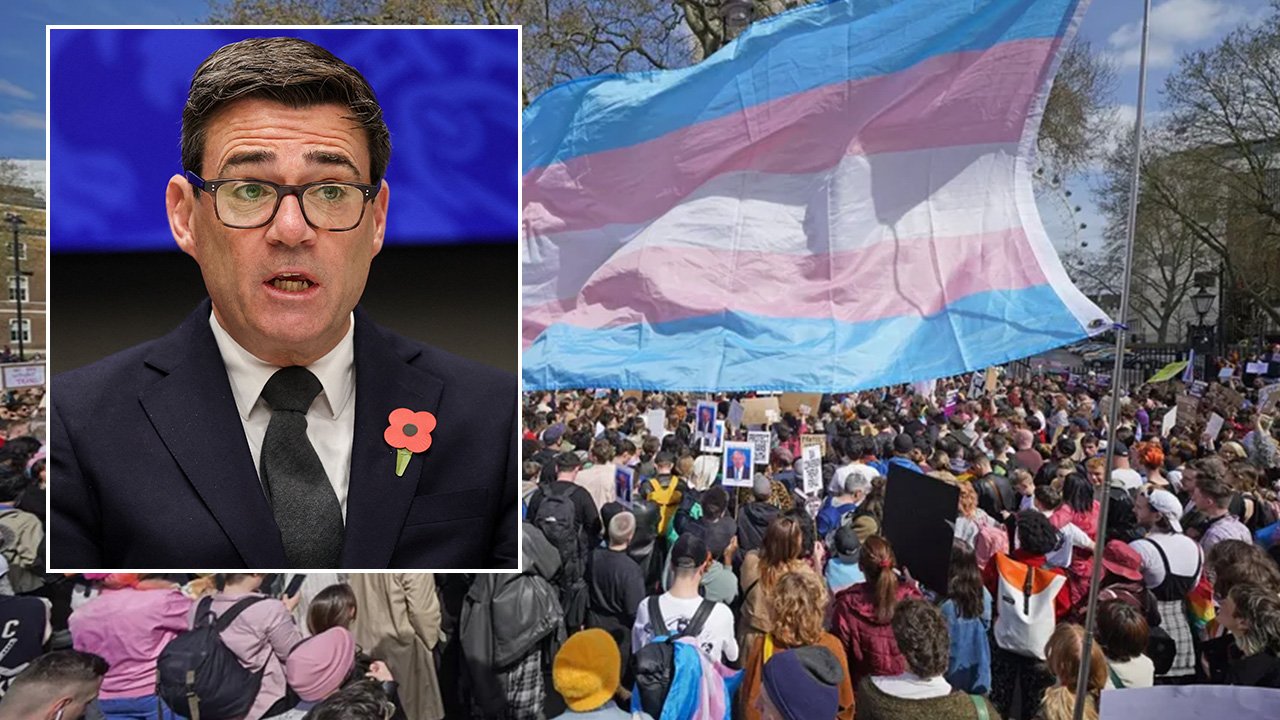
Britain's top school leaders have warned that the Labour Government's Conversion Practices Bill could see teachers imprisoned for questioning a child’s desire to change gender.

Governors, headteachers and teaching unions argue that the draft legislation would put staff and students at risk of prosecution.
They also fear that teachers who use the wrong pronouns for a child could be reported to the police under Labour's proposed law.
The draft Bill proposes prison sentences of up to five years for "abusive" attempts to change someone’s sexuality or gender identity which cause serious harm or distress.
Labour MPs and former prosecutors have widely criticised the Bill and the risk it poses to parents, as they too could face five years in prison for questioning their own children on the matter.
On Friday, Britain’s biggest teaching union, the National Education Union (NEU), weighed in on the debate and said it would lobby MPs to ensure there were no "unintended consequences" for its members.
A spokesman for the union told The Telegraph: "The NEU will be looking at this Bill and engaging with MPs where necessary to ensure that there are no unintended consequences or disproportionate burdens on schools.
"Staff should follow their workplace policies on safeguarding and professional training, and time for staff discussion is essential."

The draft legislation has also received criticism from the National Governance Association (NGA) and the Association of School and College Leaders (ASCL).
The NGA, which represents more than 80,000 school governors and trustees, has demanded "urgent guarantees" from the Government that its members will not face prosecution.
Charlotte Harding, the NGA’s director of professional development, said her organisation believes that "without clear alignment between this draft Bill and existing statutory safeguarding guidance", governing boards will have to "navigate the ambiguity" needs to be "addressed quickly and effectively by the Government".
She added: "Governors and trustees should never be left to navigate grey areas between statutory guidance and criminal law, or have to rely on legal inference to know what ‘reasonable steps’ looks like in practice."
LATEST DEVELOPMENTS
- Bosses could be sent to JAIL if their staff use wrong pronouns under new trans law
- Labour MPs revolt against Andy Burnham’s trans law amid fears parents could face jail
- Labour's trans conversion therapy bill is 'contrary to rule of law', warns former top prosecutor

Ms Harding confirmed that the NGA will be "asking the Government for explicit assurances" from ministers, backed by clear "statutory guidance or amendments if needed".
She made clear that the Government's decisions must be "taken in good faith, in line with Keeping Children Safe in Education cannot be criminalised; and second, a clear, practical definition of what ‘all reasonable steps’ means for volunteer governors and trustees".
Similar to the NGA, the ASCL confirmed it was "aware" of the concerns surrounding the Bill and was monitoring "closely".
The Independent Schools Council, representing more than 1,500 private schools, said school leaders will "always strive to meet all legal obligations set by the Government".
A spokesman told The Telegraph: "If there is ever a situation where those obligations seem at odds with each other, ISC will work with the [Department for Education] to ensure there is clarity for heads and governors."
Ministers insist the proposed law is intended to close gaps in existing legislation, particularly around psychological abuse, rather than punish those expressing concern or offering advice.
When challenged by The Telegraph, the Government could not identify any clause in the Bill expressly exempting teachers who follow safeguarding guidance.
A Downing Street spokesman said: "We have brought forward a draft Bill for pre-legislative scrutiny in order to get this right and end almost a decade of delay for LGBT+ people, who should never have to suffer abuse in an effort to change who they are."
The draft Bill is undergoing parliamentary scrutiny and has not yet become law.
Our Standards: The GB News Editorial Charter