




Labour accused of waging 'war on the countryside' as game shooting faces uncertain future

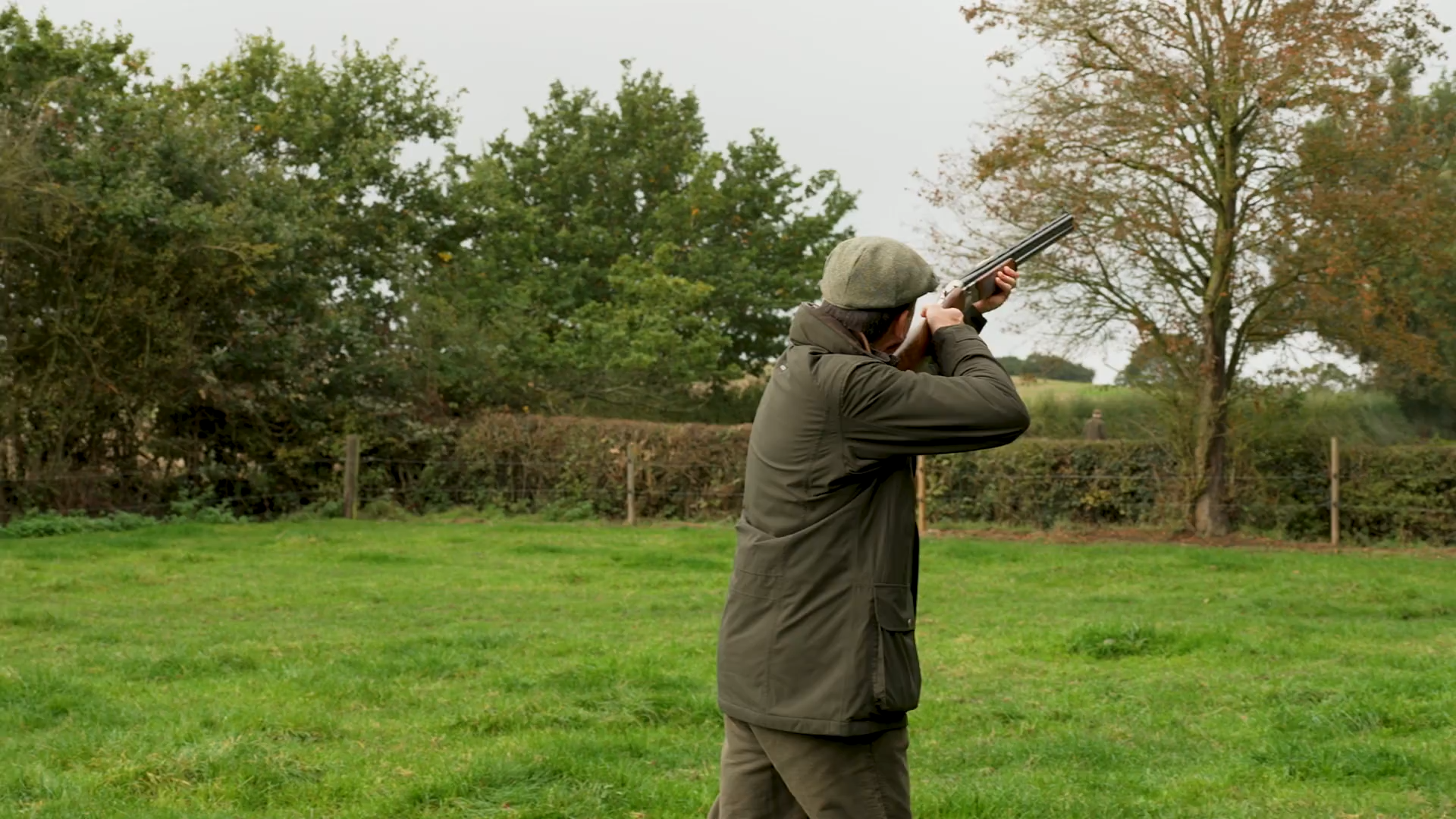
The future of game shooting is in doubt, despite the sport bringing billions of pounds to the economy each year, alongside environmental and health benefits for rural communities.

The Department for Environment, Food and Rural Affairs' call for evidence on the rearing, release and shooting of gamebirds in England closes tomorrow.
The consultation could pave the way for new laws banning the release of pheasants and partridges, and the shooting of pheasants, partridges and grouse.
Government ministers say they want to hear about the positive and negative impacts of gamebird rearing, release and shooting in England. They claim no decisions have been taken yet on whether any changes will follow and stress that any future policy will be followed by a full public consultation.
But the call has drawn a strong reaction from rural and shooting organisations, who warn that licensing the activity threatens the countryside and rural communities.
With the shooting season beginning this month, GB News went along to a shoot in Nottinghamshire to see how changing the rules would impact a traditional British countryside pursuit.
The Countryside Alliance argues the call for evidence marks the first step towards banning the activity, because to license something, you must first make it illegal. The Alliance claims banning game shooting would be “catastrophic” for the rural economy as well as vital conservation work carried out by shooting providers and volunteers to the tune of £500 million per year.
Mo Metcalf-Fisher is the Director of External Affairs at Countryside Alliance. He told the People's Channel: "The government have issued a call for evidence on all aspects of game shooting and gamebird release. Now, the concern that we have as an industry, as a sector, as a community is it's the first step on the long road to banning game shooting because in order to license something, which is something the government is considering, you first have to ban it. That will be absolutely devastating for the countryside. Shooting brings in a whopping £3.3 billion to the UK economy, but beyond that, it pumps vast sums into vital conservation work.

"If the government were to ban game shooting or restrict it, it would impact biodiversity and the rural economy. The rural economy is already struggling as a result of the 27 harmful policies that have come from the government in the last two years. This would be a further blow to an already struggling countryside.
"We have a clear message to Westminster, and that is to start delivering for the countryside and rural people, not against them. Banning game shooting will be an absolute disaster."
The move comes amidst an ongoing row between the countryside and the government, following a series of “harmful” policies including the family farm tax and proposed ban on trail hunting.
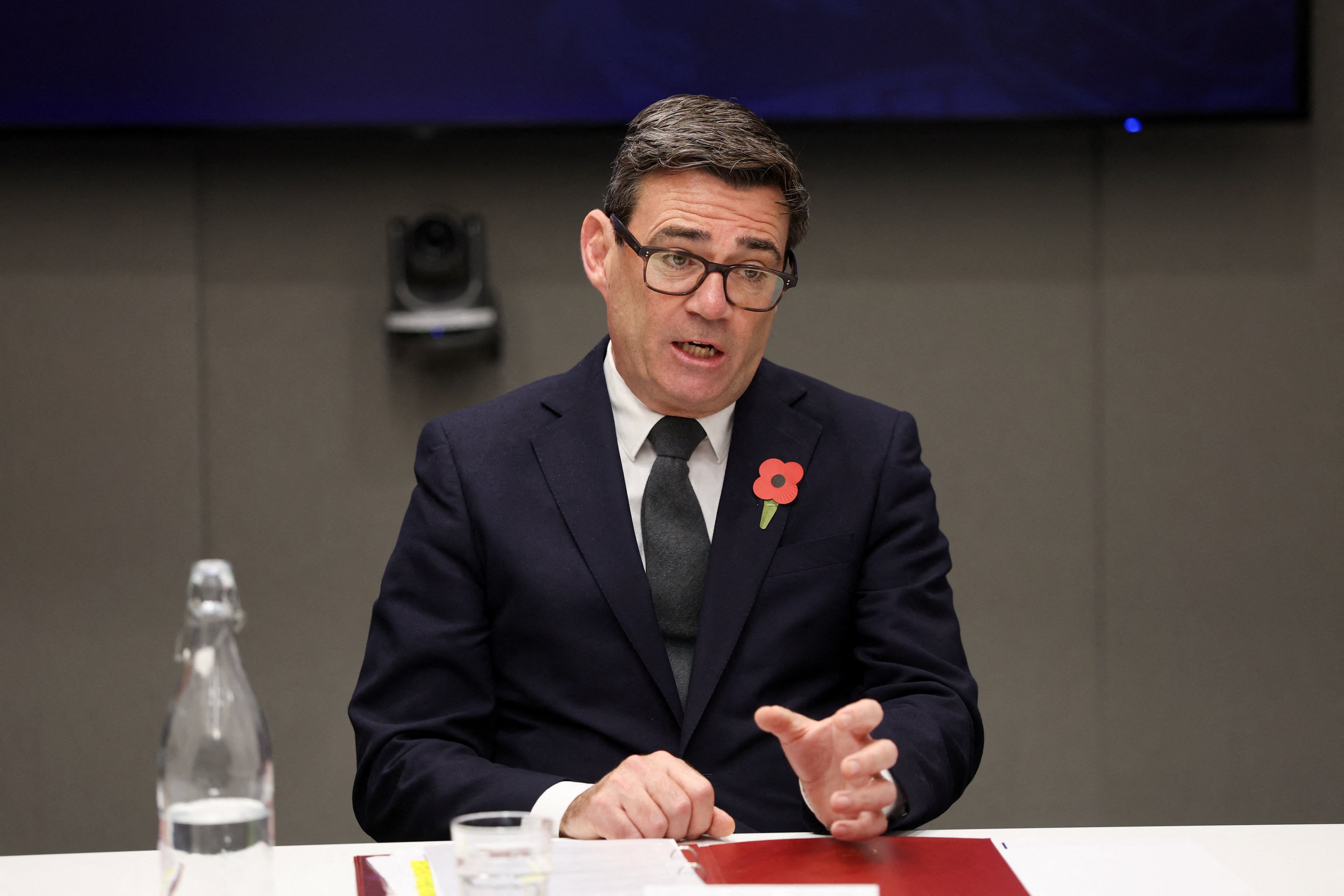
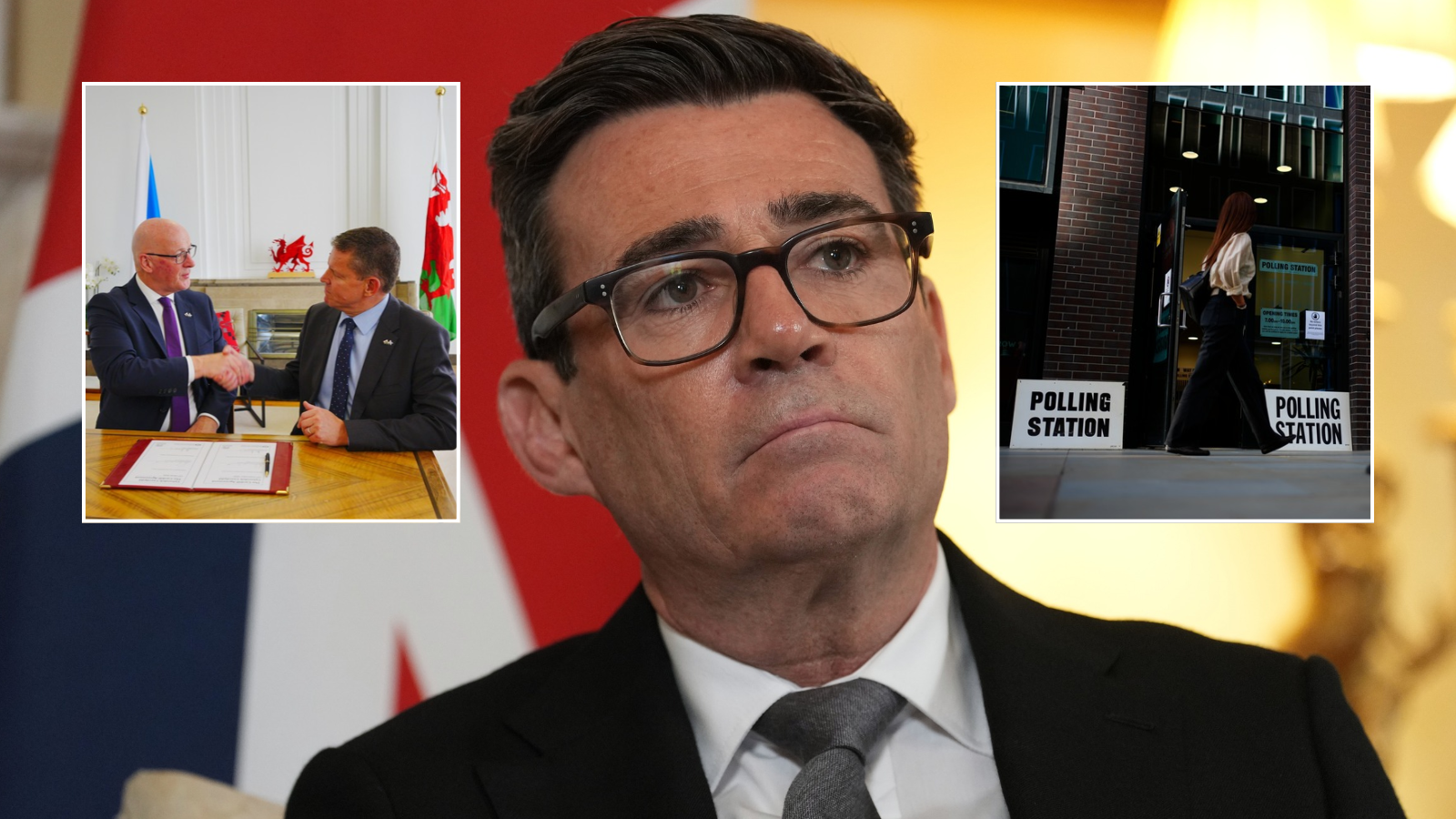
The Countryside Alliance adds that with Prime Minister Andy Burnham promising “good growth in every postcode”, he will not achieve that by “crippling” one of the biggest businesses in the countryside.
LATEST DEVELOPMENTS
- Met Police warns protesters they ALL face arrest if they attend Palestine Action demonstration
- Met Office issues fog warning as drivers urged to be cautious over hazardous conditions
- Driving law changes launching in November - New fuel standards, pedicab restrictions & more

The organisation has called for a “rural reset”, urging the government to fix its relationship with rural Britain.
"We believe it's so important that the government resets its relationship with rural people, who want to play their part in making the countryside the best possible place it can be in terms of the economy delivering for the rest of the country," said Mo Metcalf-Fisher, Director of External Affairs at Countryside Alliance.
"But we can only do that if the government have our backs and they're there to support us. We need the government to drop the family farm tax. We need them to drop their obsession with culture war issues, trying to ban game shooting, trying to ban trail hunting and focus on actually delivering solutions that are going to help rural people thrive.
"Then we can go about helping Andy Burnham create good growth in every postcode."

Beyond conservation, game shooting is a vital economic contributor in rural areas, particularly during the winter months when seasonal tourism drops significantly. Industry data confirms that game management contributes over £3.3billion annually to the UK economy and supports tens of thousands of jobs, while also sustaining an ecosystem of other rural businesses including pubs, restaurants and hotels.
Analysis from the Countryside Alliance reveals that in just two years, the Government has announced or imposed 27 policies that are harmful to the countryside and rural communities, including the Family Farm Tax, which saw farmers protest on the streets of Westminster.
Farmer Mark Spencer's land was used for the shoot in Nottinghamshire. He told GB News that game shooting provides not just economic and environmental benefits, but also a chance for the rural community to get together.
"It's good to come and socialise - in rural England, farming is quite a lonely job. Often you can be sat on a tractor on your own for days on end," he said.
"Having an event like this to come and meet with other like-minded people, with other farmers, it's quite important, particularly in parts of the country where it's very remote, in places like Devon and North Yorkshire, they're very rural, remote areas.
"But having the opportunity to come together and socialise and to share your concerns and have a laugh is quite important for people's mental health, to be honest.
"With the Starmer government and the inheritance tax for farmers, it does feel like we're constantly under attack. But I think there is an opportunity actually, for the Burnham government to reset that relationship with the countryside and to operate in a different way.
"To stop this event from happening would be a disaster not only economically for the countryside, but also emotionally in terms of people's welfare and their mental health."
Emily Hinchley, 25, was participating in the shoot and her dogs were also picking up shot pheasants to ensure that none were wasted and could go back into the food chain.
She said: "I really enjoy bringing my dog, and I get to spend time with my mum because we stand together picking up with our three Labradors, and today I'm stood with my dad, so it's nice to just have a day out and spend time with the family.
"During the winter when it's gloomy, it gives you something to look forward to - it just helps you get through your week and it's just a nice day out.
"There's so much worse going off in the world, and shooting isn't harming anything, and it keeps so many people happy and keeps all of the farmers going. Because when we can have bad summers with harvests and things like that, it's something to look forward to. So the government leave us alone."

Data has also shown that game shooting plays an indispensable role in maintaining the health and biodiversity of the UK’s rural landscapes. Decades of peer-reviewed research show that habitat managed for game birds—including woodland management, hedgerow planting, and winter feed crops—directly supports a vast range of non-game species, from declining songbirds to rare pollinators.
Calum Grant participated in the Nottingham shoot and is also the President of Nottingham Young Farmers and a farrier.
He told GB News: "I think people see the wrong side of it thinking shooting is just shooting and it's not. It's conservation - seeing songbirds thrive, and seeing the rare species survive because of what we're doing with cover crops and feed and especially in hard winters and the summer like we've just had, shooting put water out for birds that sort of struggled.
"So it's the whole picture, and it's everything it does for the rural community and the environment as well.
"At the moment I think shooting works very well. I think it's very well policed and that the police forces are doing a good job with it. I think making it more difficult to shoot is going to be so detrimental to people's livelihoods and wellbeing."
In the Land Use Framework published in March this year, the Government set out an ambition that to future-proof the gamebird shooting sector and ensure high environmental and animal health and welfare outcomes, it wants to transition to the highest standards of practice being consistently applied for upland and lowland shooting.
It included a commitment to work with the sector and other stakeholder groups to explore wider measures such as licensing and any associated conditions for recreational gamebird shooting and release. This will begin with evidence gathering.
The government says the Call for Evidence, which runs from 4 September to 1 November, will help deliver that commitment by gathering evidence to inform any future policy considerations.
A Defra spokesperson said: “High environmental and animal welfare standards must be in place for sustainable shooting to succeed, protecting our ecosystems and biosecurity.
“We are collecting evidence which will allow us to weigh up whether further action is needed to guarantee the highest shooting standards across the country.”
The results will inform future advice to ministers. Any proposed changes which go beyond current approaches will be subject to public consultation.
For further information and to respond to the Call for Evidence, click here: https://consultations.defra.gov.uk/call-for-evidence-on-gamebird-release-shooting-and-welfare-during-rearing-in-england
Our Standards: The GB News Editorial Charter