

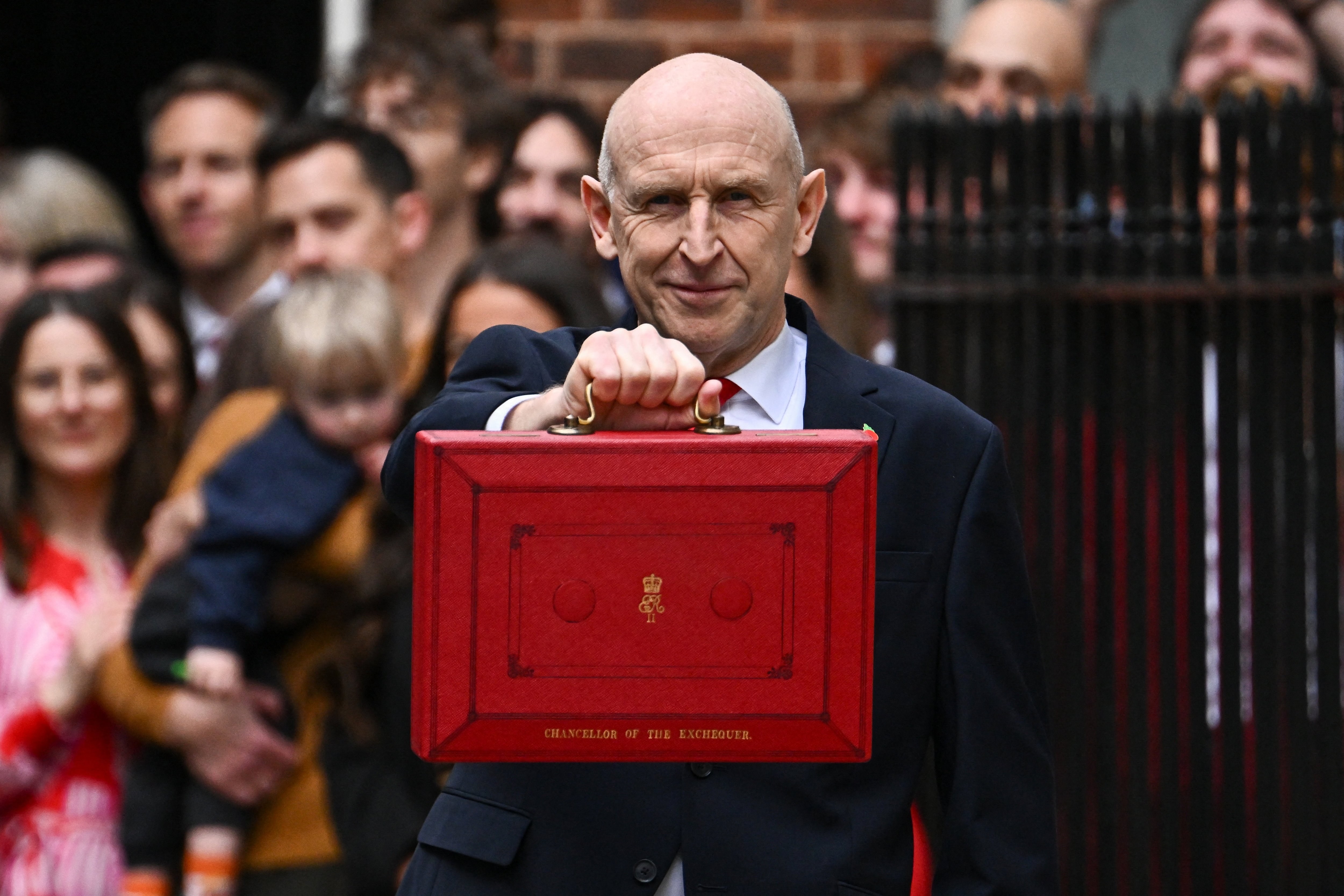


John Healey dodged the big issues facing Britain in a Budget lacking ambition

"It is what it is," a senior Treasury minister told me in the hours after John Healey had unveiled the Labour Government's third Budget of this Parliament. And he was right. This was a Budget which few will write home about in the coming months.

There were plenty of tweaks to tax and spend without any single measure which will be used to define it. There were nearly 100 policies announced - but experts on the Politico website calculated that they had the smallest average value on record.
The big announcement was a £100 gift to households in homes in council tax bands A to D, paid for by a temporary (15 month-long) hike in taxes on banks.
Aides were pleased this went to working households via council tax rebate, rather then benefits claimants, so it could be seen to be rewarding working families.

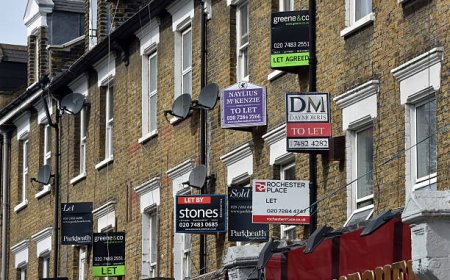
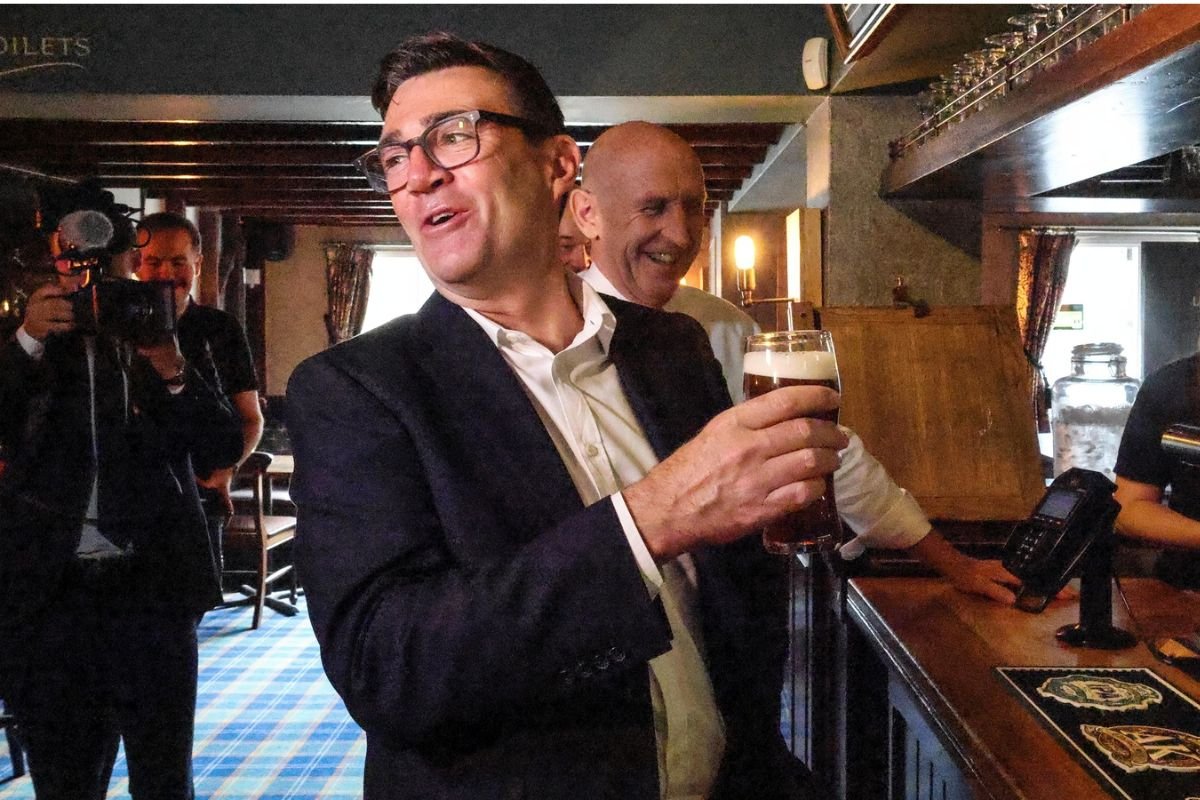
And there were other tweaks too - such as moving green levies on energy bills into general taxation, tax reliefs for pubs, hotels and small breweries and other easements for entrepreneurs, as well as fresh help to get people onto the housing ladder, paid by a 2pc hike in income tax paid by landlords and savers.
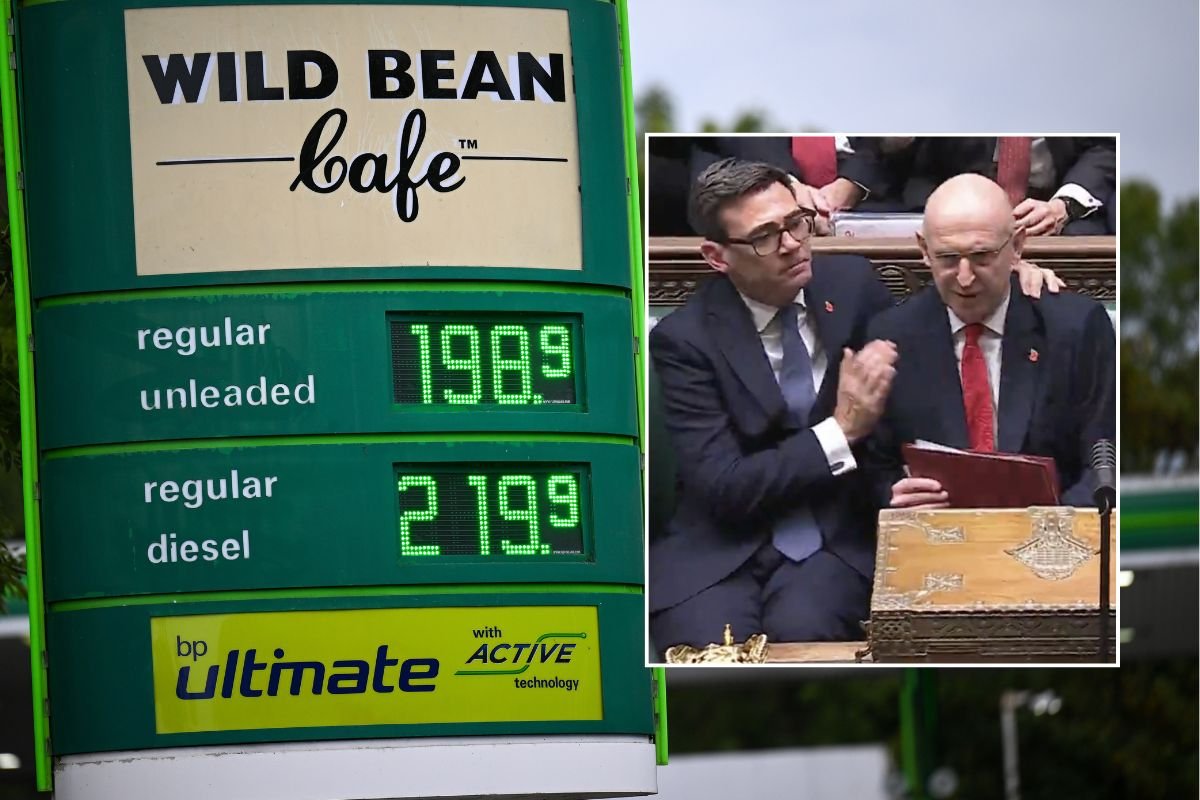
But the Budget seemed to lack was the ambition which Andy Burnham had trumpeted on the step of Downing Street last July.
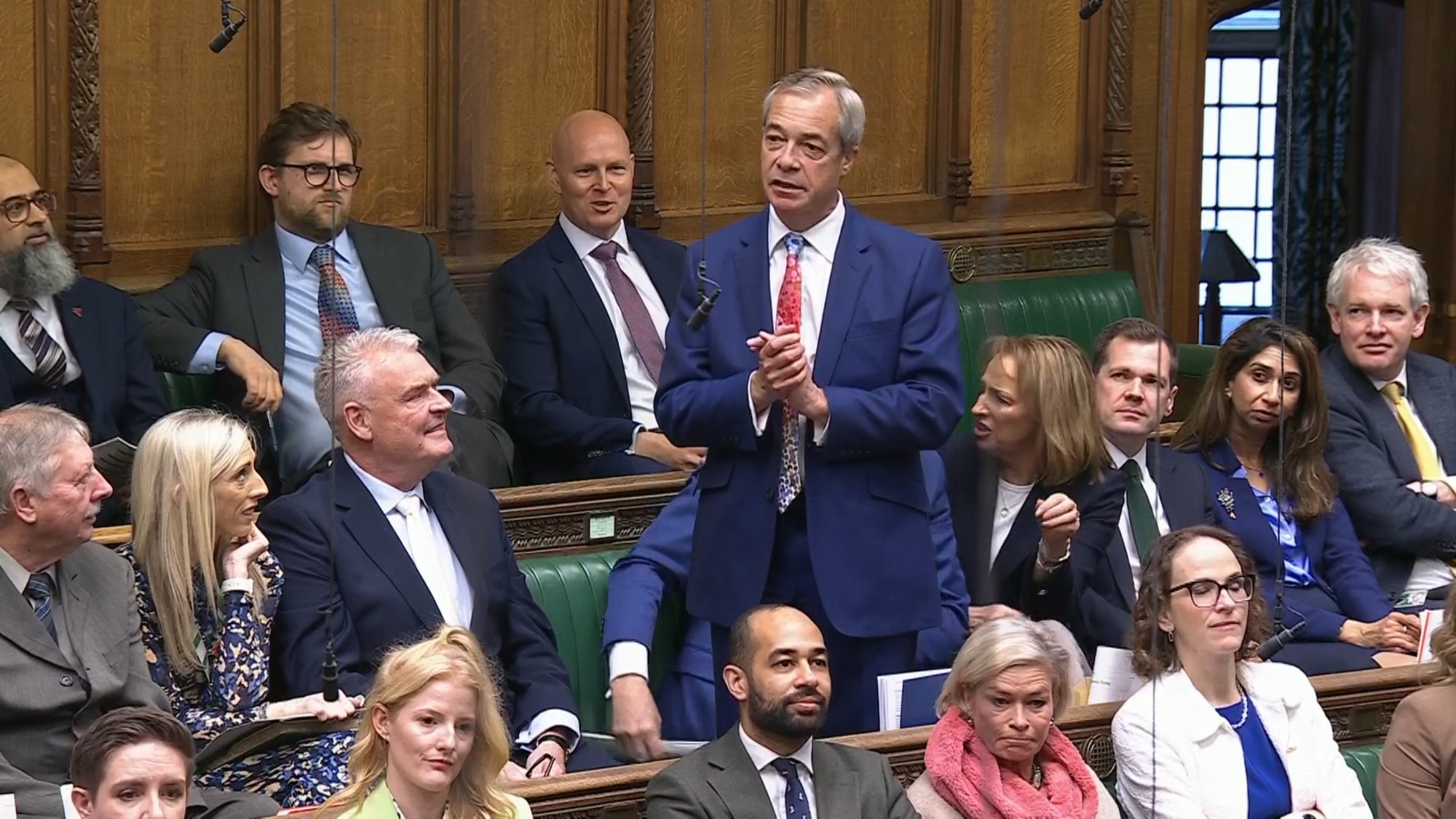
Or as Conservative Leader Kemi Badenoch told the Chancellor in the Commons: “The Prime Minister came in promising to reverse 40 years of neoliberalism. Instead, we got 4p off gherkins.”
The big issues were kicked along the road for another day. Take welfare reform. The Office for Budget Responsibility forecast that the UK's welfare bill is now expected to climb to an eye-watering £431.3bn by 2031/32.
But ministers will not take any serious legislative action to tackle this bill until next year - after two reviews are published.
Or legal net immigration. The Treasury's official forecaster said that it will rise from 120,000 this year to 230,000 by the middle of 2031. That's the best part of another million people moving to this country over the next five years.
On defence, there was a commitment about how the UK will get to be spending three per cent of GDP on defence by 2030 and 3.5 per cent by 2035 - but no further detail on how we get there.
And on the economy, the OBR warned that economic growth was downgraded to a barely-there 1 per cent next year before it ticks up again, while real household disposable income is likely to "fall slightly in the near term".
Added to that is the severe spending cuts he has to push through in Whitehall in order to meet his fiscal targets it is little wonder that in the hours after the Budget, Mr Burnham chose to rule out a general election for a full year.
At some point Mr Burnham and Mr Healey will have to grip these big issues facing our country, perhaps by seeking a mandate at a general election. But not - it seems - just yet.
Our Standards: The GB News Editorial Charter