




Labour accused of 'throwing good money after bad' with £1.35bn fuel duty extension

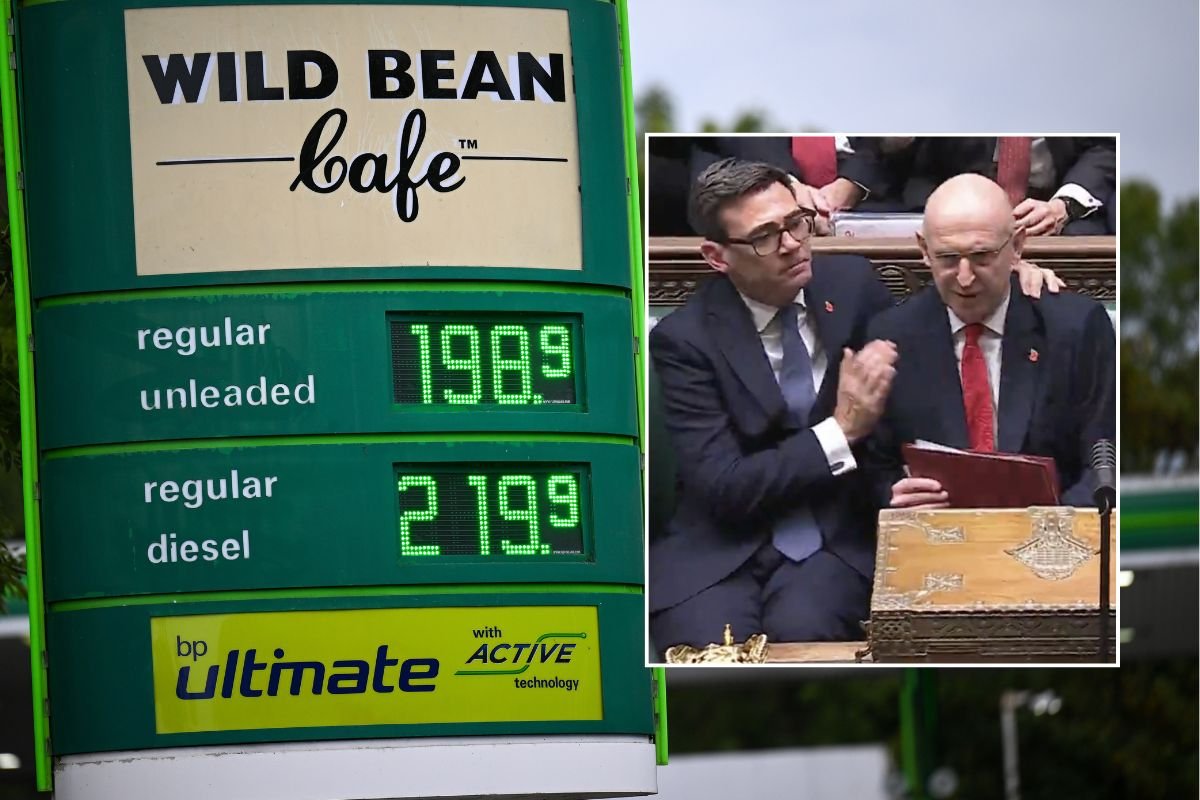
Experts have criticised the Government for extending the fuel duty freeze, while overlooking the needs of electric vehicle owners.

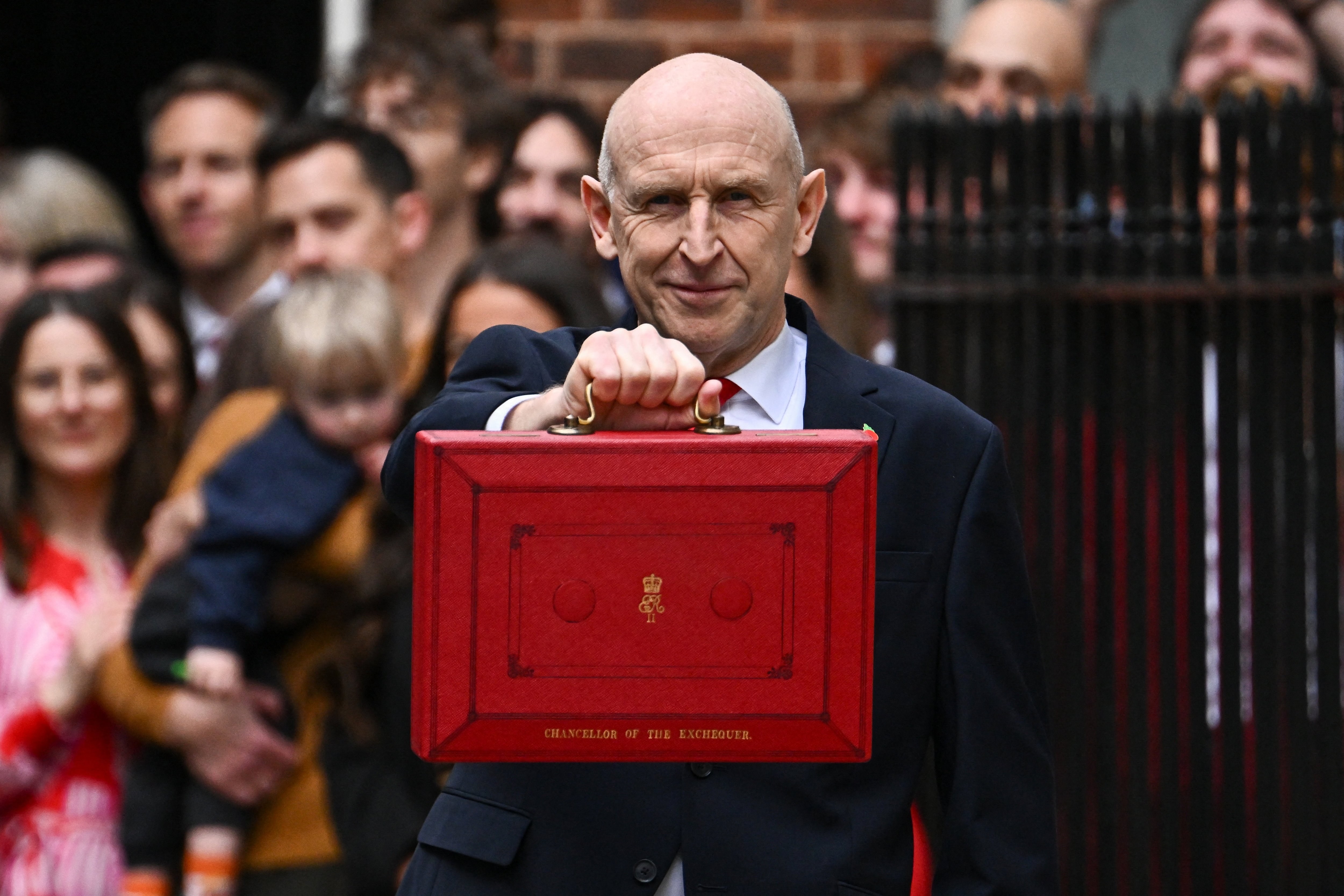
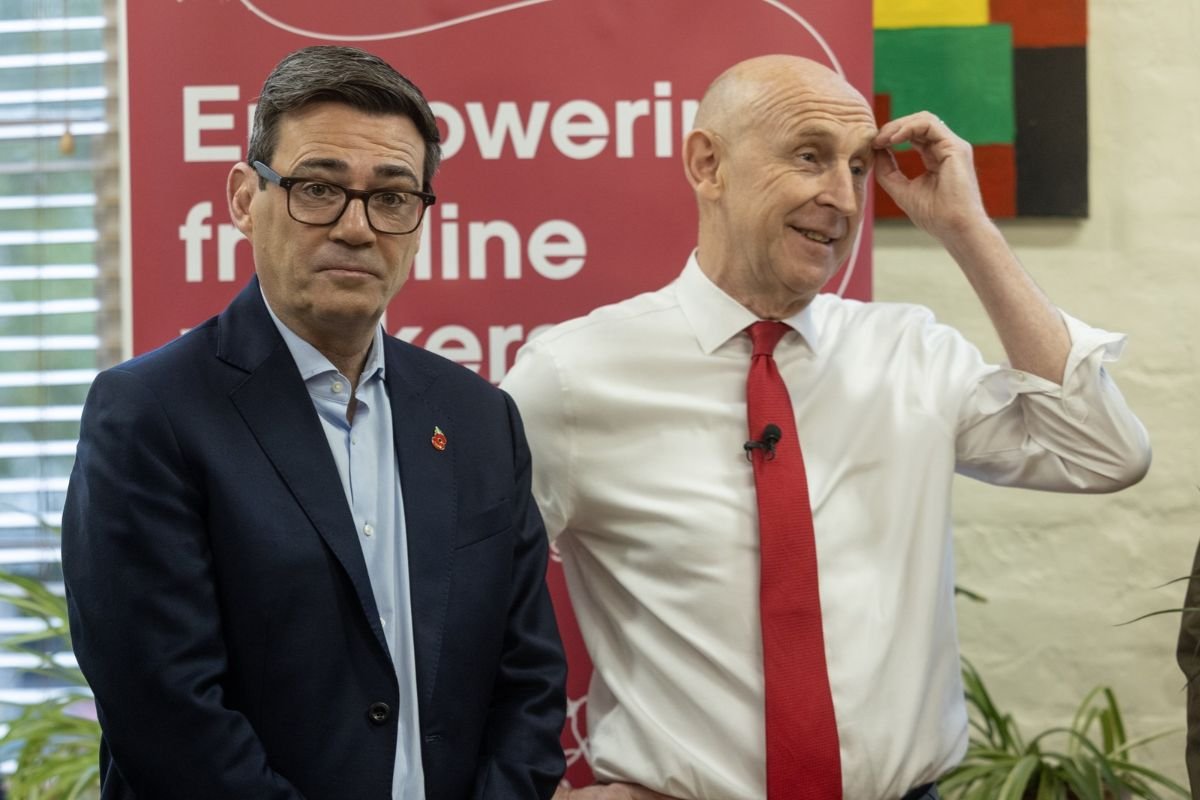
Chancellor John Healey unveiled the first Budget under Prime Minister Andy Burnham yesterday, with a focus on "everyday fixes" for millions of Britons.
One of the key changes introduced was the extension of the fuel duty freeze until July 2027 following months of surging petrol and diesel prices.
Diesel prices in particular have soared, reaching the highest-ever level at the start of October at an average of 200.11p per litre.
The extension of the fuel duty relief is expected to cost the Exchequer £1.35billion across 2026/27 and 2027/28.
In comparison, just £100million was earmarked over the next two years to reduce costs for local, lower-powered public chargers.
This investment followed the publication of the Cost of Charging Review, which highlighted financial difficulties faced by drivers when charging in public.
Analysis from New AutoMotive shows that for every £1 the Government spends on electric car charging, more than £13 will go to keep petrol and diesel cheaper.

Commenting on the data, Tanya Sinclair, CEO of Electric Vehicles UK, said: "The Chancellor is throwing good money after bad.
"Instead of investing in a future where drivers are less exposed to volatile oil prices, he's spending billions cushioning the cost of staying dependent on them.
"Nobody wants motorists paying more at the pump, but there is a difference between protecting drivers today and helping them escape high fuel costs tomorrow."
She also lamented the Government's decision not to cut the rate of VAT on public chargers, which will remain at 20 per cent.
LATEST DEVELOPMENTS
- Driving law changes you missed in October - New licence restrictions, MOT test rules and more
- Drivers face new car tax hikes, HMRC rules and fuel duty updates after Labour's Budget
- Budget car tax omission could have seen drivers slapped with enormous costs

This is despite Labour slashing VAT rates on domestic electricity until July 2027, as confirmed in the Budget.
While the Budget did point towards the creation of a taskforce to "o explore allowing drivers to use their domestic electricity tariff at local, lower-powered public charge points", campaigners say the Government should go further.
Oliver Brighton, CFO of char.gy, stated: "The Chancellor has found room to extend tax relief for petrol and diesel drivers, but not to fix the unfair tax treatment of public EV charging.
"Why should where you park determine how much tax you pay? The Government has acknowledged the problem, but today's Budget leaves that fundamental unfairness untouched."

Similarly, Ginny Buckley, chief executive of Electrifying.com, the electric car buying and advice site, questioned the Prime Minister about the fairness of the policies introduced in the Budget.
Millions of petrol and diesel drivers will be switching to electric vehicles in the coming years, but may be put off from switching sooner, especially if they don't have reliable access to EV charging soon.
Ms Buckley said: "Imagine paying more tax on electricity simply because you don’t have a driveway. That's effectively what millions of EV drivers are being asked to accept.
"We should be making electric cars an easy choice for ordinary families. Instead, we've got a confusing patchwork of promises, with the biggest savings still reserved for people who can plug in at home."
Our Standards: The GB News Editorial Charter