




David Cameron leads calls for breakthrough dementia drugs to be rolled out on NHS

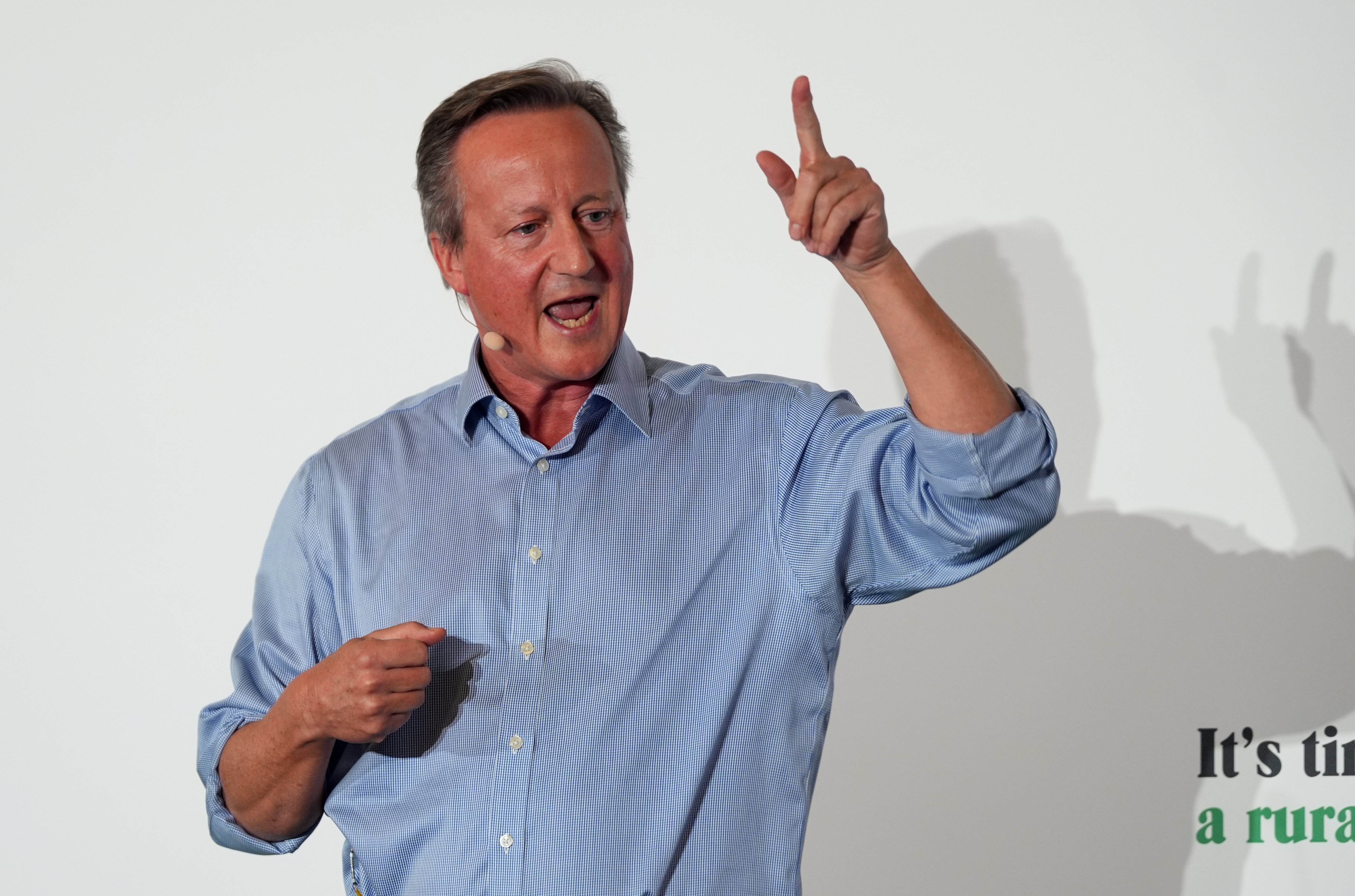
Former Prime Minister David Cameron is leading the charge for a new type of dementia drug to be rolled out on the NHS.

Backed by almost 50 specialists and ex-health ministers, the Tory peer has called for the block on providing the life-changing treatment to those suffering from Britain's biggest killer.
The UK was the first nation in Europe to greenlight the breakthrough drug, designed to slow cognitive decline, but the medication is only available through private healthcare.
Now, Lord Cameron has teamed up with 48 experts in the field, all of whom are also calling for a maximum 18-week diagnosis wait, The Telegraph revealed.
"As Prime Minister, I was proud to launch the National Dementia Challenge, doubling the amount of investment into research for dementia treatments and kick-starting the fightback against this terrible disease that destroys so many lives,” he told The Telegraph.
Lord Cameron, the President of Alzheimer's Research UK, has been a staunch campaigner for supporting those afflicted with the disease for years.
After he lost his mother to dementia in 2025, the former Prime Minister said effective drugs which were not yet approved should be unleashed to support those with dementia.
He added: "More than a decade on, huge progress has been made, meaning we now have treatments available that can slow the progression of Alzheimer’s disease.

"However, we urgently need to find ways to unlock access to these dementia drugs, and others on the way, so people can benefit from the amazing progress that is being made and from new innovations on the horizon.”
In October, Andy Burnham threw his weight behind a new clinical trial, called Ad-Smart (Alzheimer’s disease Systematic Multi-arm Adaptive Randomised Trial) to look into treatments for Alzheimer's.
The Prime Minister has often spoken out about how dementia has impacted his own life ever since his father, Roy, was diagnosed with the chronic condition and died in September.
A band of experts from Imperial College London, UCL, Oxford University and Dementias Platform UK would be leading the ground-breaking research that could change people's lives.
LATEST HEALTH NEWS:
- Alastair Stewart makes heart-wrenching admission as newscasting veteran reveals 'cold reality' of dementia diagnosis
- Nobel Prize awarded for groundbreaking research into brain cells
- One in four NHS beds could be taken by dementia patients within 15 years, report warns

At the time, Mr Burnham said he was proud to back the experimental research so that "cutting-edge" treatments could be made available.
He said: "I know how it feels to lose a loved one to dementia and have seen first-hand the devastating impact this illness has on families.
"That’s why I’m proud to see this trial being launched in the UK, so that cutting-edge treatments can reach patients here as soon as possible.
"I have made dementia research a national priority. I want Britain to be the leading nation, making the breakthroughs that change people’s lives."
Now, after Lord Cameron's call, the decision will be down to the National Institute for Health and Care Excellence (Nice), which is responsible for giving the greenlight on treatments for routine NHS use.
While current treatments like lecanemab and donanemab - both of which were only available in clinical trials - have advanced the development of drugs in the field, other medication remains much cheaper and far more accessible.
Experts have already researched the risks, while more is unknown about the future of Alzheimer's treatment, the disease which impacts around 600,000 Britons.
A Department of Health and Social Care spokesman said: “Decisions on whether to approve treatments for routine use by the NHS are taken independently by the National Institute for Health and Care Excellence, based on an evidence-based assessment of the costs and benefits, and they are currently evaluating these two treatments for Alzheimer’s disease.
"Alzheimer’s is a devastating disease, and we are taking action to tackle it through improved research, care and treatment. We recently announced the investment of £33 million through the Dame Barbara Windsor Dementia Goals programme to increase the recruitment of people into clinical studies for new dementia treatments, speeding up clinical trials and bringing promising new drugs to patients at a quicker pace.
"We are also developing the first ever Modern Service Framework for Frailty and Dementia to deliver rapid and significant improvements in quality of care and appointing a National Dementia Tsar to drive further progress in this area.
"But we know there is more to do, so we are also bringing forward the timetable for Baroness Casey's commission on reform of the social care system, with support for dementia as one of the central priorities for the new National Care Service, which will drive up standards of care across the country."
Our Standards: The GB News Editorial Charter