




Canada drops 'laughable' plan to become member of the European Union

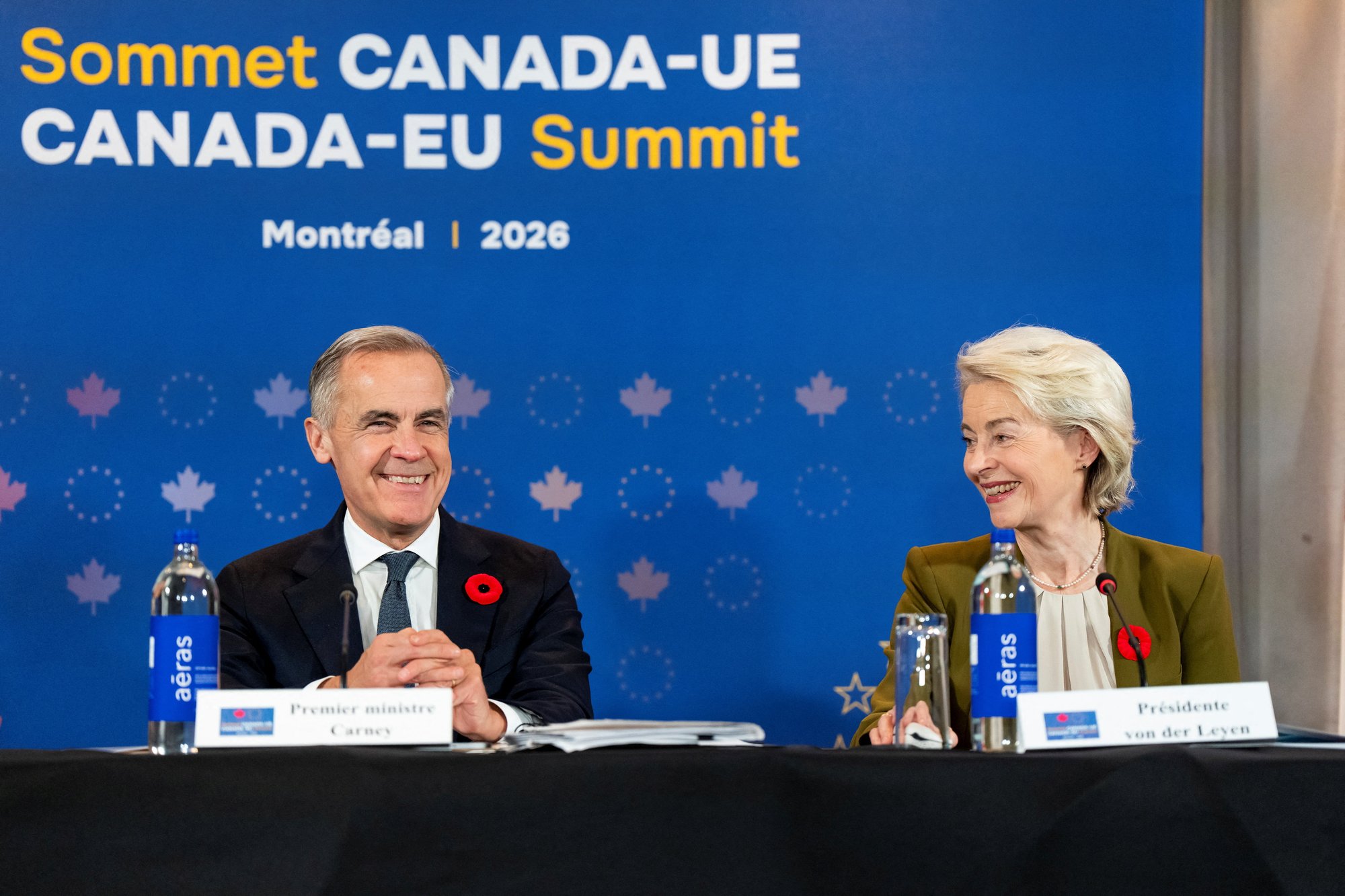
The European Union and Canada have abandoned the controversial "associate member" label from their joint summit declaration.

Brussels and Ottawa have instead opted for the vaguer promise of an "ever closer association" between the two sides, after President Donald Trump described the agreement as "laughable".
The watered-down language emerged from the EU-Canada summit in Montreal, which concluded yesterday, after internal disagreements among EU member states forced a significant retreat from the original proposal.
A draft of the communiqué committed both parties to "work to define by the 2027 EU-Canada Summit the concept of an ever closer association of Canada to the EU, short of full membership itself."
An earlier version of the statement had contained at least two explicit references to Canada as an "associate member."
On top of this, President Trump had warned he might interpret the move as a "hostile act" and could halt American trade with Europe "on many things."
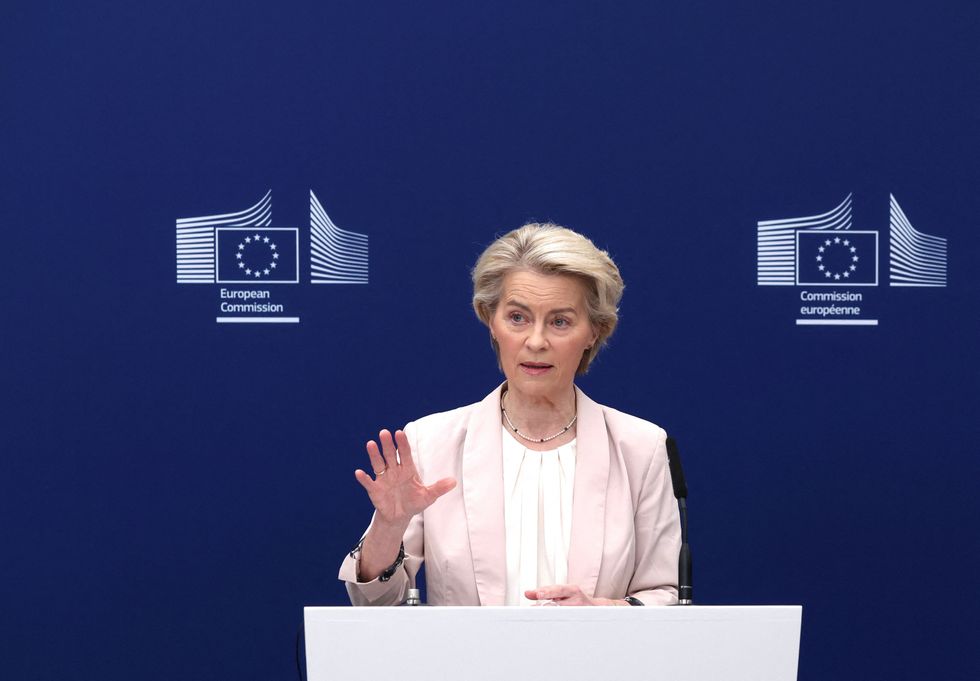
The idea originated six weeks ago when European Commission President Ursula von der Leyen used her state of the union address to float the possibility of Canada becoming the EU's first associate member.
Her announcement blindsided nearly all EU capitals, as the concept carries no legal definition under existing EU treaties, leaving diplomats uncertain about fundamental questions, such as whether Canada might gain access to the European Council, legislative bodies or decision-making processes.

Germany led the resistance to the proposals, with Chancellor Friedrich Merz among those pushing to strip the terminology from the draft declaration.
Berlin said "associate membership" should be kept in reserve as a transitional arrangement for prospective candidate nations such as Ukraine or Montenegro.
At a gathering of EU ambassadors on Monday, multiple member states voiced alarm at the scale of the offer, though they agreed to find a diplomatic route to withdrawing it without humiliating Ms Von der Leyen.
Italy reportedly proposed retaining the phrase "associate membership as proposed by the Commission," with national governments to hammer out its precise meaning later.
LATEST DEVELOPMENTS
- Andy Burnham gags Cabinet on rejoin EU plot as Labour braces for Brexit civil war
- Britain could sign up to EU freedom of movement after general election, John Healey admits
- Andy Burnham set to burden John Healey with extra EU costs as Brussels summit risks breaking Budget

One diplomat said: "Nobody was consulted about associate membership apart from [Von der Leyen's] closest staff, it would seem."
Despite the term being deliberately excluded from the declaration, Ms Von der Leyen continued to use "associate member" language during her summit speech on Thursday, telling delegates: "Our idea is simple: it is an association without accession.
"We can build a partnership that comes closer to membership than anything we have done before."
Three EU diplomats said they were taken aback that she persisted with the divisive phrase.
Canadian Prime Minister Mark Carney brushed aside the semantic shift. "This new alliance is not a marketing exercise. The name doesn't matter," he told reporters.
Beyond the naming dispute, the joint declaration set out a range of concrete cooperative measures.
These include a feasibility study into Canadian liquefied natural gas exports to Europe and a joint initiative to improve transatlantic and trans-Pacific connectivity through new subsea cable infrastructure.
The statement also proposes enabling young Canadians and Europeans to live and work on opposite sides of the Atlantic.

European Council President Antonio Costa described the associate membership concept as "audacious" but said he shared Ms Von der Leyen's ambition.
Ms Von der Leyen additionally called for strengthened EU-Canada collaboration on Arctic security, citing Russia's expanding military presence in the region.
"When we see Russia rebuilding its Arctic military footprint, pursuing hybrid strategies against its neighbours and reshaping the security of the Arctic, it impacts the European Union and Canada," she said.
Our Standards: The GB News Editorial Charter