




Britons rush to stockpile tinned food and bottled water after Labour accused of sparking 'panic'

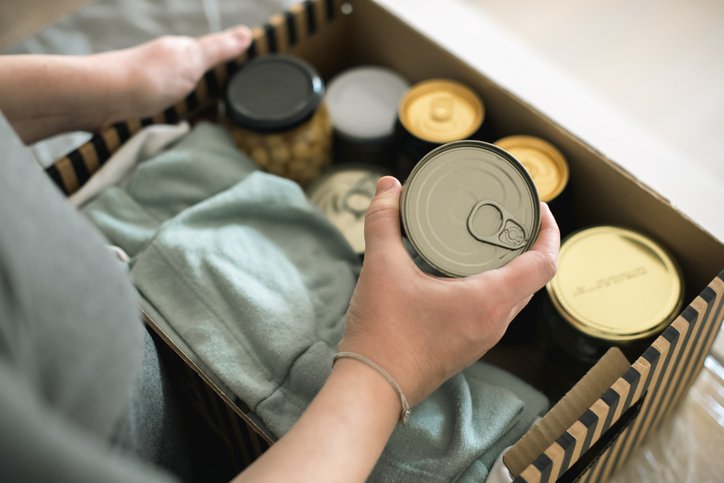
Sales of tinned food and bottled water soared after Labour's "Be Ready" preparedness campaign after accusations of sparking a panic.

New research revealed that hand sanitiser sales shot up 83 per cent.
Bottled water sales rose by 67 per cent, while sales of tinned and jarred goods surged by 37 per cent, according to research conducted by Worldpanel by Numerator.
Wes Streeting, the Defence Secretary who introduced the campaign, has previously said he did not want Britons to be panicked by the announcement.
In October, he was accused of "scaremongering" by an audience member on BBC's Question Time.
He said: "We did have this debate though, just to reassure...because we want people to be alert but not alarmed, and the truth is we looked around the rest of Europe, ‘what are our friends doing across the continent?’.
"They are way ahead of us on some of this stuff."
Britons are now urged to keep three days' worth of food and water in their homes in the campaign.

Torches, blankets, sleeping bags, cash and medical equipment are also advised to be kept on hand.
Electronics goods store Maplin previously said its entire stock of wind-up radios was depleted after the Government issued its warning.
Similar sales surges were seen at Currys, John Lewis, Screwfix, Tesco, Debenhams and The Range.
Immediately after the campaign launch, an extra 400,000 people per day bought tinned meat, Worldpanel said.
LATEST DEVELOPMENTS
- Labour presses ahead with £350million undersea cable as Net Zero costs mount
- Government must go 'further and faster' to prepare for war within 1,000 days, peers warn
- Andy Burnham vows to splash cash on Armed Forces 'to keep Britain safe' in Remembrance tribute

But the typical amount remained at 500 grams, which suggests a gradual stockpile, researchers said.
Fraser McKevitt, head of retail and consumer insight at the firm, told the BBC: "Shoppers clearly took notice of the 'Be Ready' campaign, but this wasn't panic buying, with less than a third of households buying bottled water in October.
"Growth came from more people adding the recommended items on the government's checklist to their weekly shop, not from shoppers piling their trolleys high, which is very much in line with what the government wanted households to do."
Non-perishable goods sales rose from £58.2million in the 10 days to November 2, 2025 to £79.5million over the same period in 2026.
Bottled water sales surged from £13.6million to £22.8million compared with a year earlier, and hand sanitiser sales nearly doubled from £497,000 to £908,000.
Food firm Princes said demand for tinned tuna, meat and vegetables had also hiked since the Government campaign.
Some experts have said the Government should take direct responsibility for food stockpiling.
More than 180 experts, academics, farmers and community food leaders signed an open letter warning that 29 per cent of Britons could not afford to keep their own three-day food stockpiles.
"Place responsibility for food storage on national, regional, local and community storage schemes, not only on the public," the letter urges the Government.
Our Standards: The GB News Editorial Charter