



British farmers fear Donald Trump's 'one-way traffic' beef deal will favour US producers over UK industry

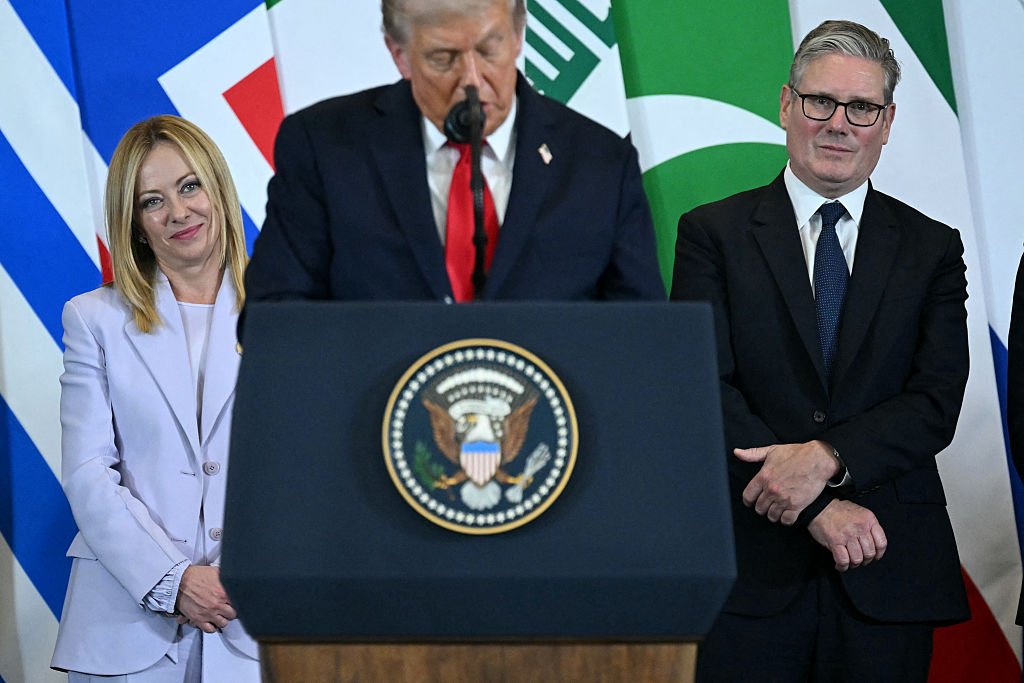
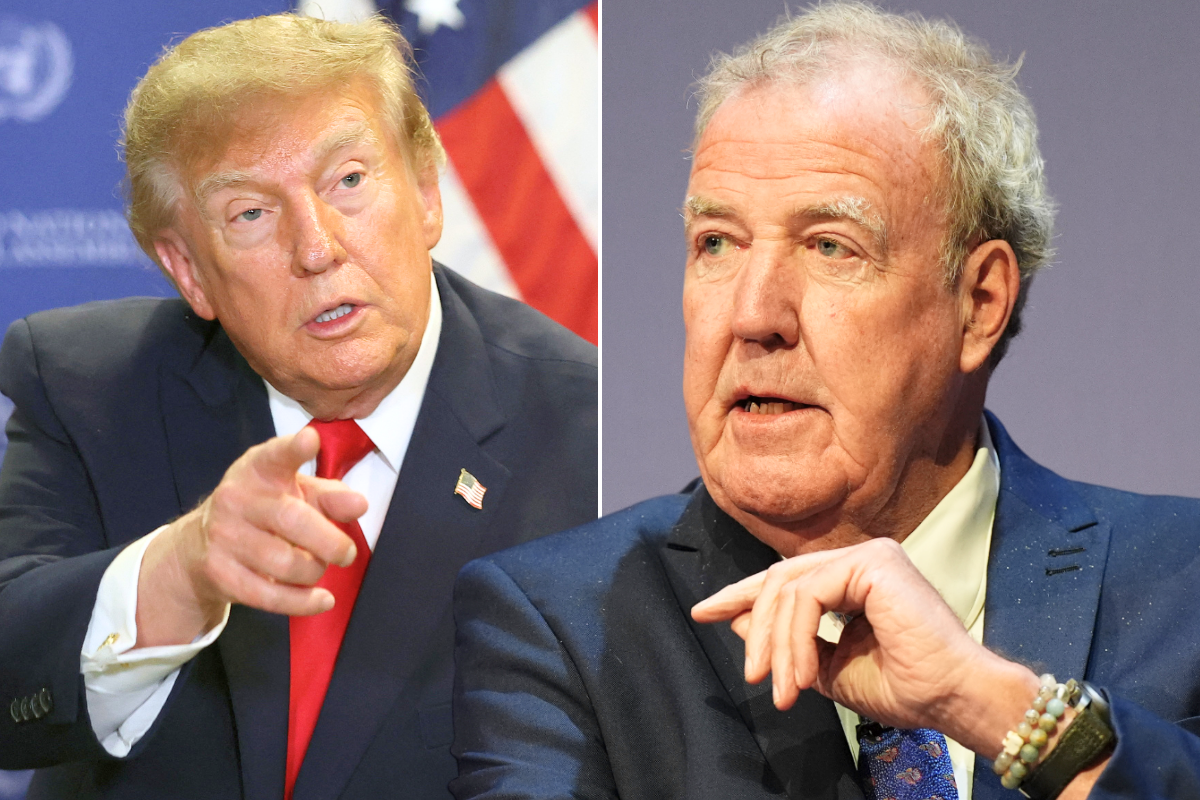
A new transatlantic beef agreement approved by Donald Trump has divided British farmers amid warnings the deal could overwhelmingly favour American producers over the UK industry.

The arrangement establishes a quota allowing 13,000 tonnes of beef to be traded between Britain and the United States.
American trade groups have described the agreement as mutually beneficial, insisting British farmers will gain the same opportunities as their US counterparts.
The National Farmers’ Union (NFU) has backed the deal and said it could generate up to £70million annually for British beef producers.
The organisation argued the agreement represents the only realistic route towards securing preferential access to the American market.
However, some farmers have questioned whether British producers will genuinely benefit, given the scale of the US beef sector and strong domestic consumer loyalty towards American-reared meat.
Joe Seels, a fifth-generation beef farmer from Yorkshire who raises Aberdeen Angus cattle, said he believed the trade flow was far more likely to favour the United States.
Mr Seels told The Mail on Sunday: "Their cost of production is lower than ours, so it's much more likely to be one-way traffic."
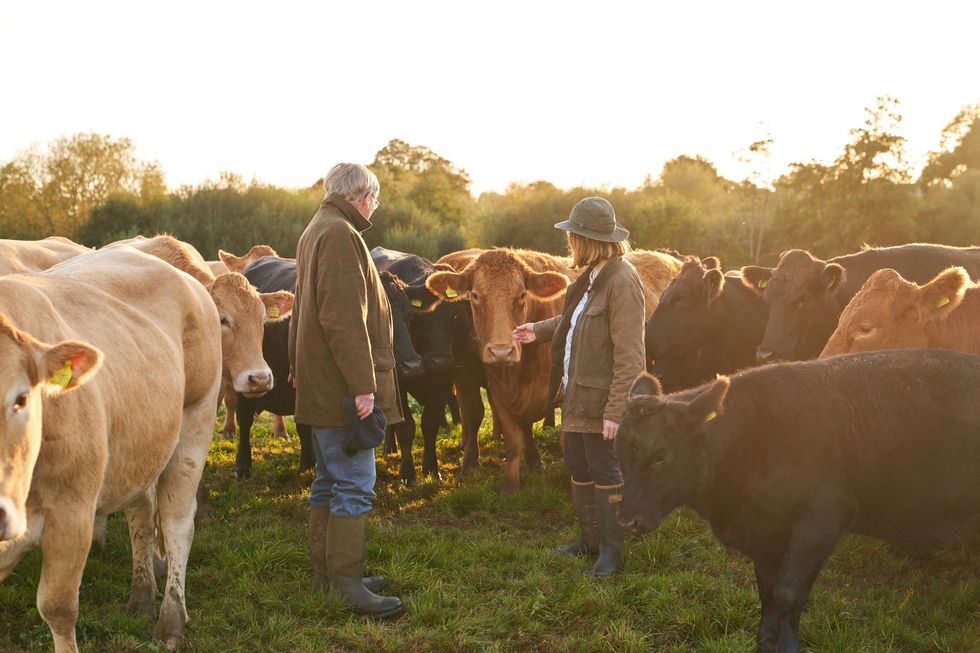
He said significant investment was already directed towards encouraging American consumers to buy domestically produced beef, creating a major challenge for British exporters attempting to gain market share.
Mr Seels said the UK faced an uphill battle in the American market, arguing that "a lot of money and effort is thrown at the US consumer to promote home‑grown beef".
"I don’t see us being able to compete," he added.
The Yorkshire farmer suggested Britain should instead focus on trade deals with countries that favour different cuts of meat, rather than going head‑to‑head with American producers for the same products.
LATEST DEVELOPMENTS:
- Major British high street chain faces bailiff threat over unpaid taxes with 'job losses anticipated'
- How one family business was crowned the UK's number one small business by George Clooney
- British glass industry warns 120,000 jobs at risk over Ed Miliband's Net Zero levies
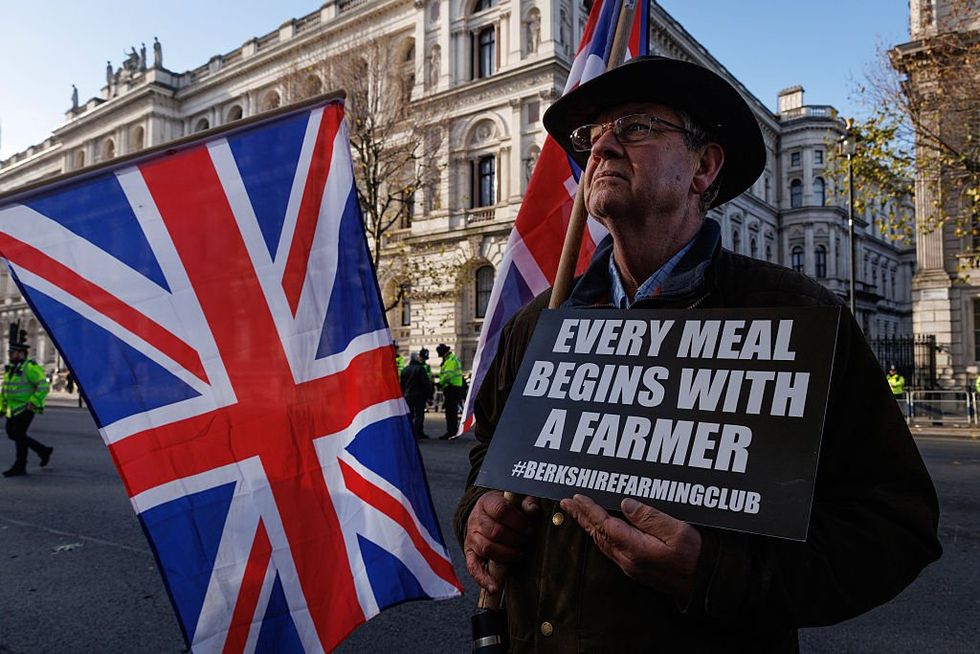
Esther Rudge, a farmer from Herefordshire, shared similar concerns and questioned how much British producers would ultimately gain from the agreement.
She said consumers in both Britain and the United States tended to favour domestic agriculture, making it difficult for UK farmers to gain a foothold in the much larger US market.
"In the service industry, it’s very hard to know where meat comes from," she said, calling for clearer labelling so shoppers can make informed choices.
She warned restaurants and retailers could begin using imported American beef without customers fully understanding its origin.
Mrs Rudge rejected any suggestion that British beef was inferior, saying: "There are a lot of UK herds that produce marbled meat."
Despite the concerns raised by individual farmers, NFU Livestock Board chairman David Barton said the agreement marked a major opportunity for the sector. He said the deal had "opened the door for great British beef to reach US consumers".
He added: "Both markets are seeing a shortness of supply, and need confidence to increase herd numbers to meet growing demand."
American exporters are aiming to rapidly increase sales into Britain under the agreement.
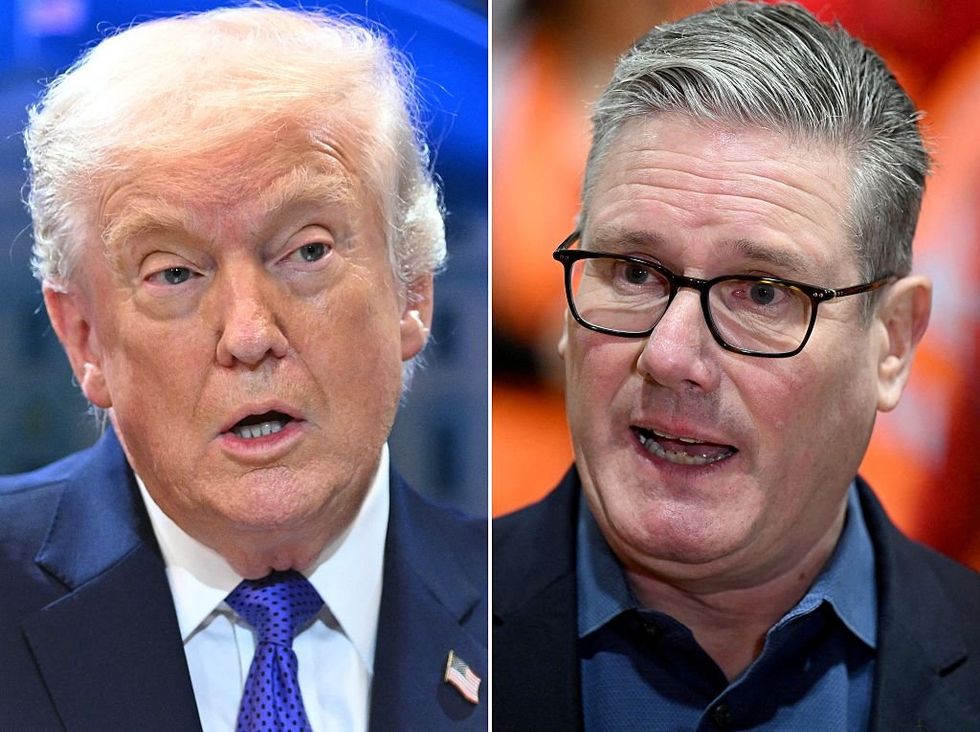
American trade representatives have also attempted to reassure British consumers that all beef exported to the UK will comply fully with British food safety standards.They insisted products shipped to Britain would not come from hormone-treated cattle, which remain banned under UK regulations.US exporters are expected to focus on premium restaurants and retailers as part of their expansion plans, including wholesale giant Costco.
Our Standards: The GB News Editorial Charter