




Angela Rayner says voters will have final say on whether key Brexit promise will be scrapped

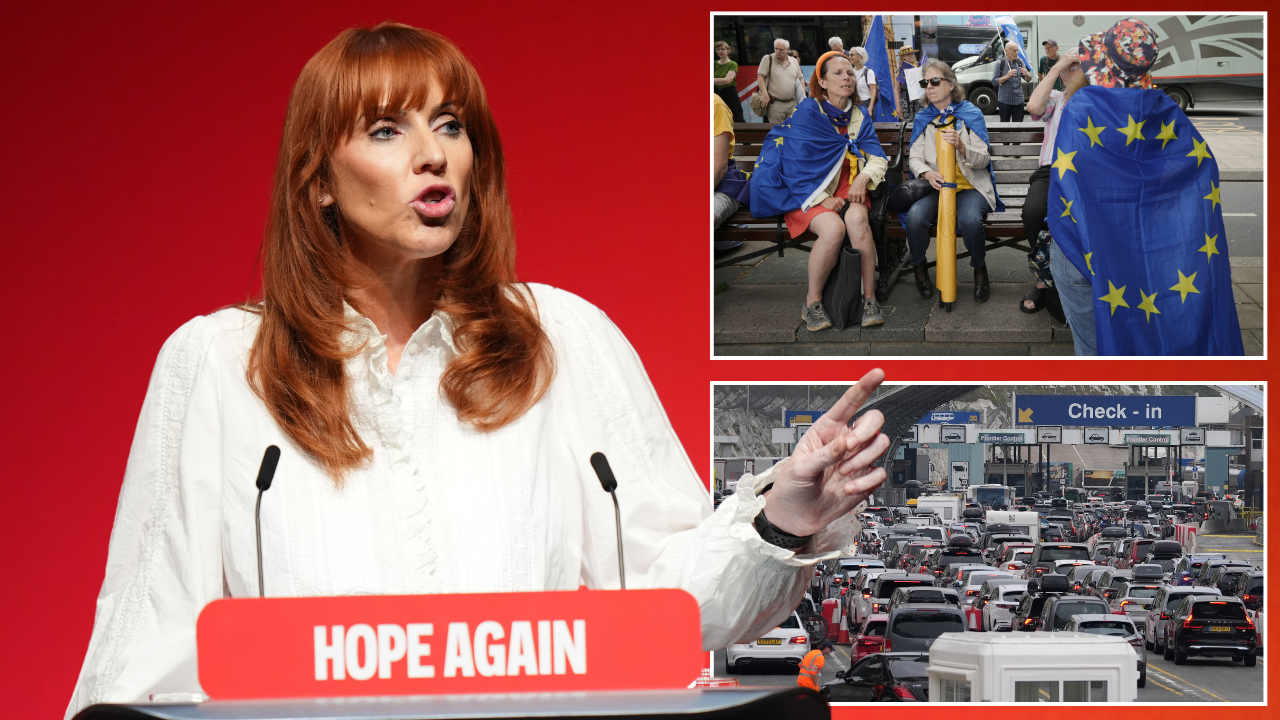
A return to EU-style freedom of movement would have to be ratified by voters, Angela Rayner has said.

The Housing Secretary echoed Prime Minister Andy Burnham in saying the Government wants a “conversation” with the public about closer relations with the EU.
She told the BBC that free movement with the bloc should not be “off the table”.
Ms Rayner’s remarks indicate such a proposal could be included in Labour’s next manifesto.
Mr Burnham called for an “honest discussion” about the prospect of reintroducing the EU’s free movement rules in Britain.
He told The Sunday Times: “I think you have to have a very factual, quite evidence-based debate about this.”
Free movement gives every EU citizen the freedom to move to the UK and vice versa.
It was a key pillar of the Leave campaign’s success in 2016.

Labour ruled out bringing it back in its 2024 election manifesto, while also dismissing any suggestion that it would seek membership of the EU’s single market or customs union.
Ms Rayner’s remarks suggest free movement could be “put to the people” at the next election.
The BBC’s Laura Kuenssberg asked on Sunday whether she wanted Britain to return to freedom of movement, to which she responded: “I want to see the best deal for the people of my constituency and for Britain.
“We haven’t got the best deal at the moment because we’ve seen exports reduce by 20 per cent, we’ve seen the red tape and the friction that has meant that a lot of our businesses are not able to trade in the way that they would like with our biggest trading partners.
LATEST DEVELOPMENTS
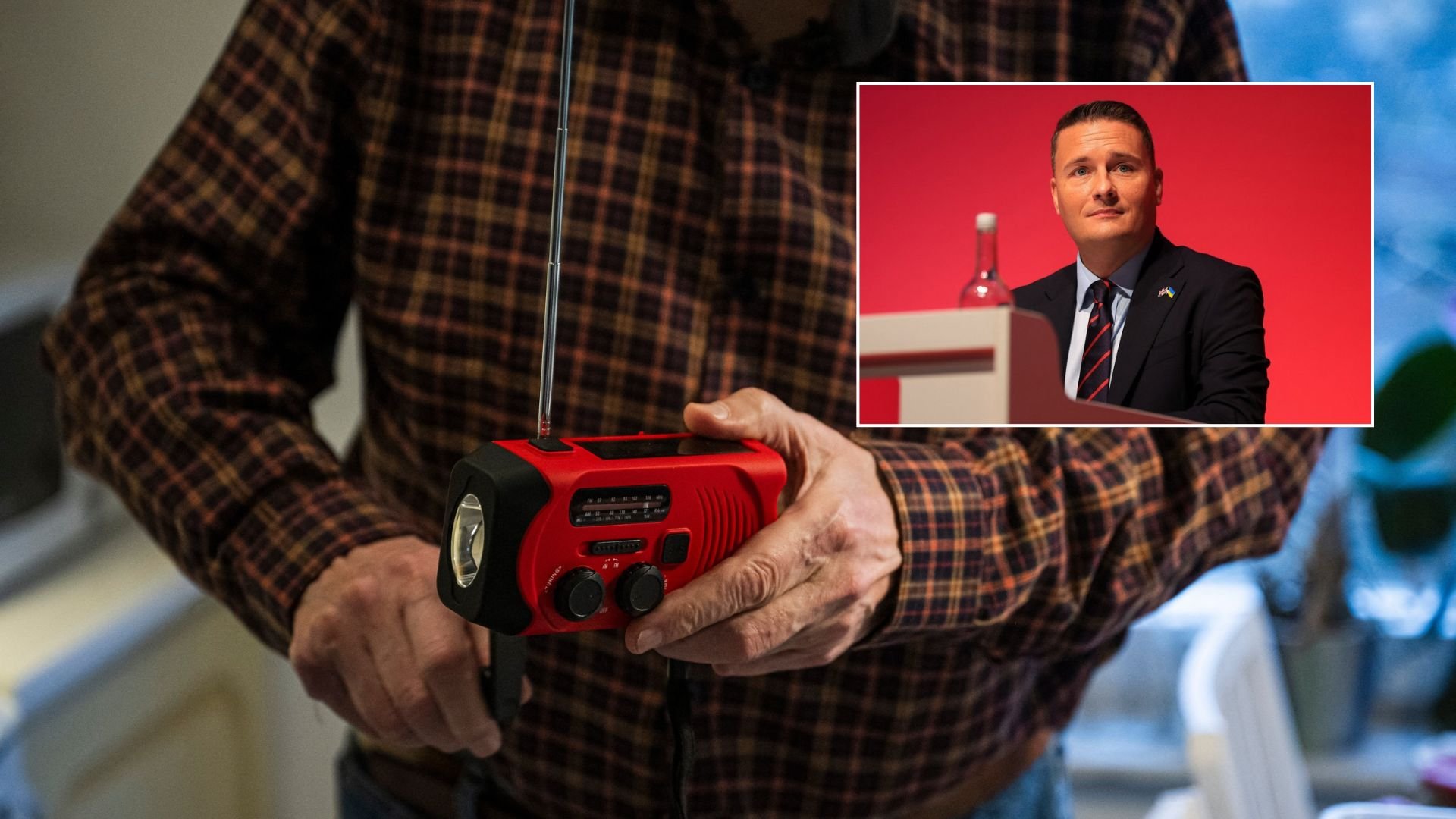
- Britons flock to buy wind-up radios less than 24 hours after Labour stockpiling warning
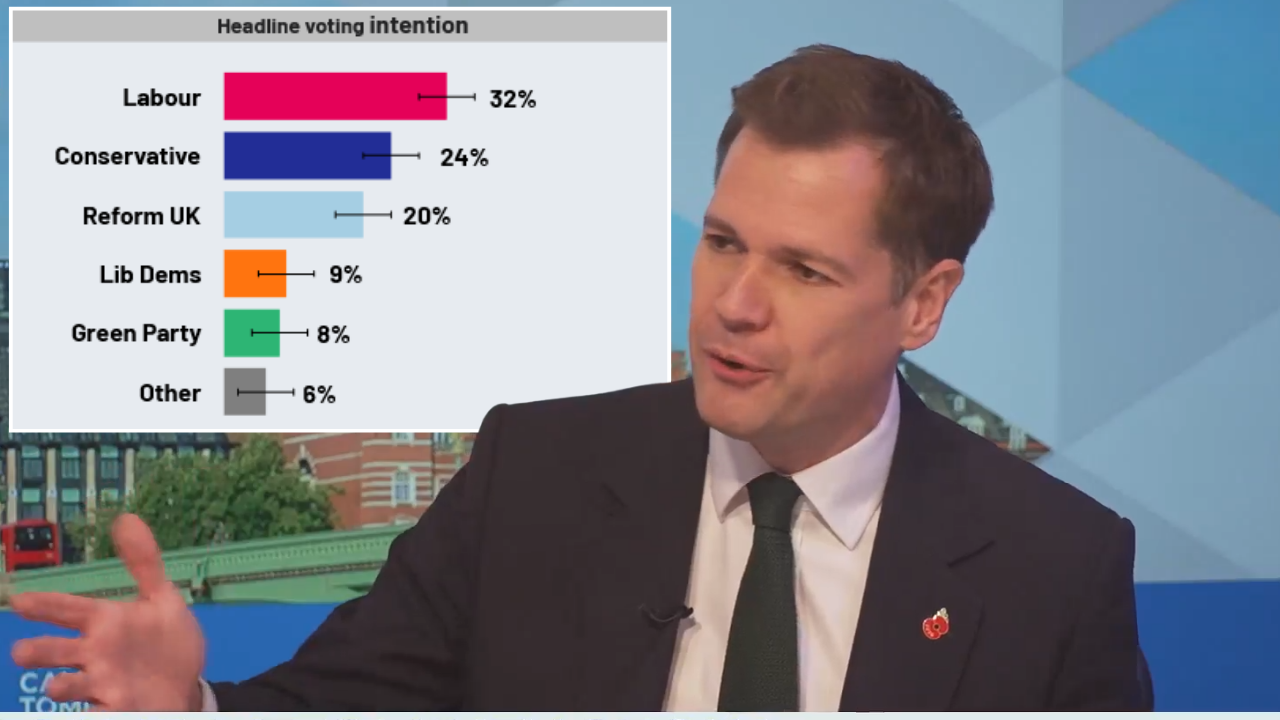
- Robert Jenrick reacts on GB News as shock poll sees Reform slip to third
- Labour surges to eight-point lead in bombshell poll as John Healey prepares to unveil new tax raids

“So I would like to have an honest conversation about what the trade-offs could be, and then put that to the people at a general election.”
She added: “The Prime Minister is clear that you can’t take anything off the table when you’re having a conversation.
“But the Prime Minister is not saying we’re going back to where we were in 2016. He’s saying he wants to be pragmatic to get the best deal for Britain, and he wants to have the conversation.”
Reform UK Treasury spokesman Robert Jenrick told GB News that opening the door to millions of EU citizens would have a catastrophic impact on Britain’s infrastructure.
He told Andrew Pierce: “The UK is full. We clearly have no capacity to take these people. The economics of this have been proven to be a disaster for working people.
“It depresses wages. We have nearly a million young people not in work or training right now. Why don’t we get those people into the workplace and not just import people from overseas?
“If you’ve got working people finding things difficult at the moment, they don’t want people from Romania to come in and take those jobs, they want to be paid a bit more.

“We want to back British workers.”
The Prime Minister’s recent flirtations with the EU have drawn heavy criticism from across the political divide.
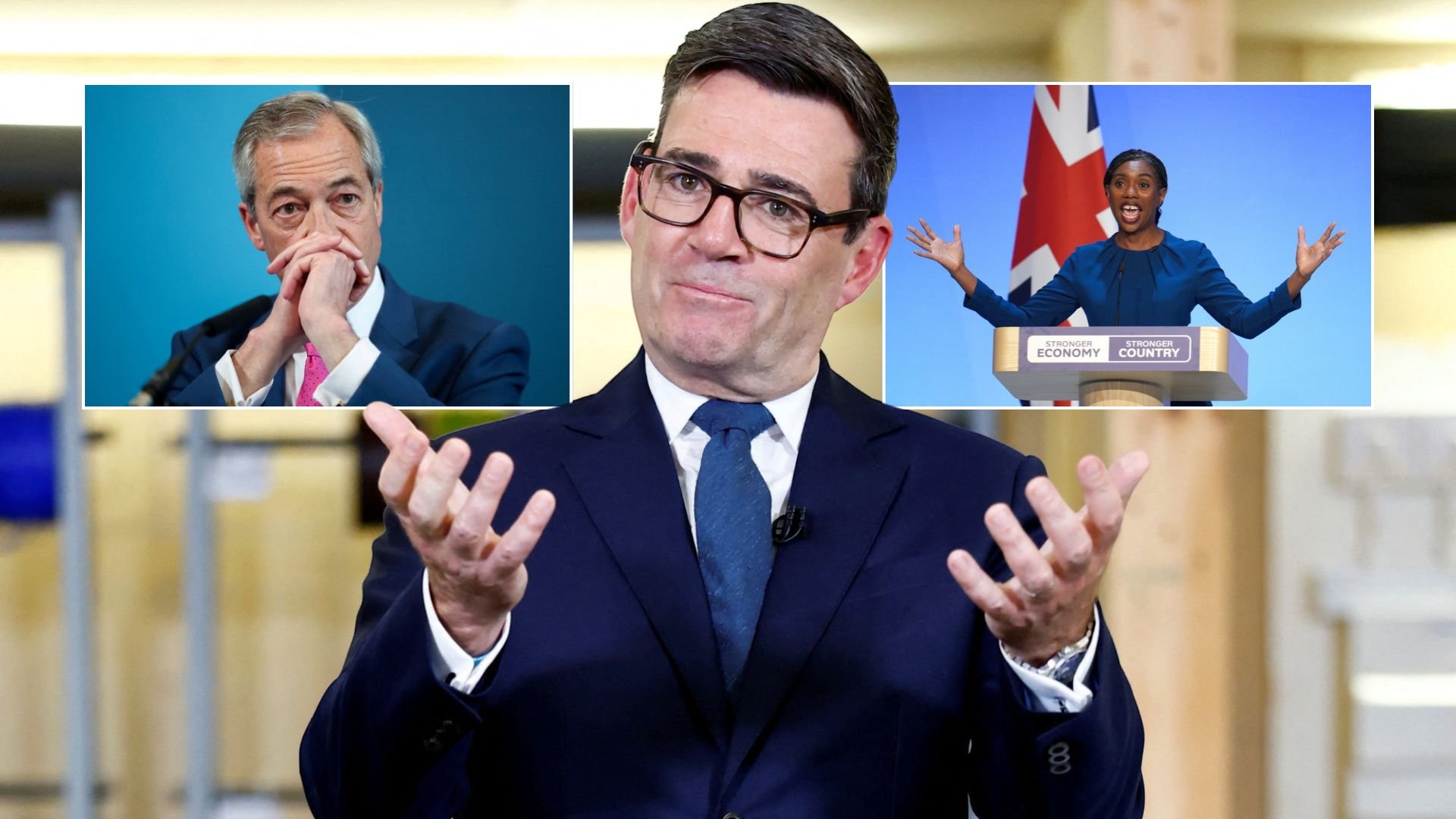
Reform UK leader Nigel Farage branded the proposal a “total betrayal of Brexit”, adding: “He [Mr Burnham] is also deluded to say immigration was different when we were members of the EU. We will fight this dishonesty.”
Mr Burnham has previously committed to Labour’s 2024 election manifesto and said any changes would require a mandate at a general election, which is due by 2029.
Earlier this month, Labour hinted it might be drawing up plans for an early general election as it rushed to abolish photo ID checks at polling stations.
The Prime Minister said last month that he wanted to “draw a line” under recent political divisions and avoid calling a general election.
But as he gets his feet further under the table at Downing Street, some have suggested that Mr Burnham might want to free himself from the constraints of a manifesto he did not write.
The Telegraph reported that Labour was “ramming through” reforms that would allow voters to use bank cards without photographs instead of valid photo ID at polling stations.
Ministers confirmed that the bank cards would only need to show the holder’s initials, not their full name, and would not even need to display the owner’s gender.
Wes Streeting told Camilla Tominey a few weeks ago that the move formed part of Labour’s plans to “make our elections fairer”.
He told Ms Tominey that ministers were seeking to establish whether voter photo ID rules had led to the “unintended consequences of legitimate voters being disenfranchised”.
Our Standards: The GB News Editorial Charter