



Andy Burnham hints at tax rises under Labour plan to fund adult social care

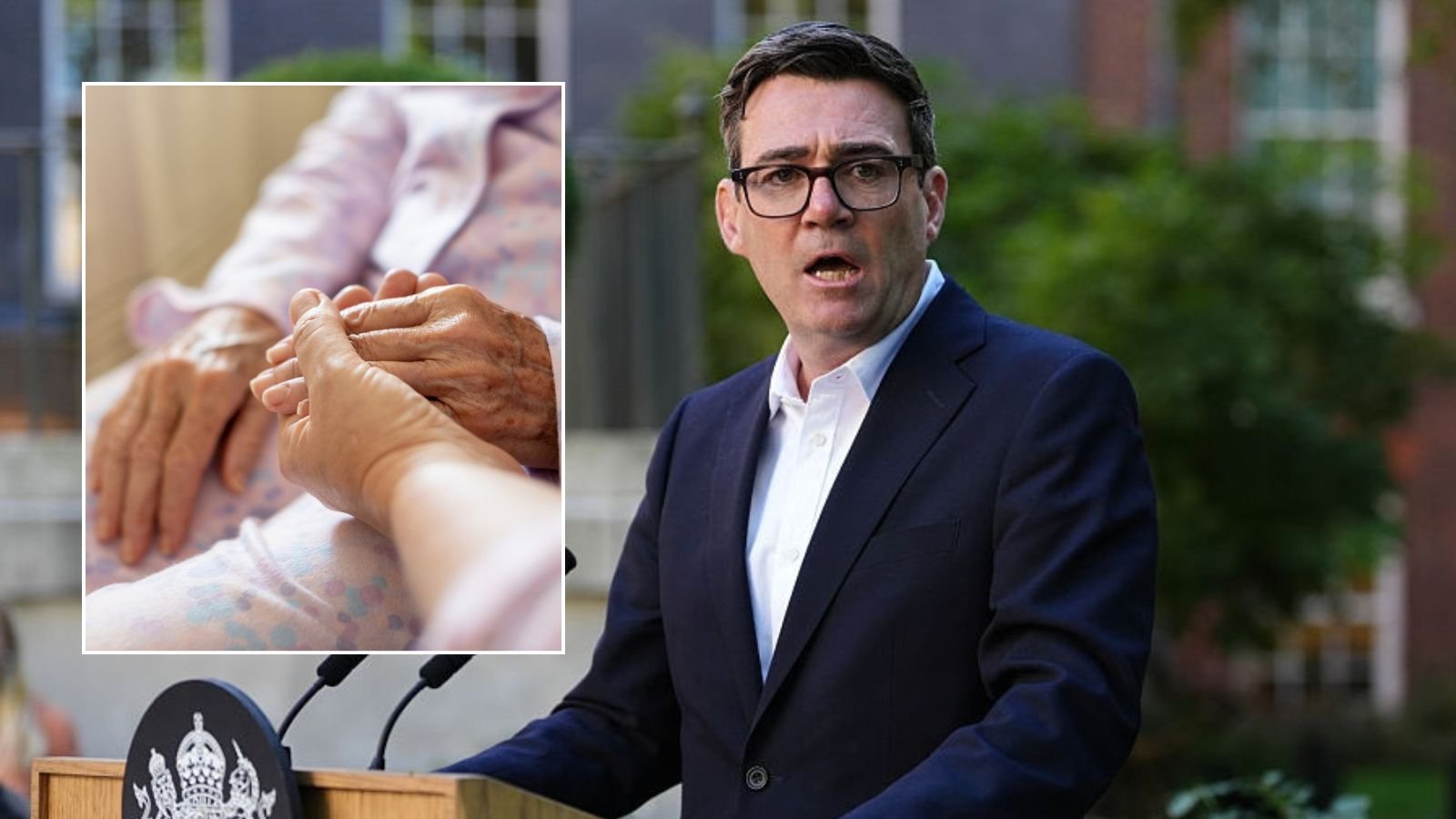
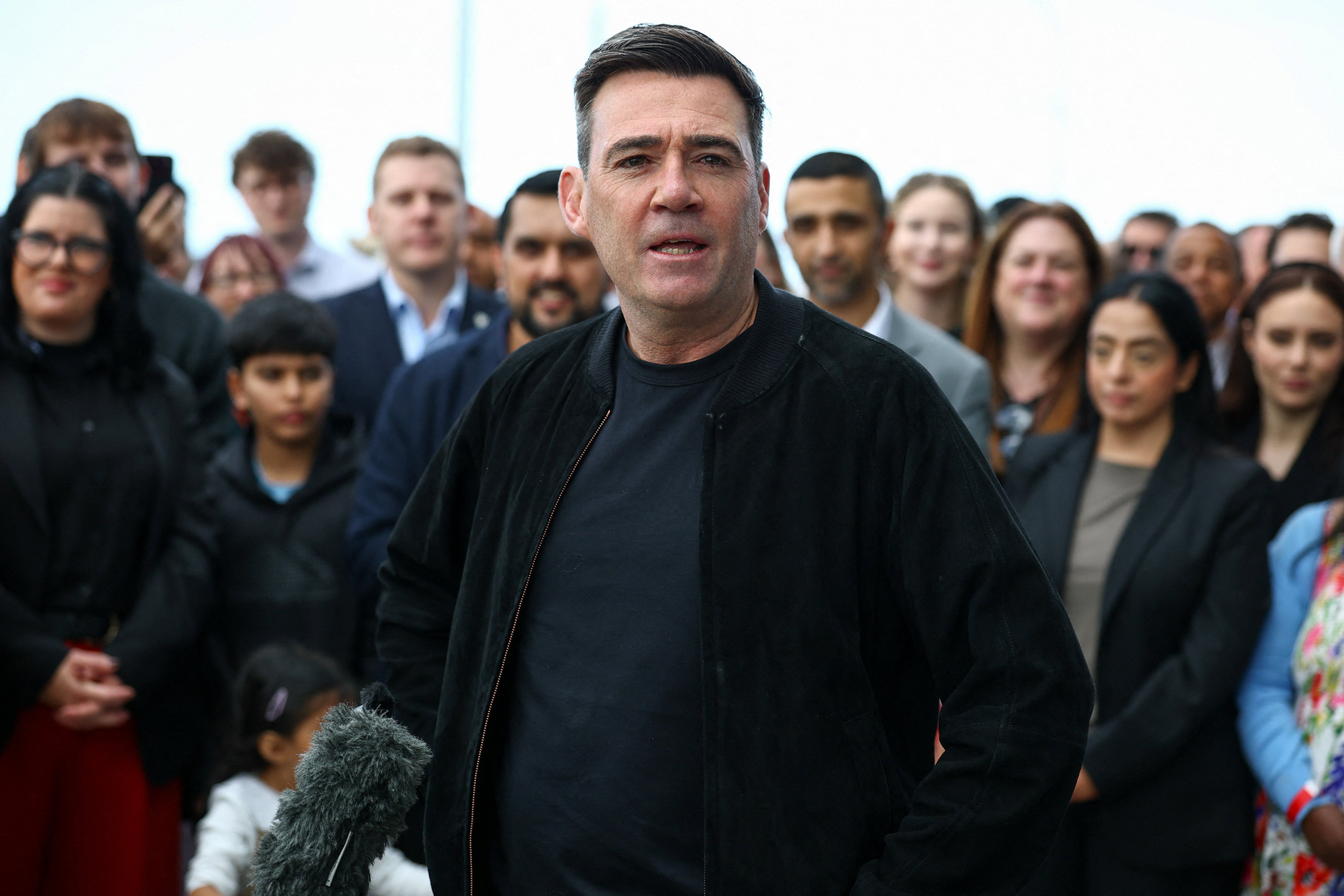
Prime Minister Andy Burnham has conceded that his landmark pledge to transform social care in England will not materialise during the current parliament, instead deferring the overhaul to Labour's manifesto for the 2029 general election.

The admission marks a significant retreat from the ambitions Mr Burnham expressed upon taking the Labour leadership in July, when he vowed to spend "whatever political capital I have" on repairing Britain's struggling care system.
Labour now intends to campaign at the next election on a specific plan to fund a care system that would be free at the point of use, financed through dedicated tax rises.
Mr Burnham acknowledged that existing commitments in Labour's current manifesto constrain his ability to act before the next election.

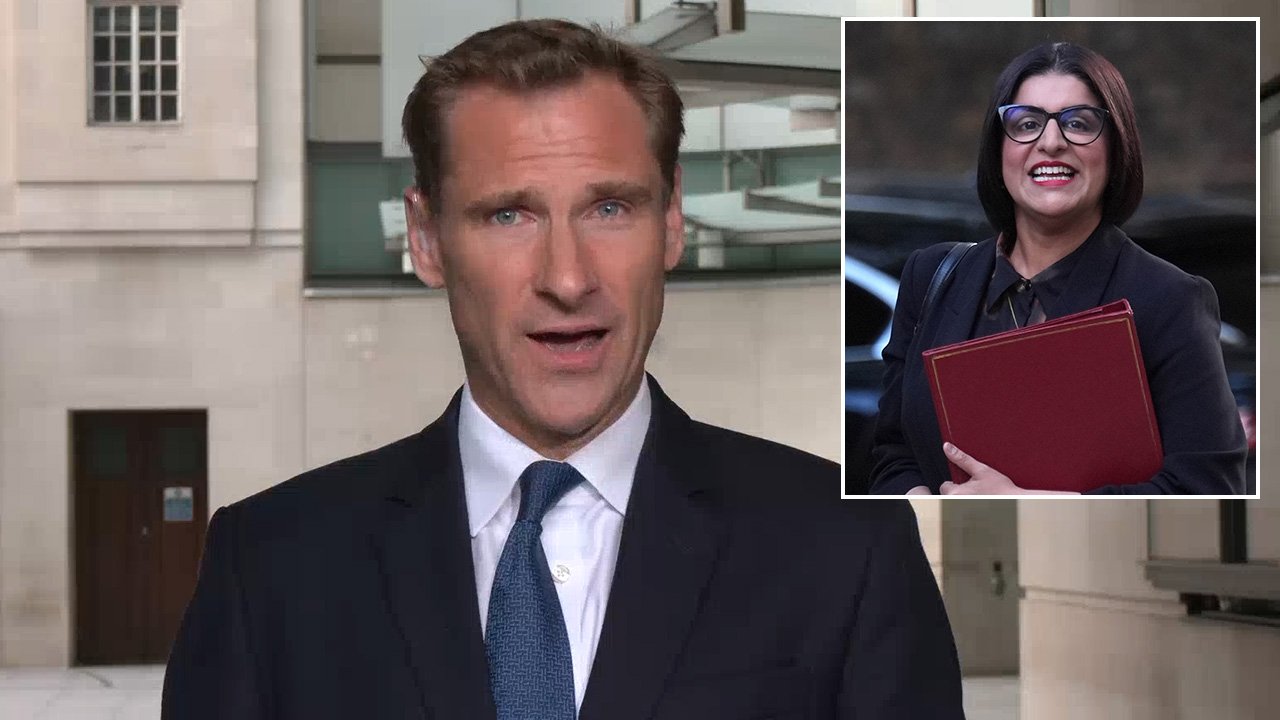
Speaking to BBC's Laura Kuenssberg, he said: "I have to keep people's trust as well, and there are commitments in the manifesto that would make it hard to do in this Parliament."
Rather than pressing ahead now, the Prime Minister said he would present voters with a fully developed proposal at the ballot box.
He added: "So I'm saying to you that I will develop a very clear plan, and I will put that plan to the public at a General Election. That will be where the plan gets tested.
"That is the way to do it . . . to get that endorsement and then introduce the system in the next Parliament, because the backing of people for this really matters.

LATEST DEVELOPMENTS
- Council tax warning as residents face 179% rise with NO cap on bills
- Savers warned they could pay HMRC tax bill TWICE as second letters sent out
- Labour scoring 'tax own goal' as missing levy could pay salary of ENTIRE British Army

On Friday, the Labour Party leader confirmed the next election would take place in 2029, ruling out any prospect of going to the country early.
The Prime Minister recognised that not all voters would back the proposed system, which would make social care free at the point of use in a manner analogous to the NHS.
While the Health Foundation think-tank has estimated the cost at £18bn, Burnham disputed that figure, insisting the true price would be lower.
To lay the groundwork for the eventual reform, Mr Burnham has accelerated a comprehensive review of social care, commissioning Baroness Louise Casey to report next year.
The decision to push the overhaul beyond 2029 is likely to draw criticism, given that Mr Burnham made fixing the crumbling care system the centrepiece of his pitch for the Labour leadership barely two months ago.
As Health Secretary in 2010, Mr Burnham proposed for an estate levy to finance a national care service was attacked by the Conservatives as a "death tax".
Former Prime Minister Theresa May suffered a similar fate in 2017 after her manifesto plan to factor property values into home care eligibility assessments was swiftly labelled a "dementia tax" and abandoned.
Despite this troubled history, Age UK's Caroline Abrahams noted Mr Burnham's commitments "suggest we are closer to the fundamental social care reform we need to see than we've been for a generation."
Our Standards: The GB News Editorial Charter