





Reform vows to slap tariffs on countries that refuse to take back migrants as party promises to deport Afghan and Palestinian refugees

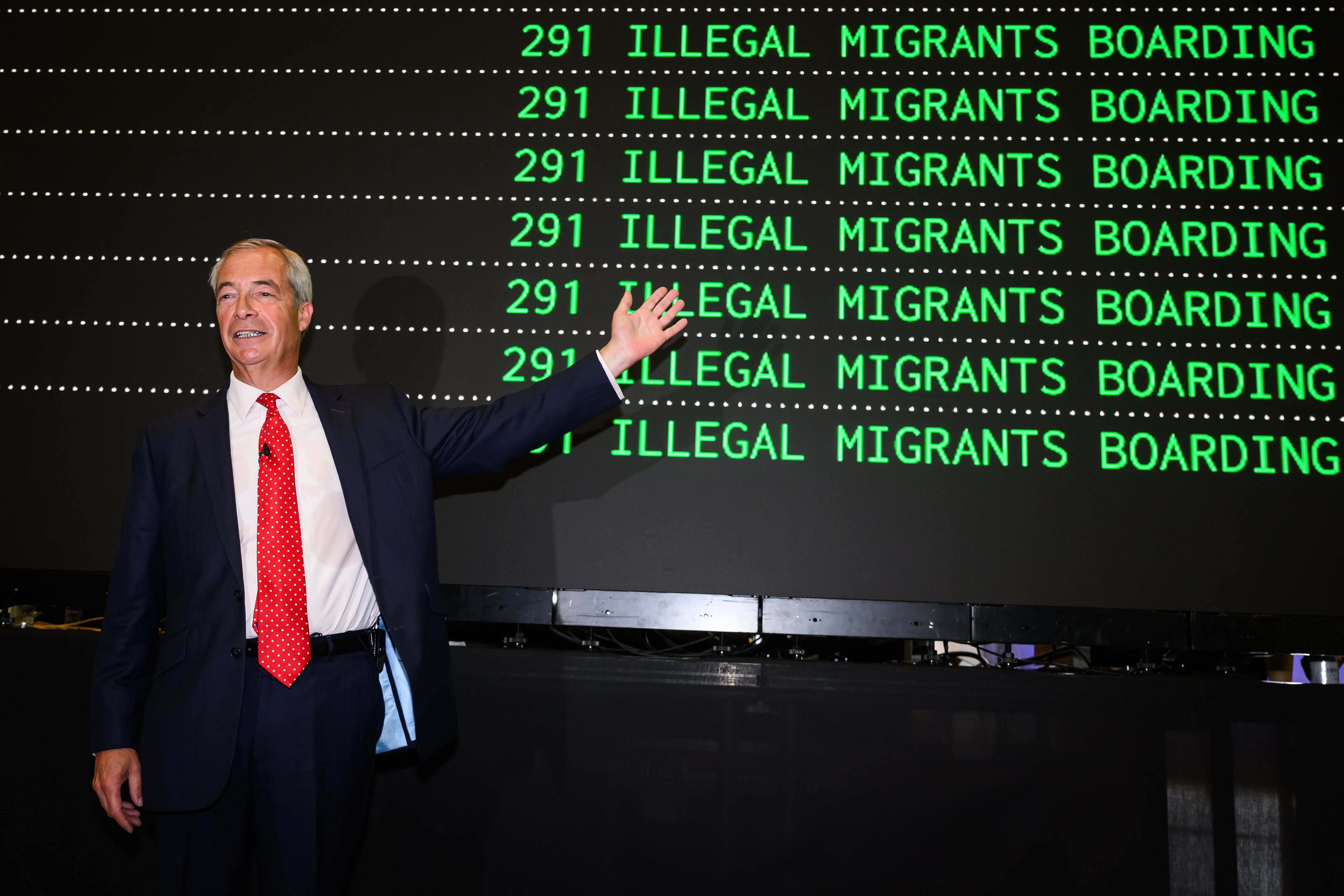
Reform UK has vowed to slap tariffs on countries that refuse to take back migrants and end Labour’s Palestinian and Afghan refugee resettlement scheme.

Nigel Farage is expected to announce the plans this week, alongside new visa restrictions and airspace bans targeting nations that refuse to cooperate with British deportation efforts.
The UK has faced issues with nations refusing to accept migrants back to their countries of origin.
Most recently, Pakistan rejected appeals from Labour to take back Rochdale grooming gang ringleader Shabir Ahmed.
Pakistani Deputy Prime Minister Mohammad Ishaq Dar told Foreign Secretary Ed Miliband that no bilateral agreement between the two countries would legally allow the transfer.
In February, Reform unveiled plans to block visa applications from countries that refuse to accept deportees, targeting nations that accounted for the vast majority of visa requests, such as Pakistan, Afghanistan, Syria, Eritrea, Sudan and Somalia.
Senior party figures believe tariffs would be a more potent tool against countries where visa restrictions alone would carry limited weight.
This would include nations without large diaspora communities in the UK but that maintain significant trade links with Britain.

Egypt has been cited as one potential target for the measures, according to The Times.
Reform has not yet specified the import levy rates it would seek to impose.
However, Mr Farage’s plans could face potential legal opposition from the World Trade Organisation.
The international body requires member states to apply uniform tariff rates to all trading partners under the so-called most-favoured-nation principle, with only narrow exceptions permitted.
LATEST DEVELOPMENTS
- Labour told to tell GB News the truth after ‘covering up’ asylum seeker rape guide cost to taxpayers
- Piddington women left ‘terrified’ as Home Office stonewalls GB News over asylum seeker rape guidance
- One migrant crosses Channel every SIX MINUTES during first week of October as PM faces boat surge

One such exception covers situations involving armed conflict or an "emergency in international relations."
Britain invoked this provision in 2022 when it raised tariffs on Russian and Belarusian goods following Moscow's full-scale invasion of Ukraine.
As part of a tranche of measures to address Britain’s migrant crisis, Mr Farage will also pledge to end Home Secretary Shabana Mahmood’s refugee resettlement scheme.
Speaking at the Labour Party conference, Ms Mahmood said her policy will bring in the “most vulnerable” refugees, including women and girls in Afghanistan, Palestinians with critical medical needs and survivors of torture.
Those accepted will be granted immediate indefinite leave to remain, unlike other refugees whose status is reviewed every 30 months.
If it wins the next General Election, Reform has said it will deport all those who arrived under the scheme.
Reform additionally plans to bar airlines from accessing British airspace and prevent citizens from transiting through the UK when their governments refuse to cooperate with deportation requests.
The main target of these measures would be Pakistan, which successfully lobbied the British Government to allow Pakistan International Airlines to resume flights to the UK.
GB News revealed that delegates from Islamabad had proposed accepting grooming gang deportations in exchange for the move.
However, the ban was lifted a month after the meeting, with no such arrangement in place.
Under Reform’s proposed measures, Pakistan International Airlines would lose its right to operate direct flights to Britain.
It would build on bans on other national carriers from nations with high numbers of asylum seekers in Britain.

Afghanistan, Sudan, Eritrea, Libya and the Democratic Republic of Congo already have their airlines excluded from UK skies.
Mr Farage is also expected to announce measures targeting people granted refugee status within the past five years.
Under the proposals, any refugee whose home country is later judged safe would have their status revoked and face removal, along with their dependants, regardless of the conditions that existed when they first arrived.
Our Standards: The GB News Editorial Charter