







North Sea oil ban moves closer as Labour presses ahead with 'landmark' energy bill

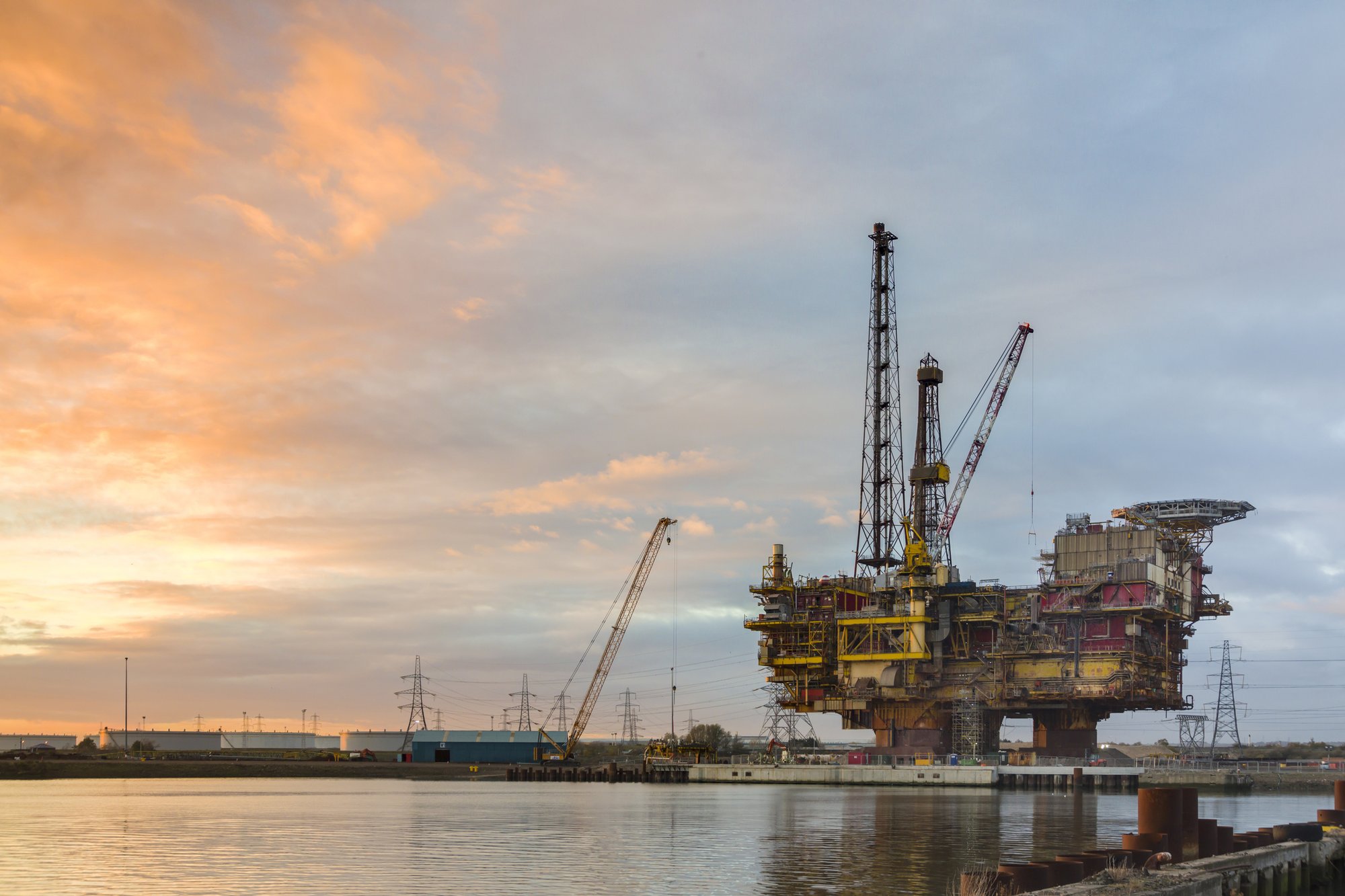
Labour's plan to ban all new North Sea oil exploration licences came a step closer today as its Energy Independence Bill was presented to Parliament.

The "landmark legislation" is set to bring an end to decades of searching for new oil and gas fields in British waters.
The Energy Independence Bill, which contains a range of measures including a formal ban on fracking, was described by Energy Secretary Miatta Fahnbulleh as "a first downpayment on fixing a broken system".
It includes laws to scrap gas standing charges, reforms to speed up grid connections and a pledge to give communities a greater stake in clean energy projects.
It also introduces measures to crack down on "rogue energy companies and landlords".
It comes after Prime Minister Andy Burnham promised a "pragmatic" approach to oil and gas.
The issue of UK energy has come under increased scrutiny, and, at last week's Budget, Chancellor John Healey said that the Government's priority was "first and foremost cheaper energy".
Last month, Ms Fahnbulleh approved Jackdaw, a giant gas field that will now be supplying British homes this winter. She is still deciding on the fate of Rosebank, Britain's largest untapped oil field.

Both fields had been licensed under the previous Tory government, although drilling was halted after legal challenges on climate grounds.
But the Energy Independence Bill – which still needs to be approved by Parliament – will mean no future oil exploration on unlicensed sites can take place. This was a pledge in Labour's manifesto.
Labour has stressed that while new licences are banned, Transitional Energy Certificates will allow oil and gas production to continue in areas close to existing licensed fields.
It estimates that some 60 million barrels of oil could be recovered through the use of these certificates.
LATEST DEVELOPMENTS

But Rosebank alone is estimated to contain 300 million barrels of recoverable oil.
Andy Mayer, energy analyst at the Institute of Economic Affairs, said: "The Energy Independence Bill is rooted in a delusion that the Government can centrally plan energy, and, in particular, a low-carbon transition for the North Sea.
"This has collapsed investment in new fields, reduced the future tax receipts necessary to fund future wealth funds, and increased the UK's dependence on imports.
"To mitigate the damage, the Bill offers wriggle room on permitting Transitional Energy Certificates linked to existing consents and fields – of which Jackdaw and Rosebank are current high-profile examples.

"But this is just ducking hard choices. For Net Zero activists, the emissions profile of drilling is not affected by proximity to prior activity; they want a ban.
"For the industry, it's yet more regulation and complexity, which will encourage gaming and lawsuits, not a renewal of investor confidence."
David Whitehouse, chief executive of trade association Offshore Energies UK, welcomed the aim of cheaper energy. But he said the North Sea remained a vital part of UK energy security.
He said: "The Government is right to put energy affordability at the heart of this Bill, but affordability must go hand in hand with energy security.
"Today, Britain imports more than 40 per cent of the energy it needs, leaving households and businesses exposed in an increasingly volatile world.
"We should be making the most of the energy we produce here at home rather than relying on imports.
"Energy independence must mean backing our own North Sea, our own industries and our own people. Britain cannot import its way to energy independence."
Russell Borthwick, chief executive of Aberdeen & Grampian Chamber of Commerce, argued that North Sea exploration and the transition to green energy could go hand in hand.

He said: "The UK will not achieve energy independence by choking off one of its greatest national assets.
"The North Sea has powered our economy for more than half a century, supporting hundreds of thousands of jobs, generating hundreds of billions in tax revenues and providing the energy that keeps our homes warm and businesses running.
"At a time of growing geopolitical uncertainty, it makes no sense to deliberately accelerate the decline of domestic oil and gas production, only to become increasingly dependent on imports from overseas.
"We should be making the most of the North Sea while investing in the energy technologies of the future. These are not competing ambitions. They are two sides of the same coin."
The Government said that the collective measures in the Bill would deliver a major overhaul of Britain's energy system, "putting affordability and public control at its heart".
It will include steps to deliver on the Budget announcement that standing charges on gas would be scrapped, with the cost moved onto the unit price.
Ministers estimate that 60 per cent of gas account holders would save an average of £45 a year.
Regulator Ofgem will be given greater powers to crack down on "rogue energy companies and bosses", including intervening on bonuses.
Local authorities will receive wider powers to tackle rogue landlords who fail to meet energy efficiency standards, including fines of up to £30,000, and developers will be required to offer communities a stake of up to 20 per cent in new projects in their areas.
Prime Minister Andy Burnham said: "For too long, families have paid the price for an energy system that isn't working for them. Bills are too high and events around the world can send costs soaring.
"That's why we've taken immediate action to help people with energy bills, with £50 off the annual price cap and our new £100 energy payment for 20 million households.
"And this Bill will make the changes needed for the long term: protecting people when energy companies let them down, giving communities a stake in the power produced on their doorstep, and building more cheap, green power here at home.
"Together, these changes will bring bills down for good, give families greater security and put Britain back in control of its energy future."
Ms Fahnbulleh said: "Energy is an everyday essential. No one should have to worry about being ripped off by rogue companies or see bills driven up by price shocks thousands of miles away.
"Today is a first downpayment on fixing a broken system, protecting consumers from unfair costs and putting the public back in control.
"Through this Bill, we will build a clean energy future which people feel in their pockets, households and communities, ensuring support reaches those who need it most."
Our Standards: The GB News Editorial Charter