









Majority of prisoners released early from prison will not be fitted with ankle tracking

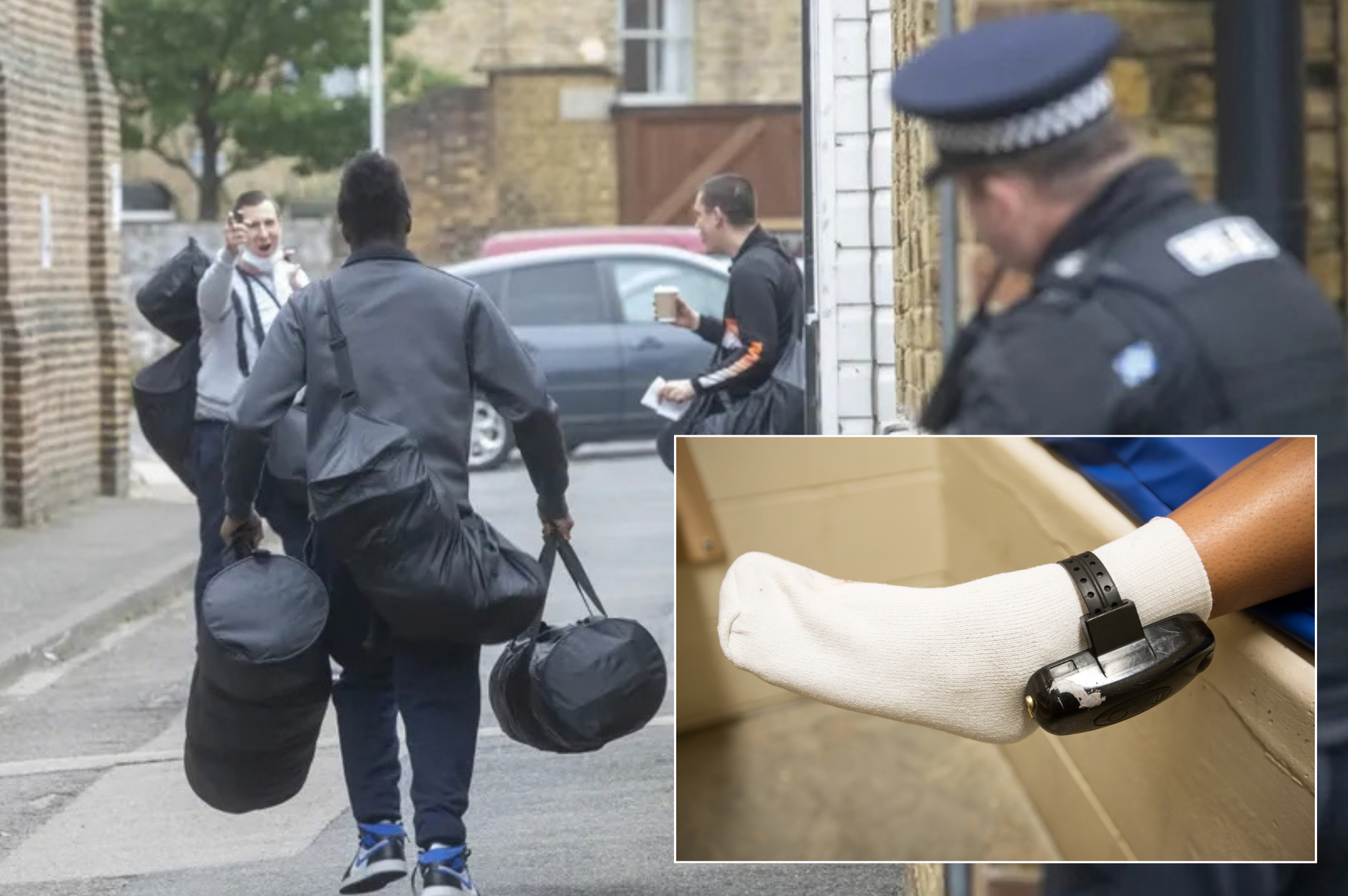
Most of the 1,350 prisoners set free early under Labour's early release scheme next month will not be fitted with ankle tracking tags, it has emerged.

The Probation Service is said to lack the capacity to fit devices on offenders ahead of the first wave of releases, which begins on October 1.
The number of prisoners due out over the following fortnight is twice what was originally planned.
Those being released are serving sentences of up to two years and five months.
While tagging before release will be prioritised for the most dangerous offenders, serious and violent criminals could still leave prison unmonitored, according to the Times.
Ministers had pledged that electronic monitoring would form the foundation of the revamped early release model, which Prime Minister Andy Burnham restructured after taking office.
The government said that there would be a "presumption that all offenders are electronically tagged on release", with exemptions granted only in narrow circumstances deemed unsuitable.
In practice, however, most prisoners leaving custody next month under tagging orders will not have devices fitted before they walk out.

Instead, they will be tagged at a later point once already back in the community.
Three categories of devices, curfew, location and alcohol tags, are expected to be deployed.
Violent and sexual offenders will face newly created "restriction zones", with victims given input into how those boundaries are drawn.
It follows a damning National Audit Office report published this summer, which found the electronic monitoring system was broken and endangering the public.
LATEST DEVELOPMENTS
- More than 700 sex offenders held indefinitely 'to be freed' despite Andy Burnham U-turns
- Labour minister handed GB News grilling as hundreds of sex offenders set to walk free from prison: 'Where's the thinking?!'
- Freed prisoners returning back to jail at alarming rates

The watchdog identified 9,000 offenders across England and Wales who should have been wearing tags but were not, among them violent criminals and released prisoners.
Serco, the private contractor responsible for the tagging programme, successfully fitted devices to just 62 per cent of those who required them.
The firm met its visit punctuality targets, though this did not necessarily translate into offenders actually being tagged.
The NAO also found that Serco was allowed up to 53 hours to report licence breaches to the authorities.

Senior police figures have separately cautioned that supervising released prisoners intensively will stretch forces and potentially divert officers from tackling other crime.
Nick Timothy, the Shadow Justice Secretary, accused the Government of "systematically misleading the public" over the safety of the early release programme.
He said: "We were told that security measures would be in place so dangerous offenders would be properly tagged. Now it's been revealed that isn't true.
"The public have been told they will not be put in danger by the early release of prisoners, and that proper tagging would be in place before the first releases. Now it turns out that was a lie."

Mr Burnham had already overhauled the scheme after succeeding Sir Keir Starmer, barring those convicted of unlawful killing, sexual offences and crimes against children from eligibility.
Those changes followed public outrage and intervention from police chiefs over plans that would have made the killers of PC Andrew Harper eligible for release.
The Ministry of Justice told The Times: "Public protection is our priority and we’re imposing the toughest-ever controls on offenders. We’re investing £100million in the biggest expansion of tagging in British history, introducing a presumption to tag offenders before release for the first time, and strengthening victim protections through new alert systems.
"This is part of our record £700million investment in probation and community services, recruiting 2,300 trainee officers over the last two years and a further 1,300 this year, and ensuring dangerous offenders are kept under closer surveillance than ever before.”
Our Standards: The GB News Editorial Charter