






Labour unveils cost-of-living package that could save households £1.75 a month


Families could pay less for more than 100 everyday products after the Government announced a sweeping reduction in import taxes.

Marmalade, baked beans, chocolate and gherkins are among the supermarket staples expected to become cheaper.
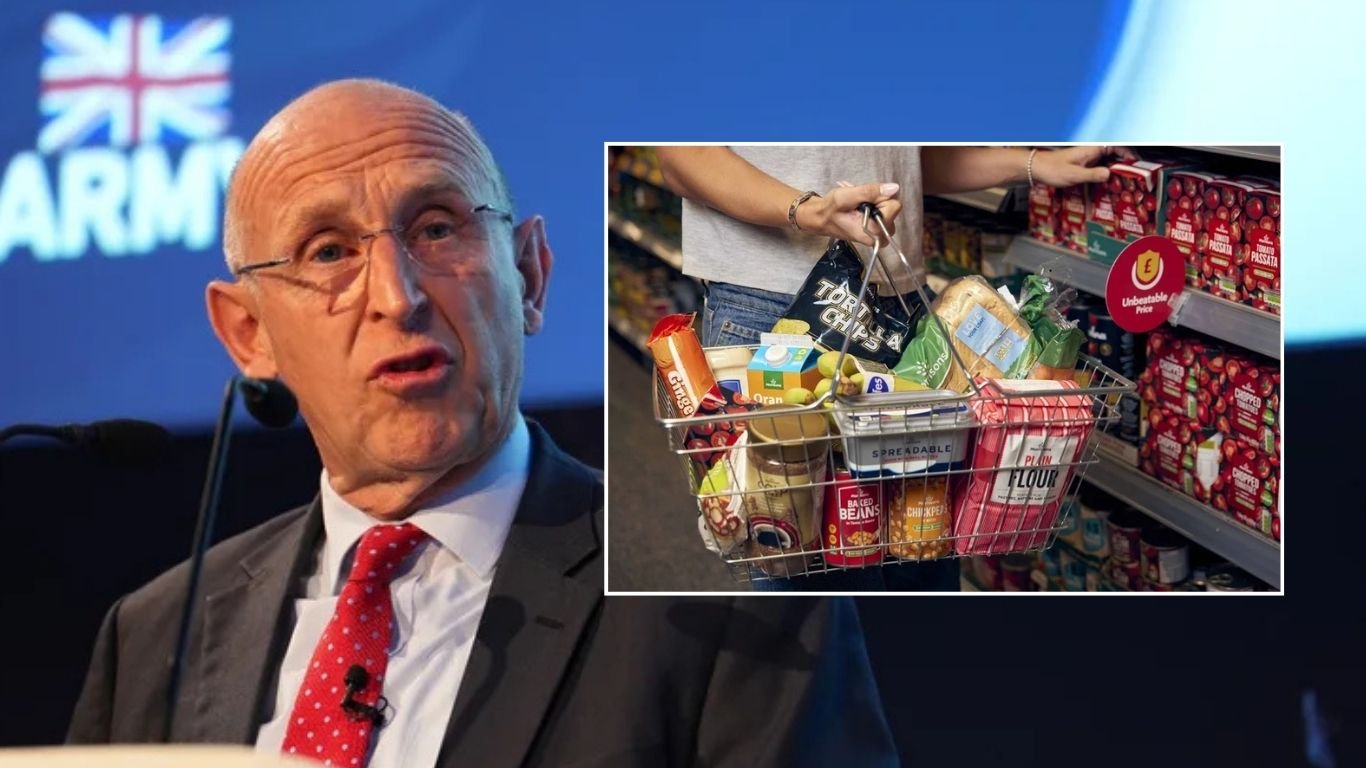
Chancellor John Healey unveiled the tariff suspensions on Monday evening, two days before his first Budget.
They form the centrepiece of Prime Minister Andy Burnham's latest "everyday fixes" package.
The Government estimates that the latest tariff cuts could save households up to £21 a year, or £1.75 a month, on food shopping.
This figure includes earlier reductions introduced in June on products such as pasta, fruit juice and tuna.
Together, the two packages are expected to reduce costs for consumers by between £245million and £595million annually.

Mr Healey said the measures would give families "a bit of breathing space" as living costs continue to rise.
Some of the tariffs being suspended are substantial. Imported marmalade currently carries a 20 per cent tariff, plus an additional charge of £19 for every 100kg.
Gherkins face a 12 per cent tariff, while chocolate-coated wafers, toffees and boiled sweets are each subject to an eight per cent duty.
However, removing tariffs does not guarantee that shoppers will receive the full saving, as retailers will decide how much of the reduction to pass on through lower prices.
Products expected to see tariffs cut
The products expected to benefit include:
- Garlic, currently subject to an eight per cent tariff plus £100 per 100kg
- Gherkins, which carry a 12 per cent tariff
- Citrus jams, marmalades and pastes, currently taxed at 20 per cent plus £19 per 100kg
- Throat pastilles and cough drops, which carry an eight per cent tariff
- Boiled sweets, including filled and unfilled varieties, taxed at eight per cent
- Toffees, caramels and similar sweets, which carry an eight per cent tariff
- Plant-based drinks made from soya, nuts, cereals or seeds, taxed at eight per cent
- Chocolate-coated waffles and wafers, which carry an eight per cent tariff
- Kerosene, currently subject to a four per cent tariff
- Fertilisers, which carry tariffs ranging from two to 6.5 per cent
The wider package also includes making the tax-free mileage rate of 55p per mile permanent for the first 10,000 business miles. The Government said this would benefit around three million workers who use their own vehicles for their jobs.
Parental pay will also be extended to more than 150,000 additional parents each year, including self-employed fathers and partners.
"Conflict in the Middle East and Europe is hitting families here at home through higher everyday costs," Mr Healey said. "We can't control global events, but we can act where we can make a difference."
The Conservatives were quick to dismiss the announcement. Shadow Chancellor Andrew Griffith said: "Shoppers face rising costs at the till and families are struggling to make ends meet, but Burnham's plan is cheaper gherkins.
"This is an insult to families hammered by Labour's tax rises."

Mr Griffith argued that the government's "everyday fixes" had already been cancelled out by increased borrowing costs, higher taxes and inflation under Labour.
Mr Burnham defended the measures, insisting his government was not "losing sight of the everyday problems that cost people money or simply aren't fair".
"These changes will make life a little easier and put more money back in your pocket," the Prime Minister said, pledging that Wednesday's Budget would go further in providing relief for households and businesses.
The announcement lands at a time when shop prices are already climbing sharply.
According to the British Retail Consortium, shop price inflation reached 2.1 per cent year on year in October, a significant jump from 1.4 per cent the previous month.

Food inflation proved even steeper, rising to 2.9 per cent from 2.5 per cent in September. The BRC attributed the acceleration to higher energy and food ingredient costs linked to the Middle East conflict.
Helen Dickinson, the consortium's chief executive, warned: "The dam is starting to break on the huge wave of costs retailers have absorbed over the last two years."
The figures suggest that the pressure on household budgets which Mr Healey's tariff cuts are designed to ease is, if anything, intensifying.
Helen Dickinson, the consortium's chief executive, warned: "The dam is starting to break on the huge wave of costs retailers have absorbed over the last two years."
The figures suggest that consumers are already feeling the squeeze at the checkout, lending urgency to the government's efforts to bring down everyday costs.
Our Standards: The GB News Editorial Charter