





Labour admits ministers should not be 'beholden' to targets as 2030 clean energy goal in doubt

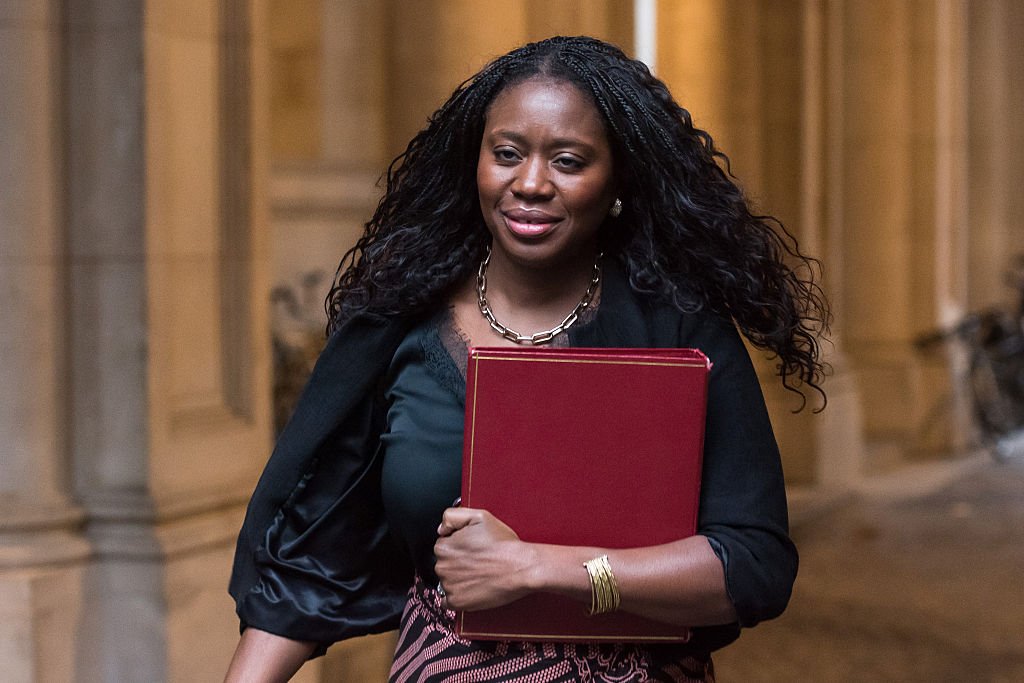
Energy Secretary Miatta Fahnbulleh believes ministers should not be "purely beholden" to targets, after Labour's pledge for a clean electricity grid by 2030 was thrown into question.

Her comments, made before the Budget, come as sources claimed new Treasury rules have threatened the ambition of having 95 per cent of electricity generated by clean sources by the end of the decade.
During his Budget, Chancellor John Healey said that new green projects should only be funded if they can be easily connected to the grid and can bring down bills.
Government sources told the Telegraph that this has made the chance of hitting the 2030 deadline unlikely.
Ms Fahnbulleh, who succeeded Ed Miliband as energy secretary, argued that delivering tangible benefits to consumers was key to garnering support for the transition.
Speaking to journalists ahead of the Budget, Ms Fahnbulleh said that talking about the energy transition in ideological terms wasn't the way to cut through.
She said that while targets might be effective at driving policy, the public needed to feel the benefits themselves to buy into it.
Ms Fahnbulleh said: "We've got to make sure that we are showing rather than telling people that the transition is good for them. I don't think it's enough for me to say, this transition is great, huge amounts of investment, etc - no one cares if they don't feel it, if they don’t see it. So the way I'm thinking about the job is we should never be purely beholden to targets."

She said that she found it "tragic" that previous cross-party consensus on how to tackle climate change had been lost, particularly after the summer heatwaves.
She said: "I’m conscious that the question of affordability is a thing that is turbocharging that conversation and politicising it. So, I see answering the affordability question as essential to getting to the consensus that we need so that we can do the transition."
The Energy Secretary insisted that clean power was the route to cheaper energy, pointing to recent price shocks caused by Ukraine and the Iran war.
"The link and our dependence on global fossil fuel markets is a genuine thing - it is not just an argument we are making for political reasons," she said, "That ability to have homegrown clean energy is absolutely critical to that task with affordability."
LATEST DEVELOPMENTS
- Labour presses ahead with £350million undersea cable as Net Zero costs mount
- BP profits nearly QUADRUPLE amid Iran war as environmental groups slam 'obscene' amounts
- Ineos slams Labour's budget as 'a major missed opportunity to save British manufacturing'

She went on: "The way I think we win this, and my test is, at the end of three years, I want to be able to point to things that people can see that validate the argument that the transition must happen, that it can and it will happen in a way that people can afford. If we do that, I think we'll win the argument and be on the right side of history."
Ms Fahnbulleh also insisted that the decision on whether to approve Rosebank, Britain's largest untapped oil field, was hers and hers alone.
Recent reports have suggested a Cabinet split on the controversial field that Mr Miliband once described as "climate vandalism".
Work at Rosebank has been halted after a legal challenge on climate grounds.

Jackdaw, a giant gas field, was in a similar position, although Ms Fahnbulleh approved it last month.
Asked about Rosebank, Ms Fahnbulleh said that she would make the call on the evidence.
She said: "Ultimately, only I can make that decision. I really enjoy reading bits in the media, Andy's deciding this, John's deciding that - well, actually, only I can make that decision, and the framework is really tight.
"So even my special advisers don't see the documents. There are only a tiny number of people in the department that have access to that. It's a really tight process for that very reason. It's a regulatory process. It's not a policy process.
"You're weighing up things like energy security, in the case of Jackdaw, its impacts on climate and other economic considerations, like jobs and growth. You have to think about the balance of all those things.
"It sits heavy for such a big controversial decision. In the end, only I can make it. And, if it is overturned by other colleagues, all that means is it’s going to be overturned in the courts. So we will do the process and we'll do it properly."
Our Standards: The GB News Editorial Charter