







John Healey vows to back Britain's 'bloody-minded entrepreneurs' at Budget despite £3tn debt burden

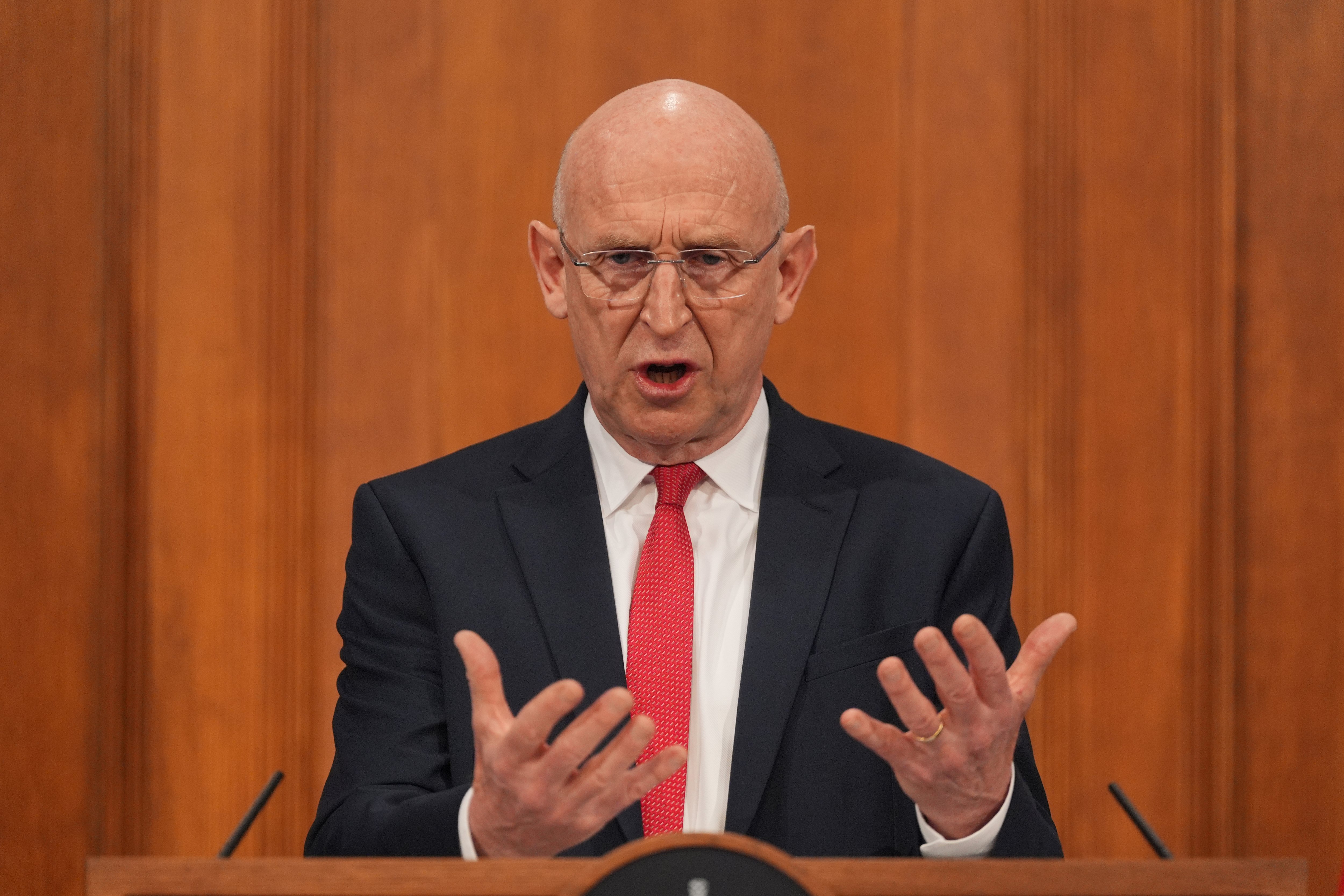
Chancellor John Healey has promised to champion "bloody-minded entrepreneurs" and reduce the burden on British companies in his first Budget next Wednesday.

The pledge comes as he prepares to deliver his maiden fiscal event against a deeply challenging economic backdrop.
Speaking to The Times, Mr Healey said: "I want to be a Chancellor who backs business in Britain making a profit, and those entrepreneurs who, in the end, are the ones who challenge the status quo, come up with innovative ideas and are trying, some of them through sheer bloody-mindedness, to keep going through these sorts of pressures."
Mr Healey, who replaced Rachel Reeves in the summer, suggested that reducing costs for businesses will be a key focus of his October 28 Budget. This could include cutting red tape for smaller firms.
However, he must balance supporting businesses with getting the public finances under control.
Britain's national debt passed £3trillion for the first time in September. A larger debt burden can mean the Government spends more on interest payments, leaving less money available for public services or tax cuts.
Inflation is also rising, reaching 3.5 per cent in the year to September, its highest level of 2026.

Mr Healey's predecessor, Ms Reeves, announced a combined £80billion of tax rises across her two Budgets.
This included a £25billion increase in employer National Insurance, with the rate rising from 13.8 per cent to 15 per cent.
Major employers said the change added millions of pounds to their costs and made it harder to hire staff and invest.
Hospitality businesses were hit particularly hard, as they also faced increases to the minimum wage and business rates.
Mr Healey defended Ms Reeves's decisions, blaming what he called the Conservatives' economic "dereliction of duty". However, he acknowledged that the changes had put businesses under greater pressure.
Mr Healey acknowledged that companies had been squeezed from multiple directions in recent years. "I have recognised that in recent times there's been a lot of pressure: employment law, regulation, tax, input costs, supply chains," he said.
He also mounted a robust defence of profit-making, pushing back against voices within Labour who have called for wealth taxes or higher levies on capital gains.
"If you're not making a profit, you've got nothing to put back into the business," Mr Healey said. "And for the people who start up these businesses, the ones who really thrive and grow, they have to make a profit and they will be much more inclined to put it back into their own business. But we want it to grow here and stay here."
The Chancellor said he was treating the cost of business with the same seriousness as cost of living pressures on households.
Earlier this week, Mr Healey ruled out any increase to capital gains tax. He is understood to have been concerned that raising the levy would prompt wealthy investors to leave the country, ultimately costing the Treasury revenue rather than boosting it.
The decision came despite pressure from within the Cabinet. Cabinet office minister Louise Haigh has publicly advocated equalising capital gains tax rates with income tax, while defence secretary Wes Streeting has described it as a "wealth tax that works".

Banks, however, are expected to face a tax rise in next week's Budget, though few other major revenue-raising measures are anticipated.
Meanwhile, Angela Rayner's overhaul of workers' rights has drawn criticism from business owners who warn it will make hiring and expanding more difficult.
Plans by the Low Pay Commission to equalise the minimum wage for 18-to-20-year-olds with the rate for over-21s have also provoked concern, with Sir Tony Blair's think tank warning of potential damage to employers.
Public sector borrowing also rose more than expected last month, reaching £24.5billion and underscoring the tight constraints on Treasury spending.
Ofgem's energy price cap is set to climb by nearly a quarter in January, according to the Bank of England, adding further pressure to both households and businesses.

Mr Healey has also refused to approve advanced plans for an investment visa that would grant wealthy foreigners the right to remain in Britain in exchange for investing £5million over five years.
Critics have warned the decision could deprive entrepreneurs and businesses of vital investor capital.
Britain's largest trade union, Unison, has urged the Chancellor not to shy away from taxing the wealthy. General secretary Andrea Egan said recent polling showed the public's message was clear: "It's time to tax the rich."
Whether Mr Healey's Budget delivers meaningful relief for businesses or merely asks them to endure remains to be seen.
Our Standards: The GB News Editorial Charter