








John Healey to rule out major capital gains tax rise ahead of Budget

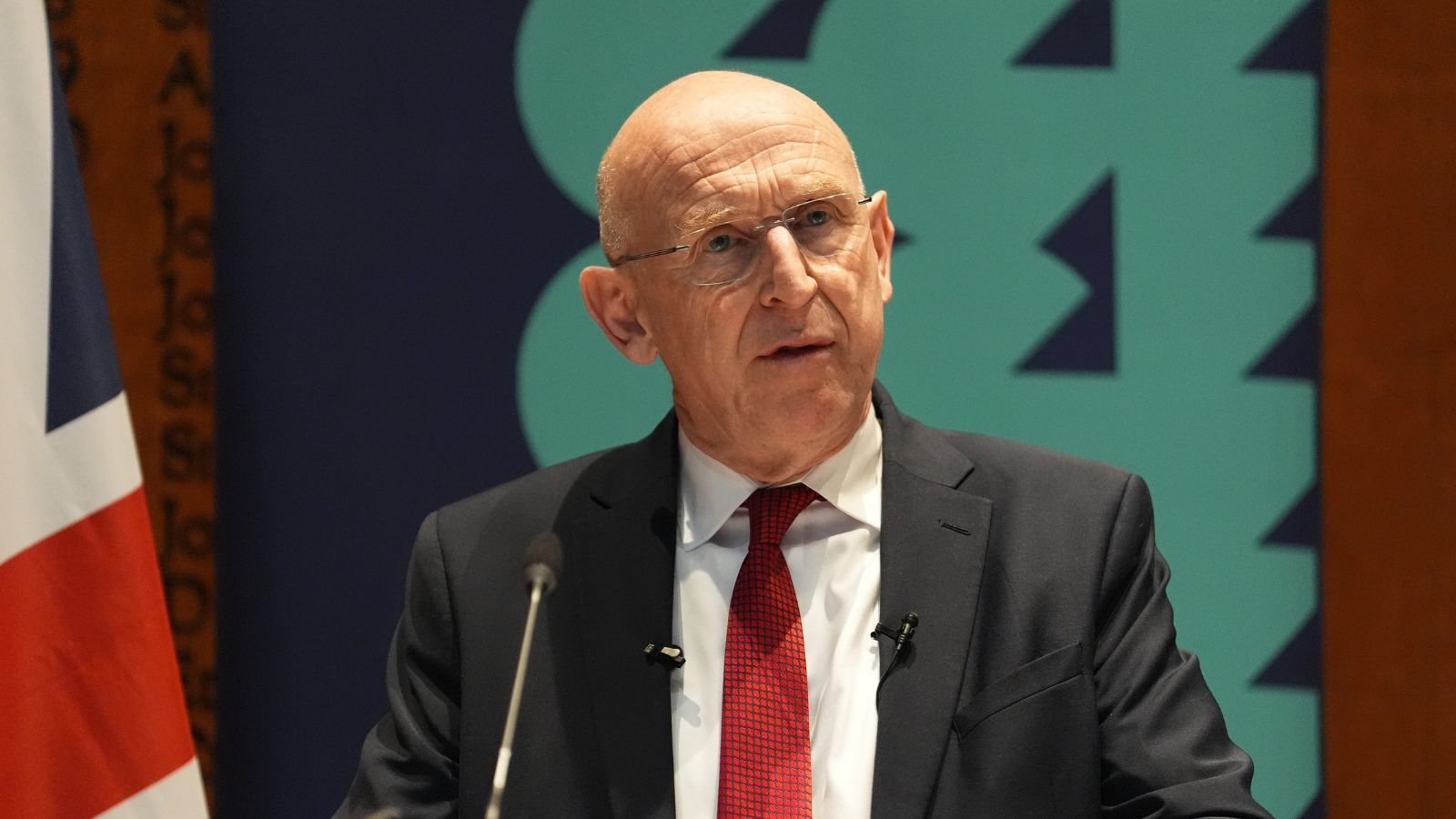
Chancellor John Healey has shut down pressure from within his own party to bring capital gains tax in line with income tax rates.

With his October 28 Budget just a fortnight away, Treasury sources have made clear that equalising the two levies is not on the table.
Four people close to the matter confirmed the proposal had been firmly dismissed.
One described it as "batshit crazy", while another argued that taxpayers would simply alter their behaviour by leaving the country or postponing asset sales, ultimately reducing government revenue.
Higher-rate taxpayers currently pay 24 per cent on profits from asset sales under capital gains tax.
That compares with a top income tax rate of 45 per cent.
The Treasury declined to comment.
Despite Mr Healey's rejection, the push for equalisation had gained significant momentum within Labour circles.
Louise Haigh, the first secretary of state, called for capital gains tax to be "brought closer to income tax rates" shortly before returning to government.
Lord Neil Kinnock, the former Labour leader credited by Prime Minister Andy Burnham as one of his mentors, also backed the idea. Defence Secretary Wes Streeting similarly proposed aligning the two taxes.

Dale Vince, the entrepreneur and Labour donor, supported estimates suggesting the move could raise £14billion for the exchequer. The IPPR, the left-leaning think-tank, called it a "no-brainer".
Mr Healey is under pressure to find new sources of revenue for his Budget. The Institute for Fiscal Studies warned on Sunday that the government faces a £35billion gap in its spending plans, driven by rising interest rates and defence costs.
The interventions from senior Labour figures triggered anxiety among entrepreneurs, tech founders and tax advisers.
Business leaders used recent meetings with ministers to caution that raising capital gains tax would drive more wealthy individuals out of Britain.

Lord Jim O'Neill, who had advised Mr Burnham before declining a role in government, said he would be "most disappointed" by any increase.
"That would pour more fuel on this idea that every other wealthy person is planning to move to Place X," he added.
Rather than pursuing equalisation, the Treasury is developing capital gains relief measures aimed at persuading entrepreneurs to plough the proceeds of business sales back into the UK economy, according to three people familiar with the plans.
Business lobby groups such as Tech Nation, Startup Coalition and Enterprise Britain have urged the government to cut or defer capital gains obligations for those who reinvest in British start-ups and scale-ups within a set timeframe.
"If the UK wants to keep founder talent and capital here, it needs to compete just as seriously," Tech Nation said.
The chief executive of investment platform Hargreaves Lansdown is among City figures who have called on the government not to raise capital gains tax. However, a more modest increase in the levy has not been ruled out.
Our Standards: The GB News Editorial Charter