




John Healey shatters Ed Miliband's Net Zero dream as Chancellor takes sledgehammer to funding

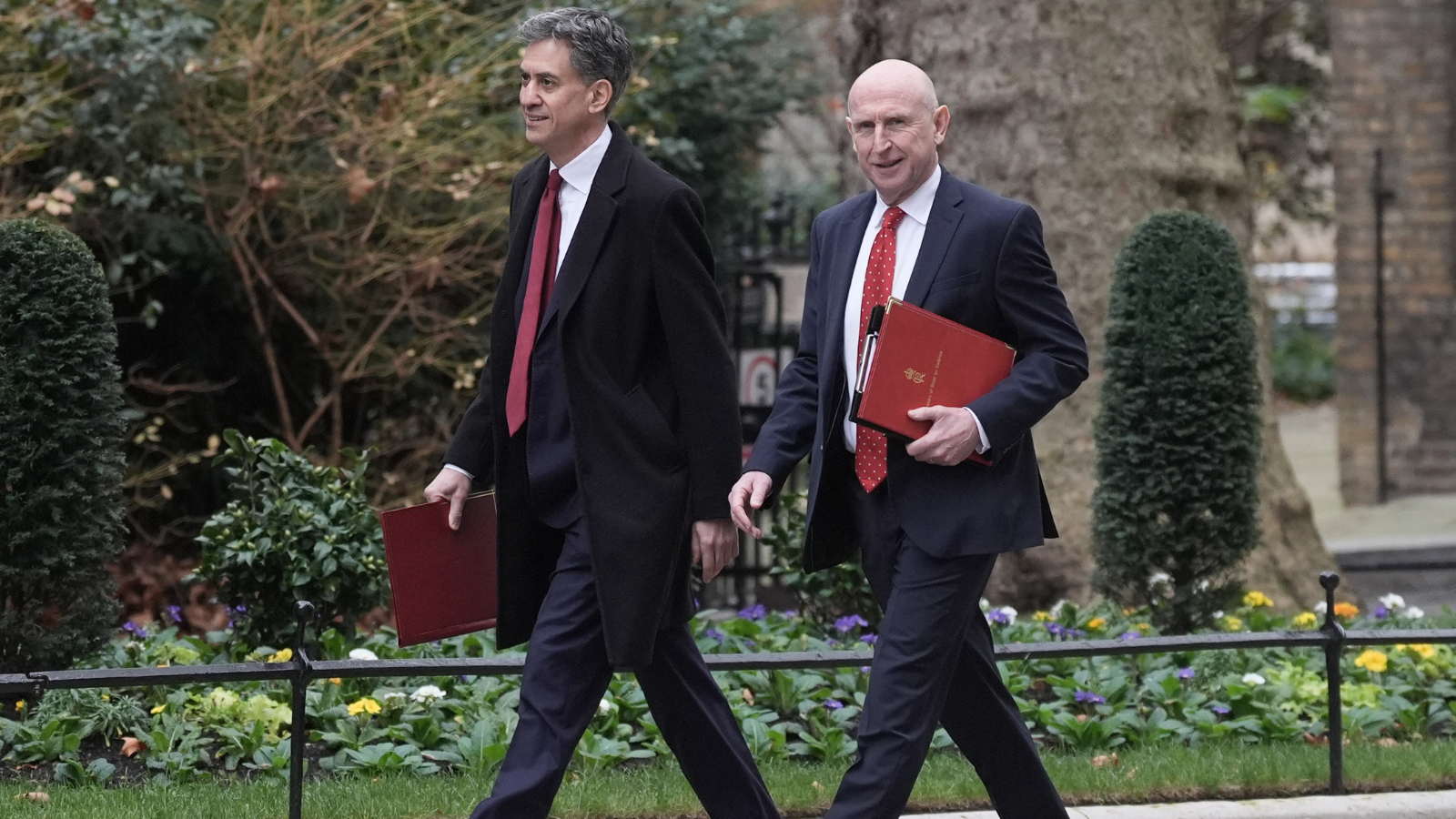
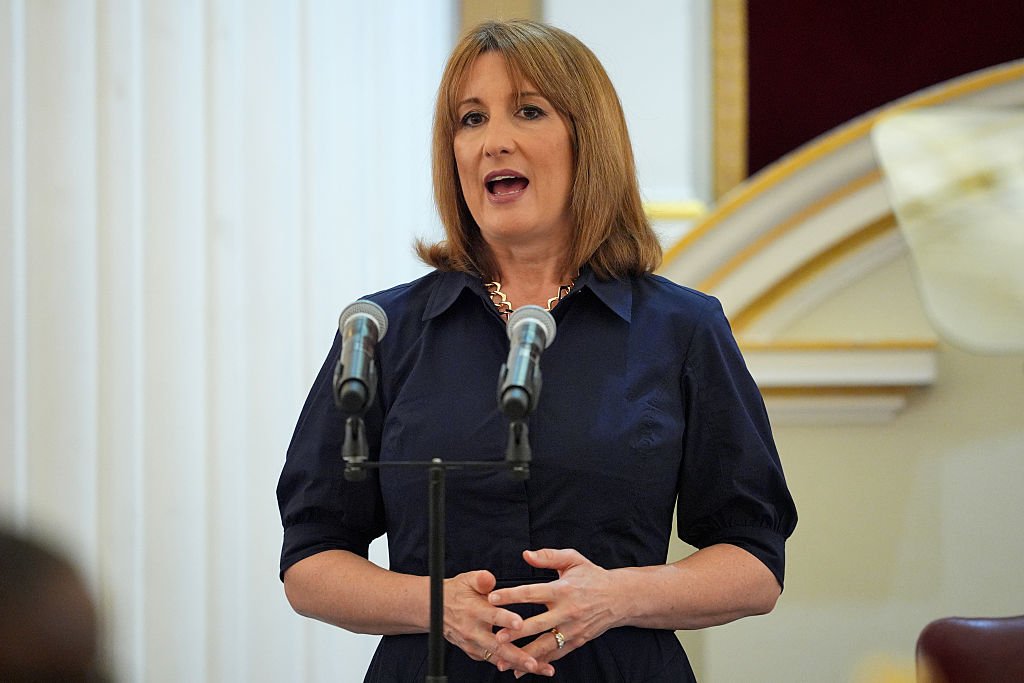
John Healey has announced plans to axe funding for Ed Miliband's Net Zero plans to deliver green energy by 2030.

In last Wednesday's Budget, the Chancellor told the Department for Energy Security and Net Zero (Desnz) that cash will only be handed to projects that cut bills and can join up to the National Grid easily.
The cut will make it harder for Labour to greenlight offshore wind farms, one of Mr Miliband's key projects while overseeing the department, The Telegraph reported.
Mr Healey's changes will provide a surmountable challenge to generate 95 per cent of electricity from renewable sources by the end of the decade, as the party promised in its 2024 manifesto.
But the Foreign Secretary billed his now-dead green energy pledge as the "biggest transformation of our energy system in decades" ahead of their General Election win.
Earlier this year, Britain's transition to Net Zero was estimated cost the economy more than £125billion over the remainder of this decade, according to the Government's official climate advisers.
The Climate Change Committee published a report in March revealing annual expenditure on the green energy shift would climb from approximately £15billion in 2025 to more than £30billion by 2029.
These figures include spending across Government, households and businesses, even after taking into account benefits such as cleaner air, improved energy efficiency and lower fuel costs.
The committee’s analysis suggests the financial benefits of decarbonisation are unlikely to appear until around 2040, prompting renewed scrutiny of Ed Miliband’s target to deliver 95 per cent clean electricity by 2030.

Individuals close to Mr Miliband insist that he was against Mr Healey's changes, adding that he backed cutting energy bills for Britons.
Last Wednesday, the Chancellor outlined the Government will only provide funding to projects "when they lower bills and when they can connect to the grid".
The Energy Secretary, Miatta Fahnbulleh, admitted it would be "pretty hard” to deliver clean power while lowering the cost of household bills down.
She ceded Net Zero plans were "necessary but not sufficient" to cut costs, adding "the public doesn’t measure the success of our energy system in gigawatts – they measure it in bills and whether they can live comfortably".
A Government spokesman said: "The Government is still committed to clean power by 2030.
"Over the last two years, we have made considerable progress thanks to the momentum of clean power 2030, seeing £110billion of private sector investment announced in clean energy and securing enough clean power for over 20 million homes.
POLITICS LATEST:
- Labour accused of 'making up China policy as it goes' leaving Britain 'exposed' to security risks
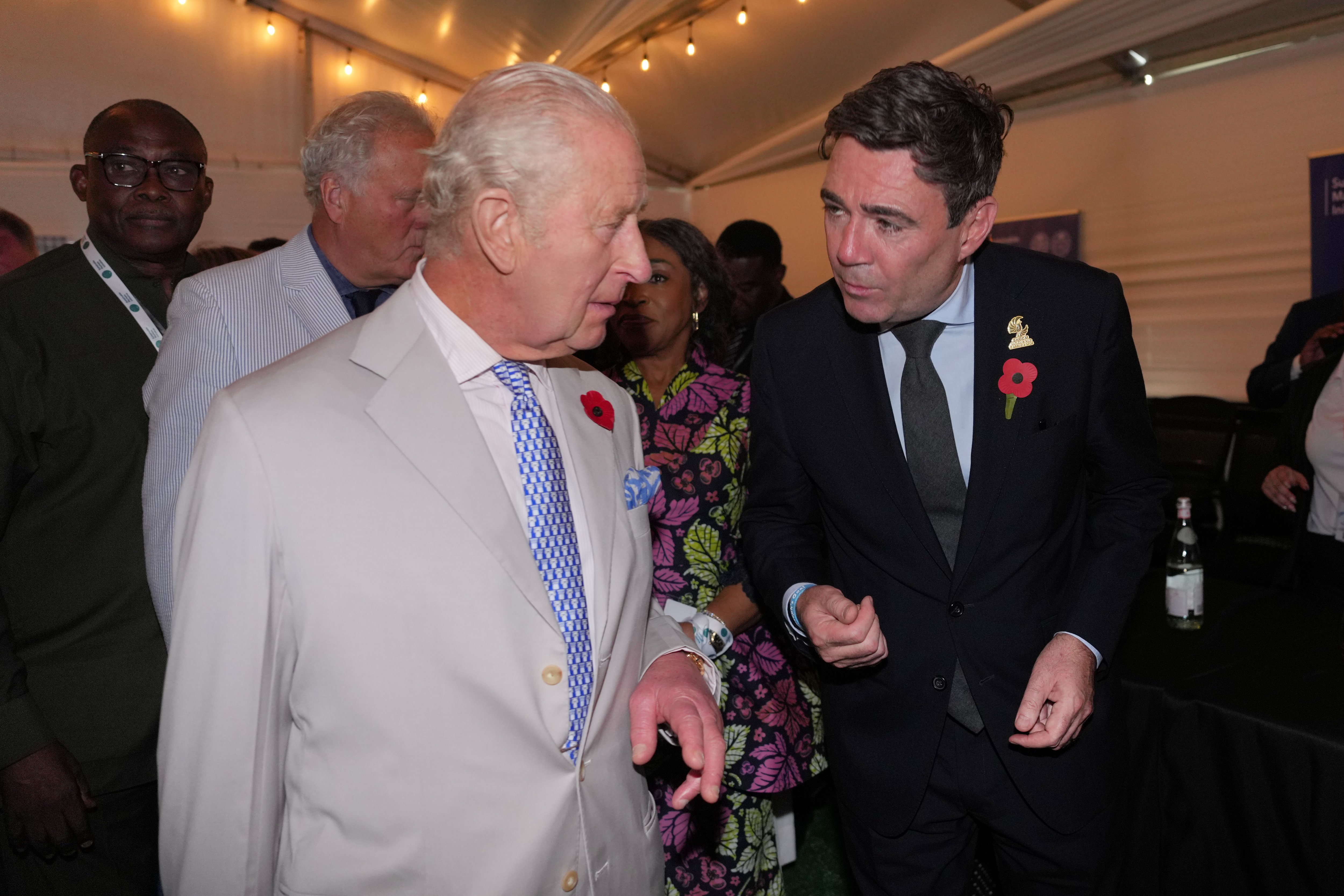
- Andy Burnham opens door to slavery payouts as Commonwealth nations seek 'justice'
- Labour to end half of council power-sharing agreements with Greens over 'Zionism is racism' policy

"This continues as we shift into delivery, to make sure the benefits of clean power leads to lower bills and reindustrialisation."
Last week, Andy Burnham promised to uphold the manifesto which won Sir Keir Starmer a landlide election win two years ago.
But he admitted: "If I had held the pen on the current Labour manifesto, would I have written it exactly like it is? Well, ‘no’ is the answer to that question."
The Prime Minister's blunt admission sent heads spinning in Westminster once again over whether Mr Burnham could call a snap election before 2029.
On the day of the Budget, however, Mr Burnham ruled out calling a contest for the next 12 months, insisting his focus was not on his party's "prospects".
He said: "I don’t know how many times I’ve done this now, but yes, I can rule out calling a general election in the next 12 months.
"I have said repeatedly since coming into this job, I’m not thinking about myself. I’m not thinking about my own party and its prospects.
"I am thinking about people, and I’m thinking about what I can do to help them to have that care for people, which I spoke about on my first day in Downing Street."
Our Standards: The GB News Editorial Charter