






John Healey faces £35billion Budget black hole, IFS warns

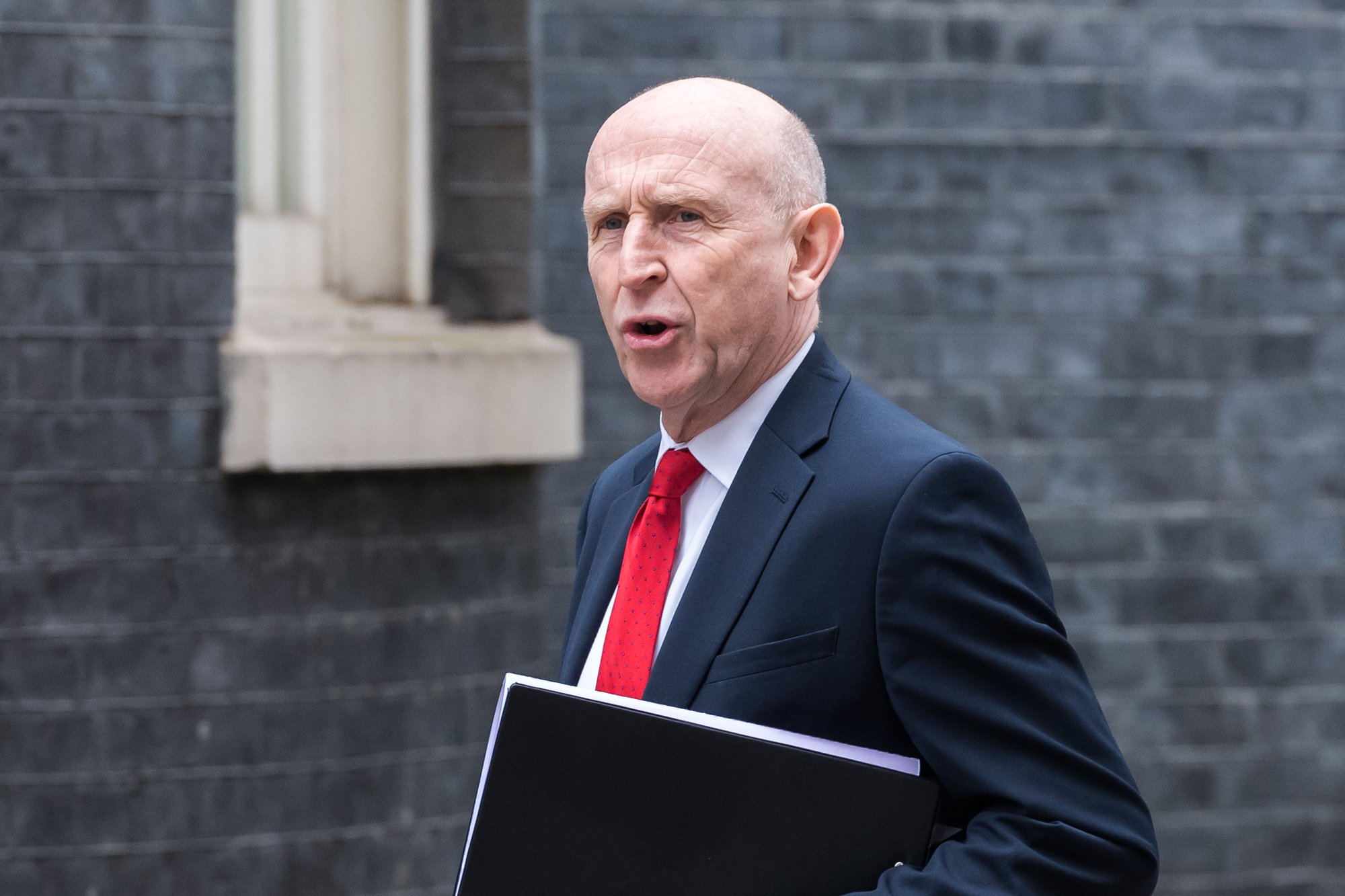
Chancellor John Healey faces a £35billion shortfall in the public finances ahead of his first Budget, according to the Institute for Fiscal Studies.

The economic think tank warned that the Government may have to raise taxes, cut welfare spending or scale back some of its promises to balance the books.
Rising inflation has increased the cost of running public services, while the Government also wants to spend more on defence, council housing and a new national care service.
Helen Miller, director of the IFS, said the Chancellor could not deliver a quiet Budget without making difficult decisions.
She said: "A 'steady-as-she-goes' Budget is not an option available to the Chancellor."
Ms Miller warned that if the Government plans to increase spending by tens of billions of pounds, it may also need to raise a similar amount through taxes.
The Government has proposed increasing defence spending to three per cent of national income. However, Prime Minister Andy Burnham has rejected suggestions that welfare should be cut to help fund the increase.
Speaking in the Commons last month, Mr Burnham said supporting national security "can't come at the expense of social security".
He also told The Rest Is Politics podcast that it would be a mistake to treat defence and welfare as competing priorities.
Mr Burnham said: "I think that is a mistake to put those two as one can be ransacked to pay for the other because we will not be in a resilient position if we have a situation where millions of young people are not in education, employment or training without any hope.
"That doesn't, in my view, leave us in a position where we're ready to face the future."
However, Mr Healey has taken a firmer position on welfare spending. He has described reducing the benefits bill as a "moral duty" and argued that allowing it to continue rising is "not progressive".

The Chancellor's options are further limited by Labour's manifesto promise not to increase income tax, National Insurance, VAT or corporation tax.
The Government has already introduced substantial tax increases. Rachel Reeves, Mr Healey's predecessor, raised taxes on households and businesses by a combined £50billion during her time as chancellor.
According to the IFS, raising another £35billion a year would be roughly equivalent to adding three percentage points to every income tax rate or increasing VAT by three percentage points.
The think tank warned that leaving overall spending unchanged would still result in effective cuts because inflation has reduced how much existing budgets can buy.
The IFS said: "A choice to leave spending totals unchanged would implicitly be a choice to cut some budgets and allow the quality and/or quantity of some public services to fall."
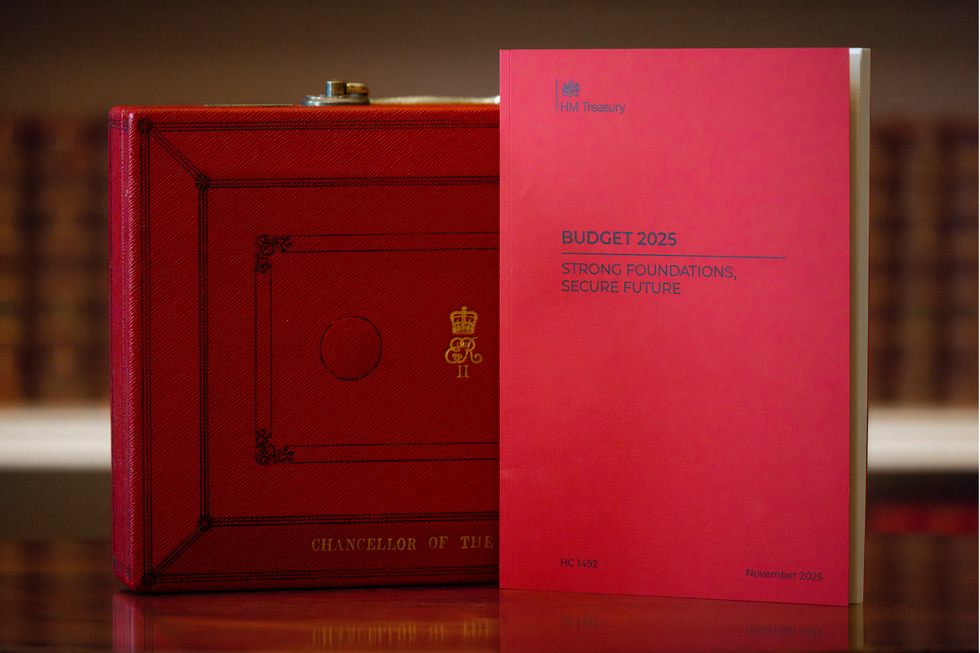
It added that the Chancellor must now decide how to divide the pressure between higher taxes, lower spending and declining public services.
Over the weekend, the Government also closed the door on extending the so-called "mansion tax" to properties worth £1.5million and abandoned a proposed levy on warehouses after opposition from Tesco and John Lewis.
Those decisions have left ministers under growing pressure to target wealth, particularly through capital gains tax. But Ms Miller cautioned that narrowing the tax base carries its own dangers.
"The risk of having taken the big taxes off the table is that you end up fiddling with smaller, more damaging taxes and therefore doing more damage than you would need to do," she said.
Ahead of his trip to Bangkok this week for the International Monetary Fund's annual meeting, Mr Healey pledged to show "fiscal discipline" in his October 28 Budget, signalling he would not resort to higher borrowing to fill the funding gap. "This means breathing space for today and hope for the future," he said.
Andrew Bailey, the Bank of England governor, warned last week that Britain could face a repeat of the Liz Truss mini-Budget crisis if the Government failed to convince financial markets that its fiscal plans were sound.

Mr Bailey did not refer directly to the Budget, but his comments provoked anger within Government. Sources told The Times that it was not the governor's role to "play politics".
Borrowing costs have climbed sharply in recent weeks amid concerns over government spending and a worldwide spike in inflation driven by the Iran war.
Shadow chancellor Andrew Griffith called on Labour to rein in welfare rather than impose further tax rises.
"Higher borrowing costs and Andy Burnham's unfunded spending commitments have swallowed up his headroom and created upward inflationary pressure," he said.
"Families cannot afford to be lumbered with even more tax rises at this Budget. Labour should cut welfare instead of dumping on working people as they have already done."
Our Standards: The GB News Editorial Charter