






John Healey eyes tearing up Rachel Reeves's fiscal rulebook in Budget to avoid tax shock

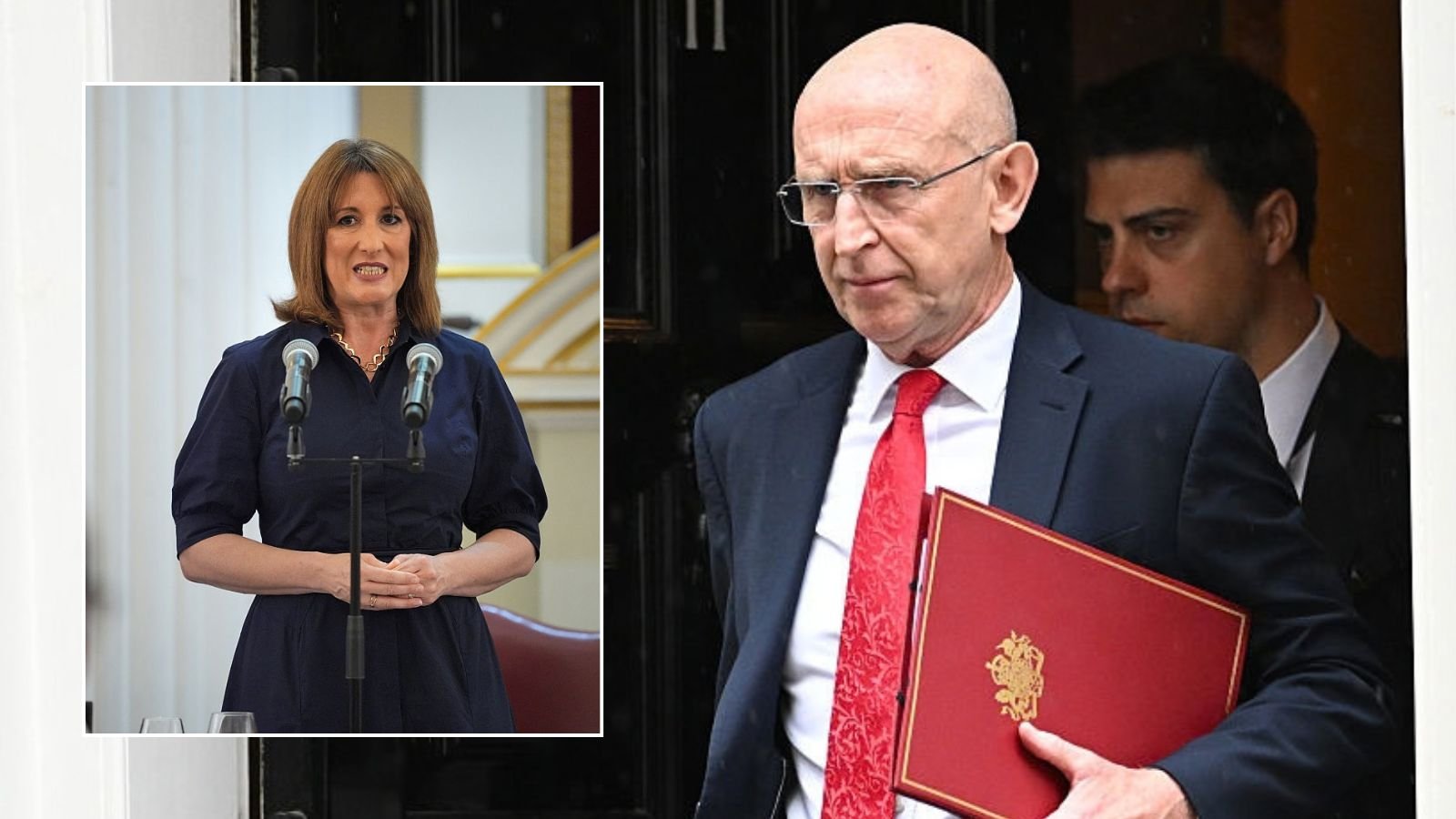
Chancellor John Healey is considering accepting a reduced fiscal buffer in next month's Budget, a move that would allow the Government to scale back planned tax increases on October 28.

Discussions between the Treasury and Downing Street are under way about setting headroom below the £23.6billion level that the Office for Budget Responsibility (OBR) forecast in March.
Under former Chancellor Rachel Reeves, the Labour Government set strict fiscal rules to calm bond markets and reduce borrowing.
However, those close to the discussions claim ministers are considering easing their adherence to said rules, The Financial Times reports.

Under current fiscal rules, everyday Government expenditure needs to be matched by tax receipts by 2029-30. The Office for Budget Responsibility (OBR) had projected that target would be met with £23.6billion to spare.
Gilt market participants have suggested the buffer could be trimmed to roughly £14billion without triggering a bond market sell-off.
During a visit to New York this week, Prime Minister Andy Burnham acknowledged the political sensitivity of further revenue-raising measures.
He said: "We have had two Budgets in 2024 and 2025 and we have to be conscious of the extent to which we have raised revenue."

LATEST DEVELOPMENTS
- TV licence fee could be abolished - but replaced with £11 a month 'internet levy' under Labour
- OBR must 'not be blamed' for tough Budget decisions, John Healey told
- GDP growth to slow next year despite UK economy rebounding in 2026, OECD predicts

The Prime Minister's remarks came as the Government grapples with a widening fiscal gap caused by the economic fallout from the Middle East conflict.
When pressed on whether Labour had found the right equilibrium between levies on income and wealth, Mr Burnham responded: "We have to make sure we get the balance right."
He declined to elaborate further on specific fiscal plans, adding: "These are matters for the Budget."
His comments suggest Downing Street is wary of imposing additional burdens on taxpayers for a third consecutive year.

James Carter, co-head of fixed income at W1M, told The FT: "A reduction in headroom would be uncomfortable given the Government's stated commitment to maintaining it.
"But the bigger question is whether investors believe the fiscal strategy behind it."
Britain's borrowing costs have surged dramatically amid a worldwide bond sell-off triggered by the conflict.
Gilt yields stood at just above 4.2 per cent before the war began but have climbed past 5.4 per cent this month, reaching their highest point since 2007.
Our Standards: The GB News Editorial Charter