




Homeless veteran told by charity to show support for migrants getting houses in personal testimony

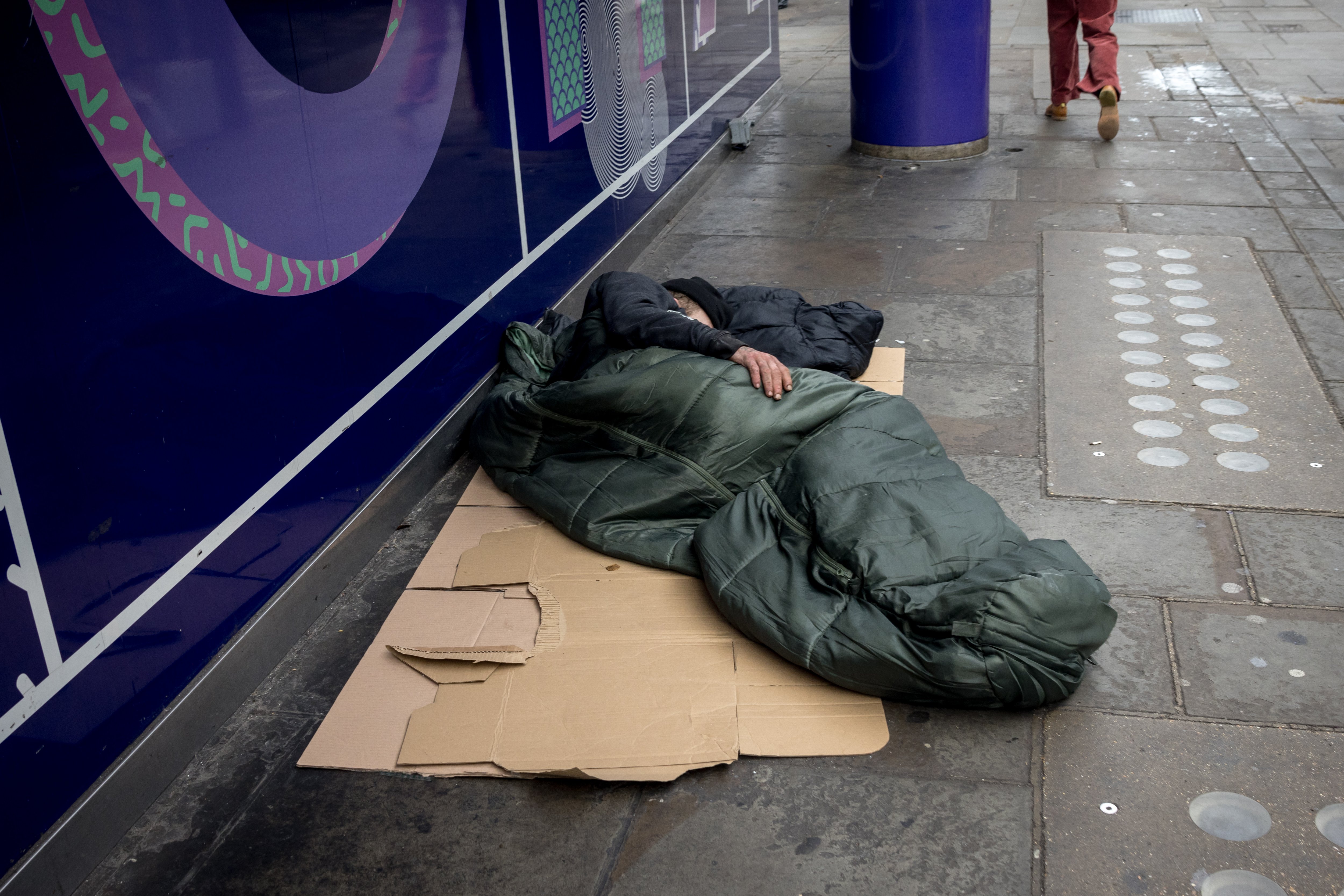
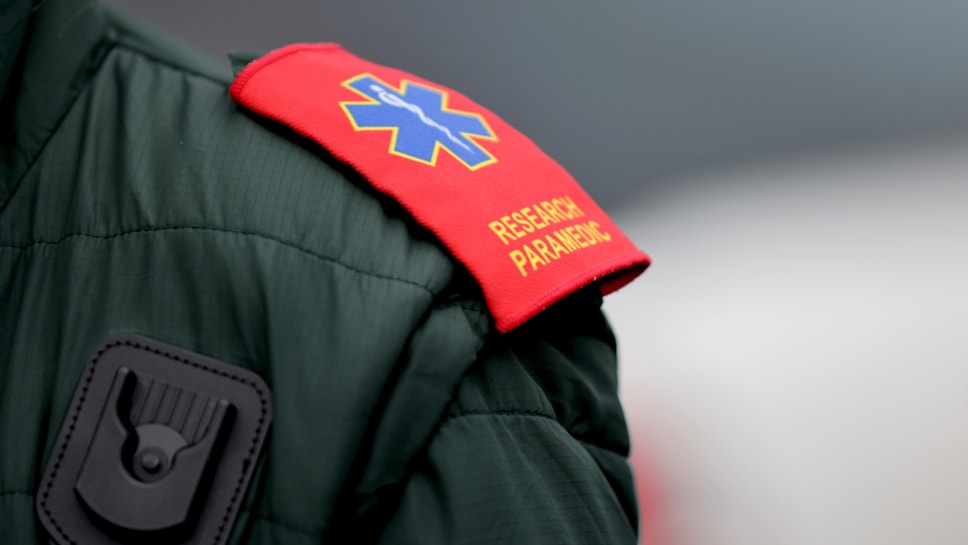
A homeless veteran has been told by a rough sleeping charity to defend migrants receiving housing in his personal testimony.

The former soldier, who served Britain in Eastern Europe, responded to the charity, Shelter's, appeal last December inviting Britons to share their experiences of homelessness.
He submitted a detailed account covering his military service, post-traumatic stress disorder, homelessness, emergency accommodation and a legal dispute with his local council.
Shelter initially praised the veteran's account, which made no reference to immigrants, telling him it was "exactly the sort of story they were looking for".
Weeks later, however, he received a follow-up message from the taxpayer-funded charity asking him to add lines defending the housing of migrants within his testimony.
The email, seen by the Mail on Sunday, said: "One thing we need to be mindful of is that (for some reason) people conflate veterans being homeless with migrants 'getting homes', so we'd need to address this in the post.
"You could either write something we can include or we could add something at the end like, 'We need social homes. Everything else, putting the blame on migrants, so-called "affordable" homes that are not actually affordable, telling people to "save up and buy" is unacceptable. Only social home building will end homelessness'."
Speaking on the condition of anonymity, the veteran said it was "an attempt to turn [his] personal experience into political propaganda".

He said: "What I find particularly troubling is that this was not a message I had wanted incorporated – I had approached Shelter to tell my own personal story, after being encouraged by them to do so, and had trusted them with a detailed and deeply personal account of experiences I found difficult to revisit.
"Yet a political issue concerning migrants was subsequently introduced, and I was forced to promote a particular message within the story."
"I regard that as an attempt to turn my personal experience into political propaganda that I had never consented to."
"I believe there is a serious public-interest question about how charities solicit and use the stories of vulnerable people, and whether those people are genuinely being given a voice, or are instead being used and abused to lend emotional credibility to, in this case, an organisation's open borders and pro-migration messaging."
LATEST DEVELOPMENTS
- Green Party launches crackdown on banter by telling members to snitch on unwoke jokes
- Imperial War Museum to undergo £1m rebrand because young people 'can’t relate to world wars'
- Boots employee suspended for 'racism' and slapped with warning for singing kids' song at work

Conservative MP Katie Lam, the party's Shadow Housing Secretary, echoed the veteran's concerns, accusing Shelter of using a vulnerable individual as a "political pawn".
She said Shelter appeared to be advancing "an ideological Left-wing campaign" through the veteran's story.
The anonymous veteran grew up in care before joining the Army in 2018, serving until 2023, including deployments in Ukraine and Eastern Europe.
He left the military due to mental health issues and knee injuries.
His experience worsened by his local authority, Chesterfield Borough Council, after he became homeless "through no fault of my own", he said.
A senior housing officer had asked whether he had "killed anyone in places such as Iraq" - a question he described as "deeply distressing".
A Shelter spokesman confirmed the charity has since apologised to the veteran.
They said: "We truly value people sharing their lived experience of the housing emergency with Shelter.
"Our approach to working with one of our storytellers was not the right one in this instance, and we are sorry for that.
"Our commitment to telling people's stories in an authentic way is vitally important, and we are taking the learnings from this forward."
Shelter has received significant public funding in recent years, including government grants totalling almost £27million between 2021 and 2025.
Chesterfield Borough Council said it could not comment on individual cases but confirmed it was "not council policy" to ask veterans whether they had killed anyone during service.
A council spokesman said: "We recognise why such a question could be distressing for an individual.
"Our officers follow national homelessness legislation and guidance, which recognises that military service can affect a person's housing situation, well-being and ability to cope with civilian life.
"It is important that we understand those needs so that we can provide appropriate advice and support."
Our Standards: The GB News Editorial Charter