






Donald Trump says the US will stop funding Israel 'by the end of this year'

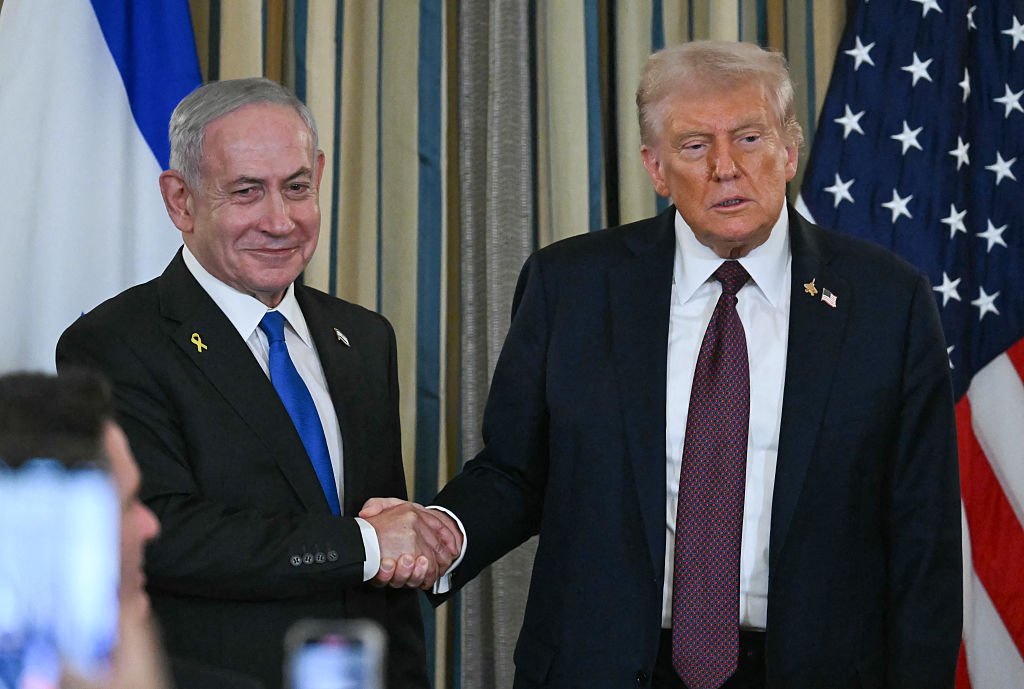
President Donald Trump has said the US would stop $4billion (£2.9billion) in annual funding to Israel after this year, but will still sell weapons to its Middle East ally.

In a surprise announcement as US voters headed to the polls for midterm elections, he cast the move as partly meant to take away a "bad talking point", he said, that left-wing Democrats had used against Republicans over support for military assistance to Israel.
President Trump did not provide details or explain how the funding would end at year's end, even though the Memorandum of Understanding providing $3.8 billion (£2.8billion) in US military aid to Israel each year does not expire until September 2028.
However, he seemed to acknowledge that aid to Israel, no longer the solid source of bipartisan consensus it had been for decades, had become a political liability for him among some voters
Discussions have been underway on how Washington's assistance to Israel would evolve beyond 2028, and Israeli Prime Minister Benjamin Netanyahu had already said he expects US aid to wind down over time.
President Trump, however, appeared to signal that his mind was made up about what would mark a significant shift in US-Israel relations, even as the two countries remain in conflict with Iran more than eight months after jointly attacking the Islamic Republic.
He told Fox News that Israel no longer needed the funding and that some Democrats and left-wing politicians were using the US financial support for Israel to criticise Republicans.
Opinion polls show that the US public's overall support for Israel has declined, mostly due to the ongoing war in Gaza.

President Trump said: "Now, as far as paying Israel, Bibi Netanyahu and I have made a deal that we give Israel $4billion a year, and we made a deal months ago that we're stopping.
"We've already agreed that by the end of this year we won't be paying Israel. Now we'll help Israel if they need it."
Israel's future leadership is uncertain after an October 27 election in which Netanyahu, who has allied himself closely with US Republicans, lost his governing majority but denied his opponents a clear path to unseat him.
The results paved the way for what are expected to be complex negotiations over a new government.
LATEST DEVELOPMENTS
- Boy George opens up on 'dangerous pronoun generation' on his Israel tour
- Benjamin Netanyahu accuses Arab parties of ‘stealing’ Israeli election as deadlock looms
- Benjamin Netanyahu urged to step down as exit polls show Israel at political loggerheads
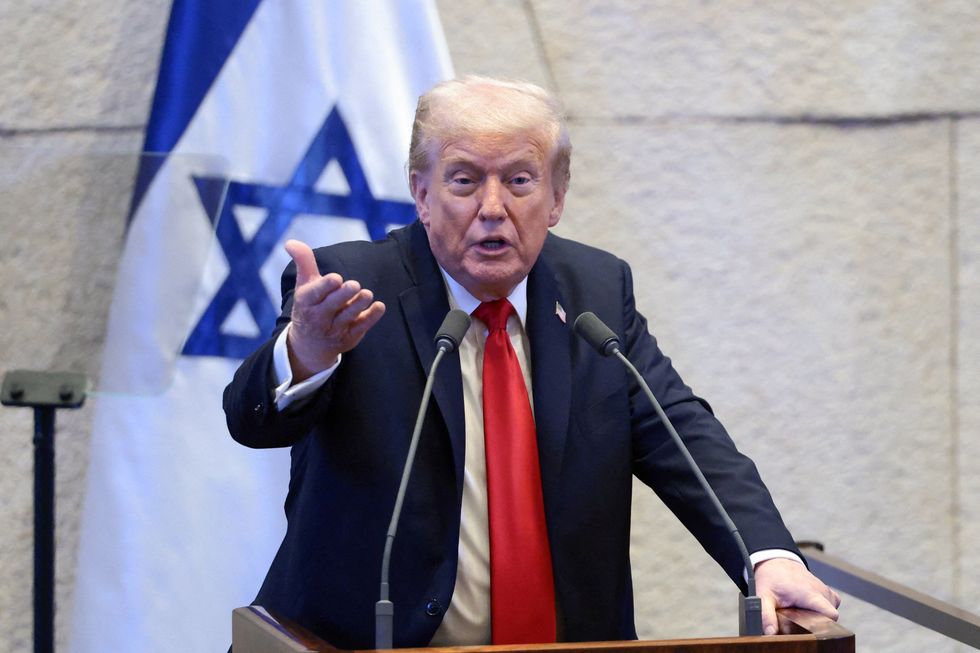
US public support for Israel has fallen, particularly among Democrats, since Israel's devastating response in Gaza to a Hamas-led cross-border attack on October 7, 2023.
A Quinnipiac University poll in June found 48 per cent of voters and 66 per cent of Democrats believe the US is too supportive of Israel, up from 16 per cent and 20 per cent, respectively, when the question was first asked in 2017.
Polls and analysts say Democrats are likely to wrest control of the House of Representatives from President Trump's Republicans in Tuesday's elections. Control of the Senate remains uncertain.
A number of candidates critical of Israel won Democratic primaries over the past year, and even moderate lawmakers have been increasingly willing to challenge longtime US support.
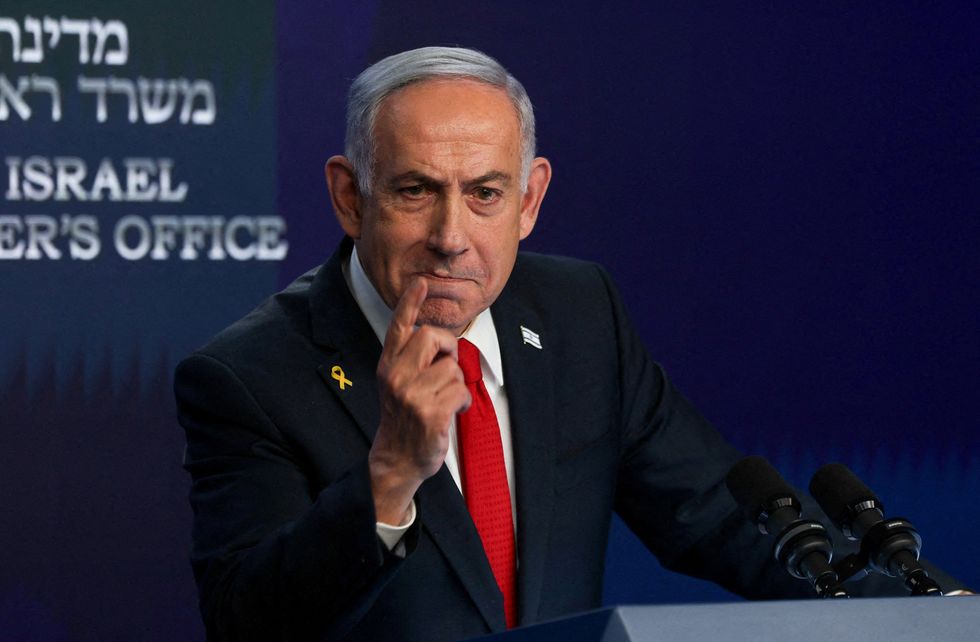
Some members of the Make America Great Again movement have also become increasingly critical of Israel, accusing it of having misled the president, who campaigned on a promise to avoid foreign interventions, into believing Iran could easily be defeated.
Polls show most Americans oppose the war, which has driven up US gasoline prices and pushed down President Trump's approval ratings.
Jon Alterman of the Center for Strategic and International Studies think tank in Washington said: "The curious issue is timing.
"Why did President Trump announce it on Election Day? And why did he announce it amidst speculation that a major joint US-Israeli military strike against Iran may be days away?"

Congress passed a law in 2020 authorising the funding for Israel, but the Senate and House must still pass appropriations bills every year to distribute and release the funds.
Prime Minister Netanyahu said in an interview with an Israeli television channel in October: "If you think we're going to continue receiving what I secured twice, and that's tens of billions of dollars in American aid for the defence budget, prepare yourselves and get used to the fact that it won't happen because America has changed."
Our Standards: The GB News Editorial Charter