




Burka ban debate sparks fury in Welsh Parliament as Reform compared to Nazis for 'anti-British' claim

A fiery debate has erupted in the Welsh Parliament after Reform UK Wales called for greater scrutiny of full-face coverings.

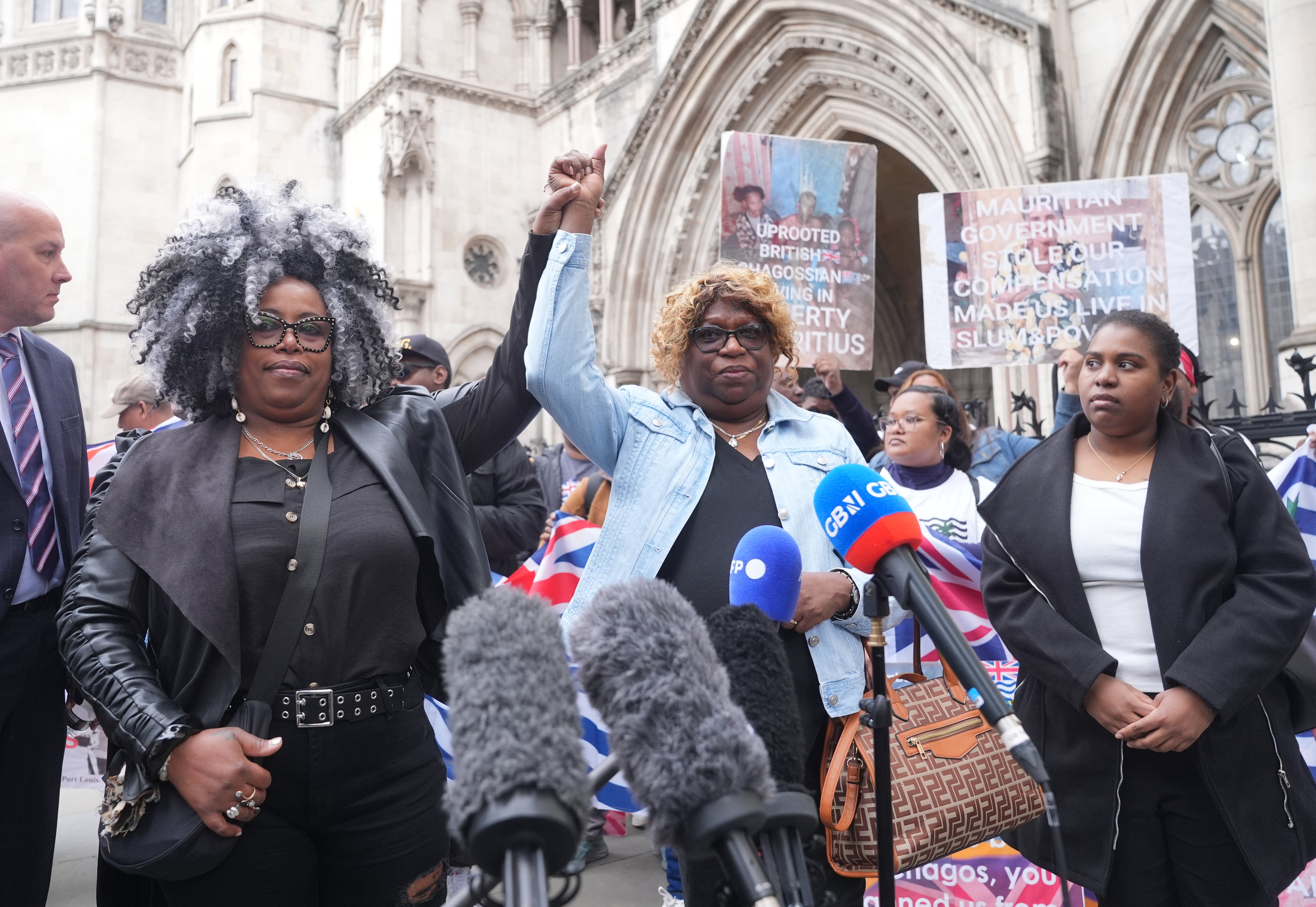
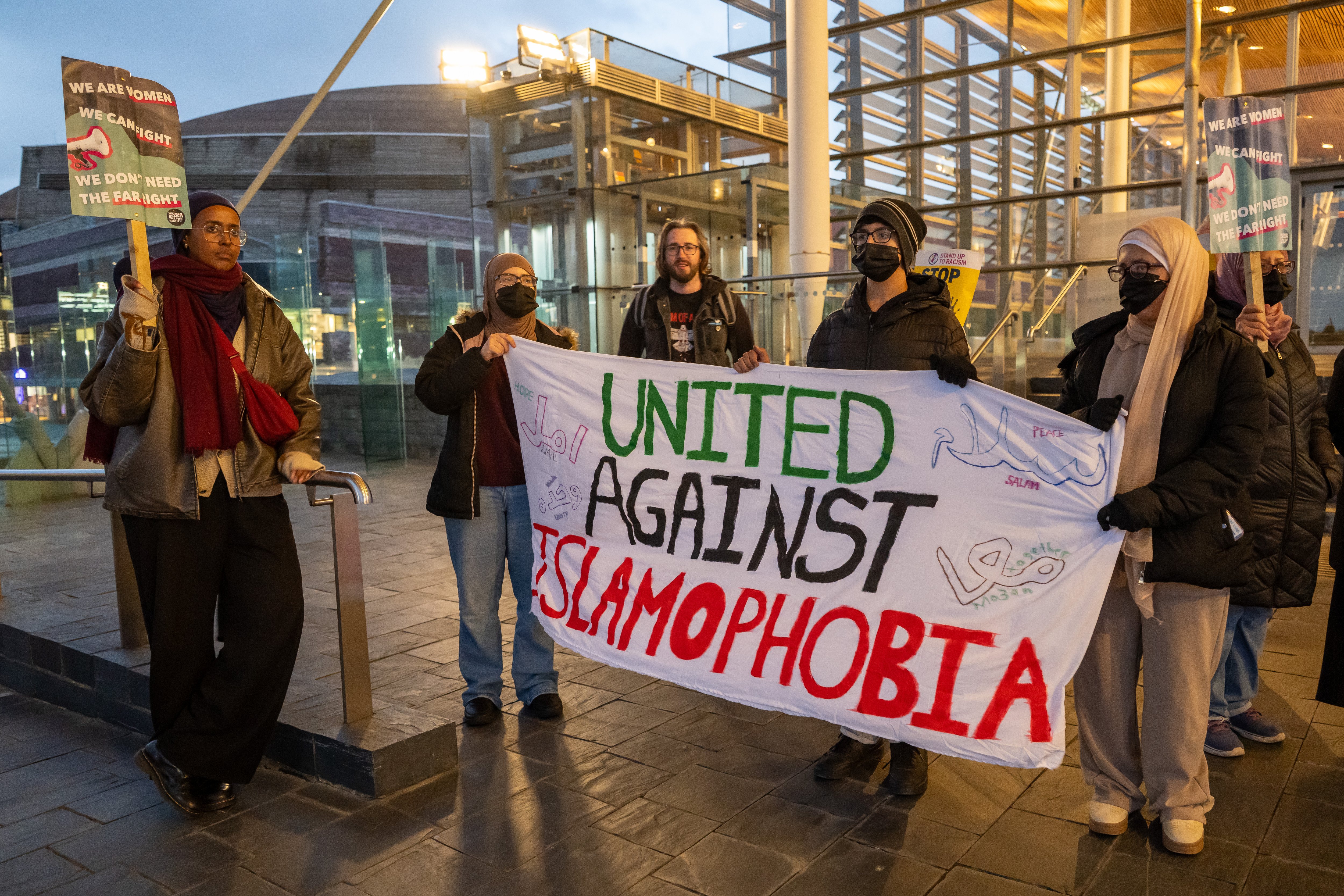
Protesters gathered outside Cardiff Bay yesterday as MSs discussed proposals to ban face coverings.
Taking on Plaid Cymru in the Senedd, Reform UK's Jason O’Connell argued that the burka and other full-face coverings raised questions about "women’s freedom" and "public safety".
He mentioned the use of balaclavas and burkas, vowing to crack down on those "evading accountability" is needed.
Mr O'Connell insisted that people should feel safe in their communities and nobody should be able to hide their identity.
He told the Senedd: "Plaid care more about promoting foreign cultures than our own and they clearly don't care about keeping Welsh people and businesses safe.
"Now, when a Welsh person supports Reform, Plaid often accuse them of questioning their loyalty to Wales. But when foreign people, who can't speak any British language, enter Wales, live on the welfare system, they are celebrated as trophies of the benefits of mass migration."
He argued: "They don't care about how a lack of integration by face-clad unknown people impacts Wales, our working-class communities.
"All they care about is supporting mass migration in all its forms, no matter the cost to our communities."

Mr O'Connell dismissed allegations from other parties that Reform Wales is being "Islamophobic".
He said: "They defend balaclavas, all because they want someone in our society to be able to hide their faces. Now, some will lazily say we're being Islamophobic, whatever that means.
"Now, some, in no doubt, will roll out the old classic, intrigue racists. These tropes are tired, ineffective, and clearly wildly inaccurate, but I will address them."
The Reform Wales politician said his party supported freedom of religion "in all its forms, but where that freedom oppresses women and damages assimilation into Welsh communities, a line must be drawn".
LATEST DEVELOPMENTS
- UK Government websites taken offline amid cyber security threat
- Labour likely to REJECT drilling at Rosebank oilfield after approval of Jackdaw
- Keir Starmer listed as 'core participant' in grooming gangs inquiry

He argued that coverings such as burkas are "anti-British": "For these women, raised under an extremist form of Islam, the burqa is a symbol of oppression. The symbol is what Plaid members are attempting to back today. An extreme ideology.
"There is an anti-British, anti-women, and against assimilation, forced on young girls and carried on into adulthood. Now, in numerous countries, the burqa is already banned, but we cannot allow this form of oppression to become the norm in Wales.
"Reform has no issue with hijab. We have no issue or problem with race, creed, or religion, protesters, we do have an issue with people living amongst our communities hiding their identities."
Hitting back at Mr O'Connell, Welsh Deputy First Minister Sioned Williams declared it is a "sad day indeed" that members who are "here to represent the whole of Wales seek to divide those communities".
She told the Senedd: "I've listened carefully to the contributions this evening. I've been disturbed by such an unsettling sound.
"Because, Llywydd, you don't have to strain hard at all, do you anymore, to hear the dog whistle that has too often pierced political debates in this chamber since the election in May.
"That dog whistle varies in volume. It's always there but it's getting louder. It lingers over those benches, a deliberately intangible thing that leaves many too many wondering whether a line has been crossed.
She also stated: "Framing religious dress as contrary to British values without demonstrating any harm that justifies interference with fundamental rights risks deepening division rather than strengthening cohesion. But this is clearly Reform UK's aim here.
"The Jewish people of 1930s Germany were subject to the Nuremberg laws that stated they were no longer German, laws that led to their persecution and extermination by the state that stripped them of their German-ness, enabled by those who believed German-ness could not accommodate diversity.
"Who is the arbiter of Britishness or Welshness? Who decides that a woman who wears a face covering is less British or less Welsh?"
Our Standards: The GB News Editorial Charter