





BBC's Nick Robinson handed dressing down by shadow minister over benefits claimants' spending - 'It's TAXPAYER cash!'

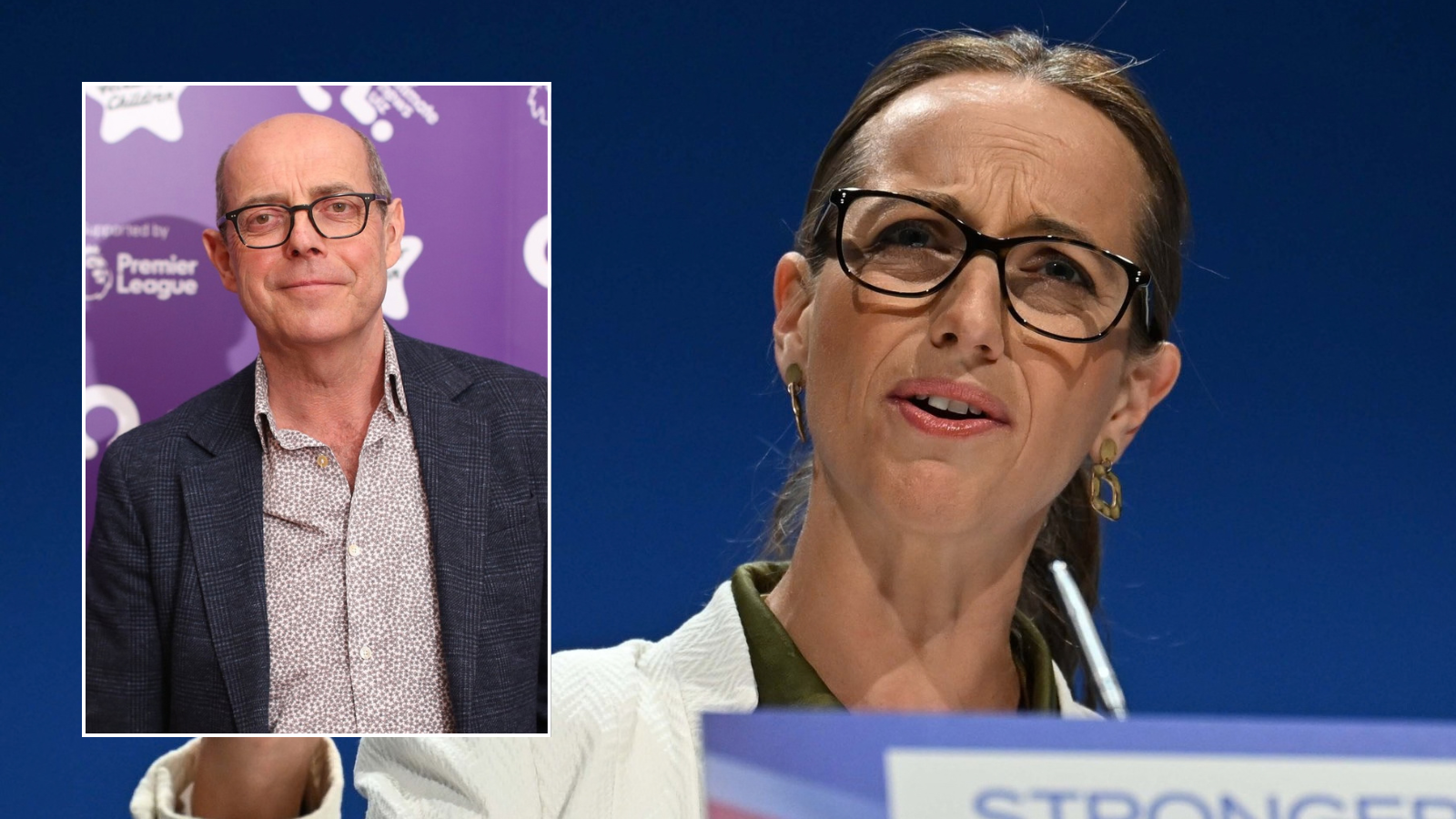
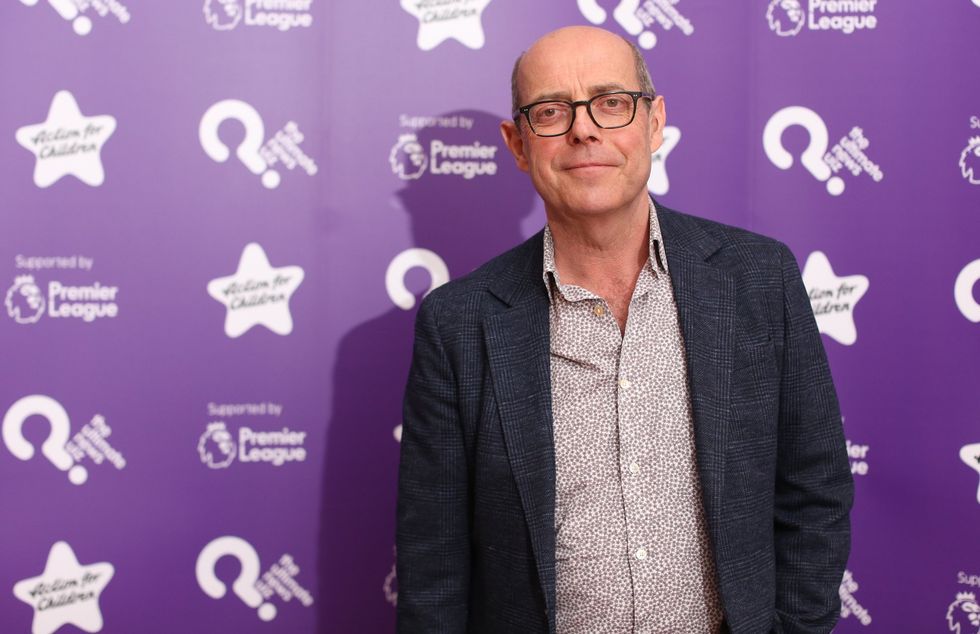
The BBC's Nick Robinson was scolded by the Shadow Work and Pensions Secretary this afternoon over criticism of a fresh Conservative pledge to restrict benefits claimants from splurging on alcohol, cigarettes and gambling.

Kemi Badenoch earlier unveiled plans to cut payments to long-term unemployed people by around a third, with cash payments replaced by prepaid “back-to-work cards” blocked from spending on illicit items.
The Tory leader said the welfare system should act as a safety net rather than become a long-term alternative to employment, and argued that people who are able to work should be encouraged into jobs through “tough love”, particularly young people.
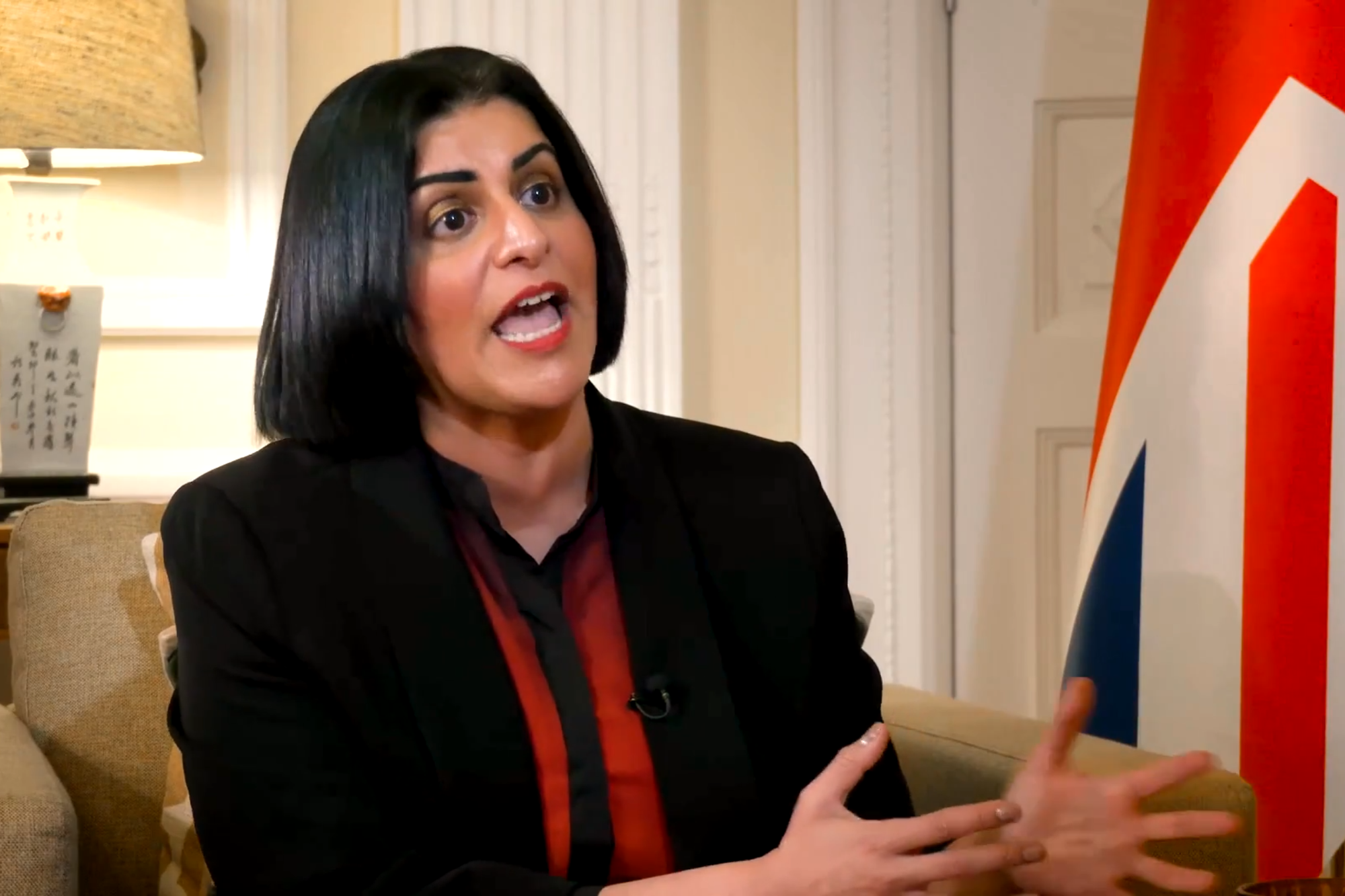
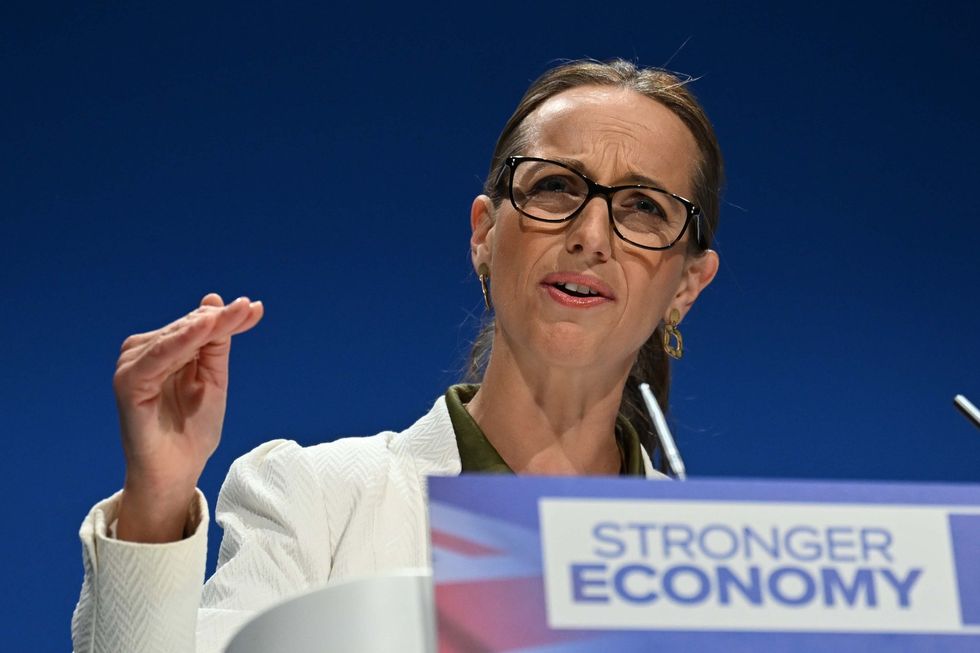
In an interview with Shadow Work and Pensions Secretary Helen Whately, Mr Robinson asked: "Isn't it patronising? To tell people how to spend their own money?"
In response, Ms Whately rebutted by arguing the money claimants have access to is in fact not their money, and said: "This is taxpayers' money."
She added: "This is a crucial thing. It's when a taxpayer, somebody who is hard working, struggling to make ends meet - probably at the moment having to scrimp and save to pay their own bills - going without luxury themselves.
"Then if they see somebody on welfare being able to live a life they can't afford to live themselves, that is not fair, this is taxpayers' money."
The minister addressed Mr Robinson's other critique of the system ignoring the consequence of addiction, and instead argued: "One of the worst things you can do for somebody with an addiction is keep giving them cash."
The plans would divide Universal Credit into a full-rate payment and a lower “subsistence allowance”.
Claimants would initially receive the full rate, with their entitlement later determined partly by their work history.
The Conservatives say the reforms could save around £504million annually, and affect about 1.2 million people, with tougher restrictions on sickness benefits, including changes affecting some lower-level mental-health claims.
"The best way to have earnings that they can spend how they like is by working", Ms Whately concluded.
LATEST DEVELOPMENTS
- Benefits claimants to be banned from spending your money on alcohol under Tory plans
- Kemi Badenoch doubles down on 'common sense' benefits crackdown in GB News grilling
- Kemi Badenoch's 'sticking plaster' welfare crackdown torn apart by Richard Tice: 'Drop in the ocean'
Labour also criticised the prepaid-card system as “unworkable”, arguing that the Conservatives failed to reform the welfare system during their time in government.
Meanwhile, Reform UK has also criticised the proposals, saying they do not go far enough to prevent abuse of the welfare system.
Mrs Badenoch has defended the measures as necessary to reduce welfare dependency and encourage employment.
The Office for Budget Responsibility estimates that the UK’s benefits bill could reach £407 billion by 2030/31.
Responding to the Conservative party’s latest welfare plans, John O’Connell, chief executive of the TaxPayers' Alliance, said: “Taxpayers and businesses will welcome any serious plans to tackle Britain’s growing welfare and worklessness crisis.
“The people paying the bills expect basic principles of fairness from a welfare system, like the expectation of paying in to take out in times of need and claimants doing what they can to get back to work.
“Getting to grips with the welfare system is essential if we are to bring spending under control and get Britain back to work."
Ms Badenoch had earlier warned that Britain's benefits system had become a "lifestyle choice" for those unwilling to work.
She said: “If you can work, you should work. Helping people into work is not punishment. The best welfare is a well-paid job.
“So, we will be tough on those who exploit the system because the current system is unfair to workers, taxpayers and those who truly need support.
“Welfare must be a safety net for those who genuinely need it, not a lifestyle choice for those who can’t be bothered."
Asked how she would tackle those who inevitably would "find a way around" the ban, Mrs Badenoch told GB News that the policy is the "right thing to do".
Our Standards: The GB News Editorial Charter