







Andy Burnham told to cut PIP in DWP overhaul as 'public finances look difficult' ahead of Budget

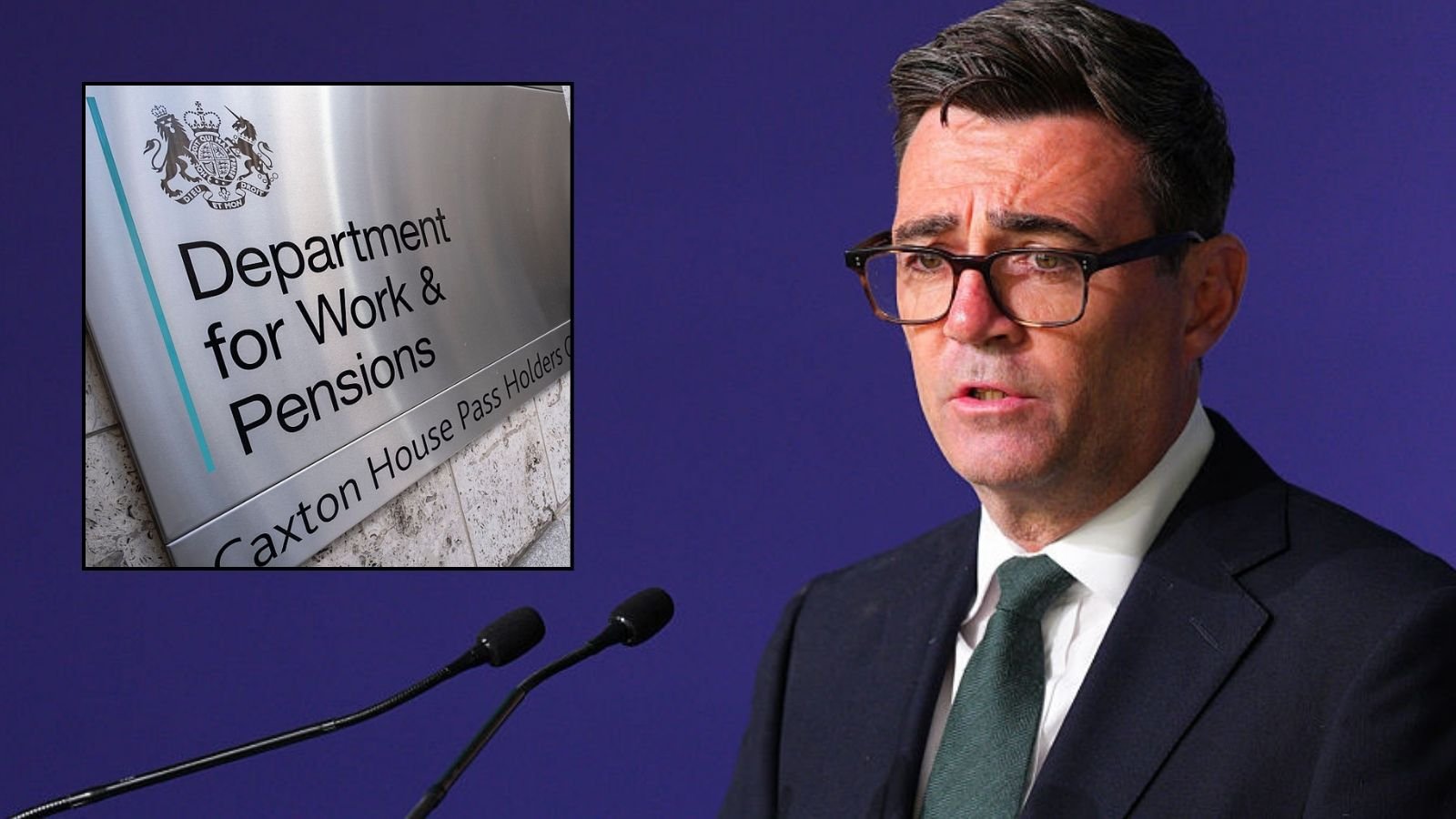
Prime Minister Andy Burnham is being told to make cuts to Personal Independence Payments (PIP) as part of the upcoming Autumn Budget on October 28.

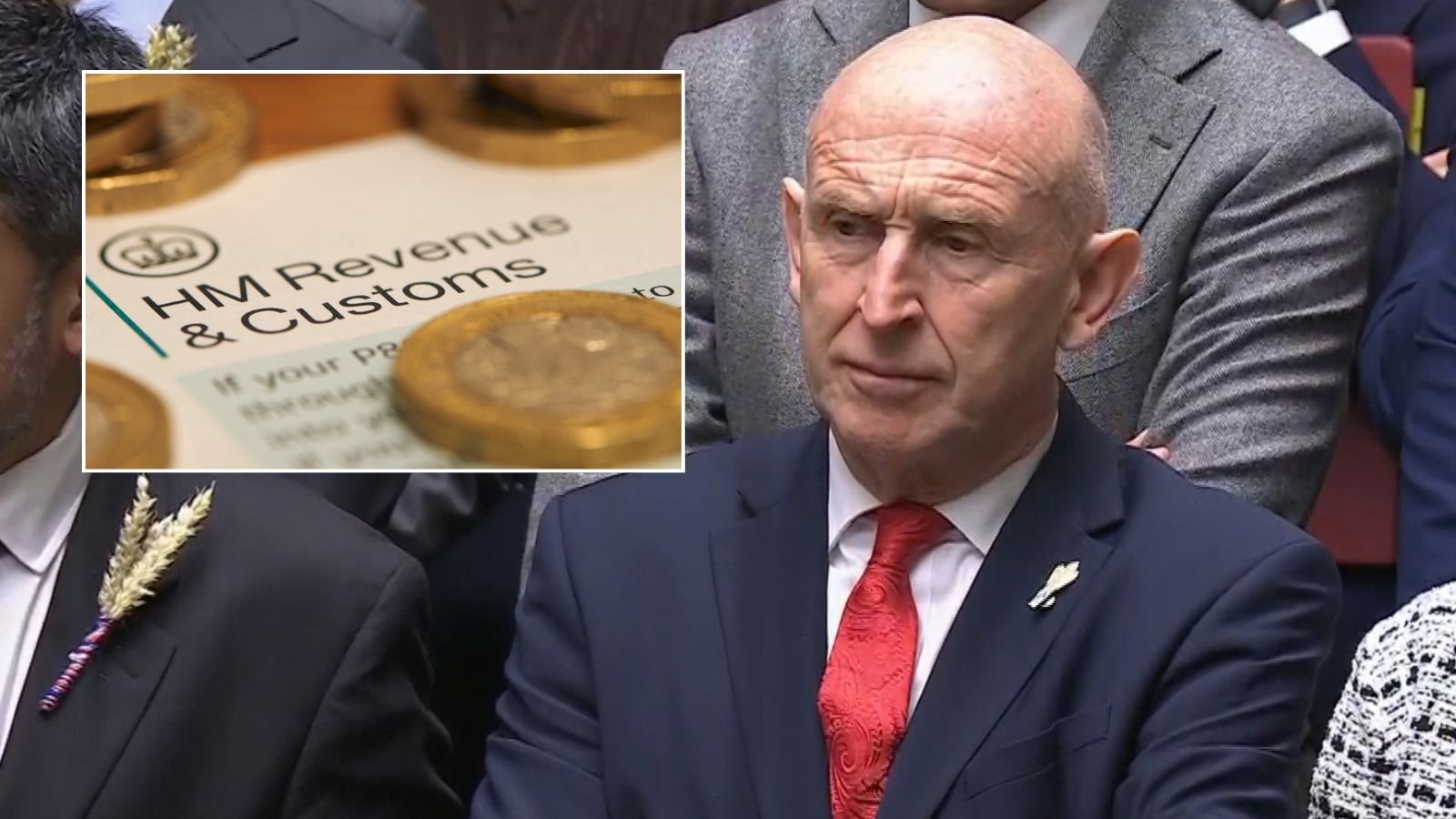
Chancellor John Healey is preparing the statement, which represents the first major fiscal intervention from the Burnham administration since the former Greater Manchester Mayor got the keys to Number 10 Downing Street.
Economist Paul Johnson, who formerly led the Institute for Fiscal Studies (IFS0, has urged Prime Minister Andy Burnham to reject the "extraordinary" surge in PIP claims and wider disability benefit expenditure.
Mr Johnson argued that the Labour Government must work to bring down the "huge" sums being directed towards these benefits to lower spending costs.

He proposed that one route to controlling costs would be a "tightening" of the eligibility criteria for PIP, the benefit designed to cover additional expenses arising from physical or mental health conditions.
Mr Johnson spent 14 years at head of the IFS between 2011 and 2025, making him the think tank's longest-serving director. He took up the role of Queen's College's provost in August 2025 but continues to be one of the most influential voices on economic matters.
In an interview with The i, he said: "The new Chancellor has inherited the same set of problems that the previous Chancellor had. The public finances still look pretty difficult, given that borrowing costs, if anything, have gone up a little bit since the last Budget."
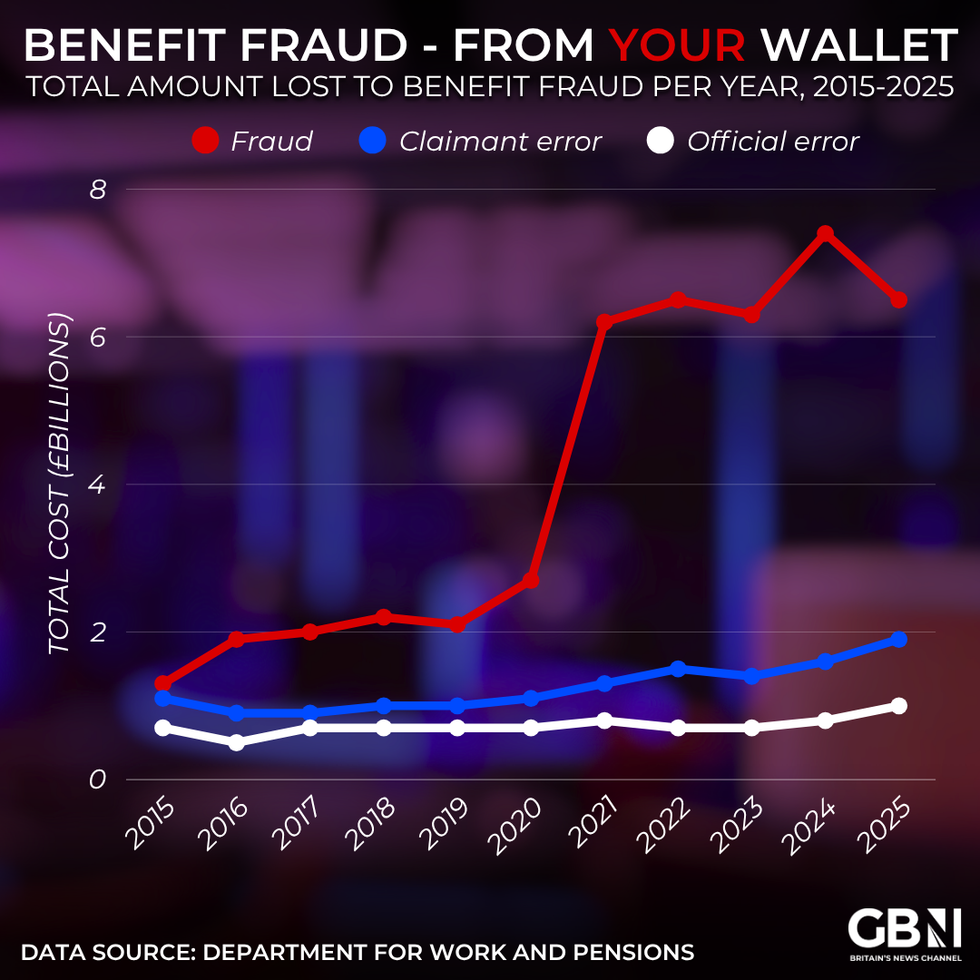
Spending on working age sickness and disability benefits has ballooned from £36billion in 2020 to £58billion at present, and the Office for Budget Responsibility (OBR) projects it will reach £78billion by the end of the decade.
LATEST DEVELOPMENTS
- Youth unemployment crisis: Nearly 1 million young Britons STILL not in work or education
- State pension triple lock declared 'unsustainable' as calls to axe payment hikes grow
- Britain's benefits bill to cost taxpayers an extra £1.7billion, IFS warns
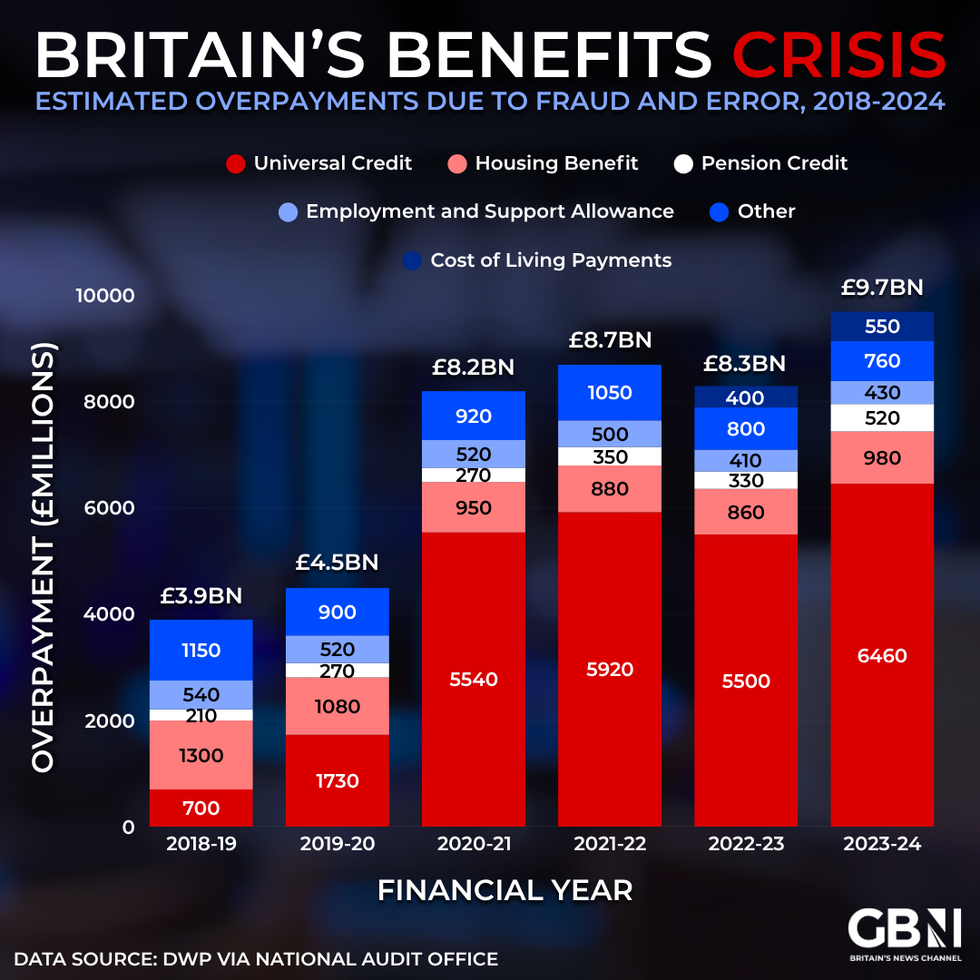
Mr Johnson said: "If we're talking about working age welfare, I mean there is only one part of it which has really expanded very fast, or is expanding fast, and that is the disability incapacity benefit part."
PIP claimant numbers in England and Wales have also climbed sharply, rising from 3.6 million when Labour entered Government in 2024 to four million today.
Mr Johnson indicated that Healey may need to turn to tax rises in the forthcoming Budget, identifying capital gains tax (CGT( as a prime candidate for an increase.
At the same time, he called on the Chancellor to abolish or "significantly" reduce stamp duty, which is levied on homebuyers when purchasing property.

In reaction to PIP claims hitting four million earlier this year, a DWP spokesperson said: "The growth in the PIP caseload has slowed significantly under this government.
“We’re fixing the broken system we inherited by creating a welfare state that works for disabled people and taxpayers, and have launched the Timms Review, co-produced with disabled people and their representative organisations, to make sure PIP is fit and fair for the future."
Our Standards: The GB News Editorial Charter