



Andy Burnham 'eyes £38billion tax raid'

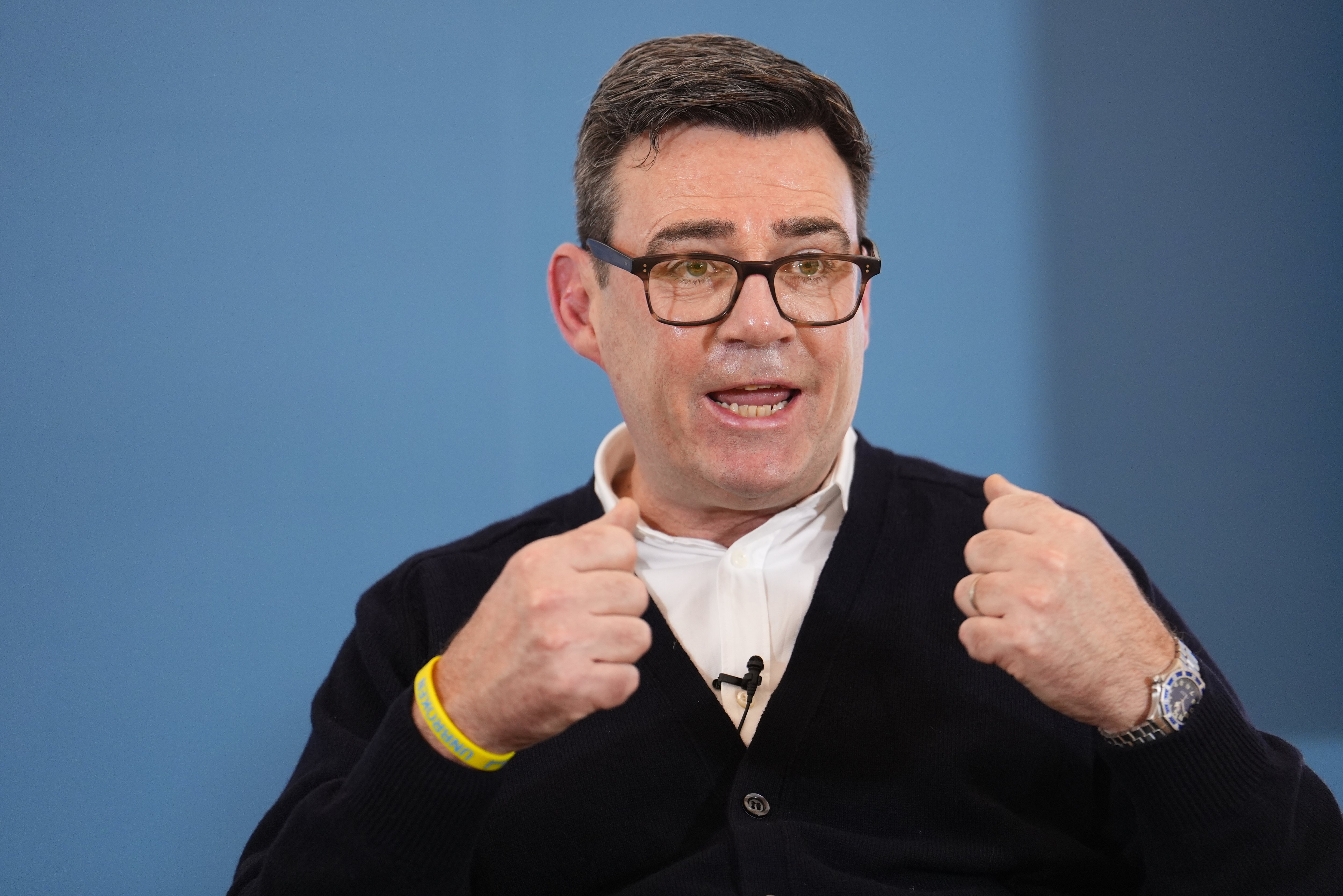
Andy Burnham is preparing to impose £38billin in additional taxes targeting wealthy individuals to finance increased public spending, according to analysis published by Reform UK.

The research into the incoming prime minister's policy commitments suggests Labour's cumulative tax rises would exceed £100billion annually, up from approximately £66bn under the current administration.
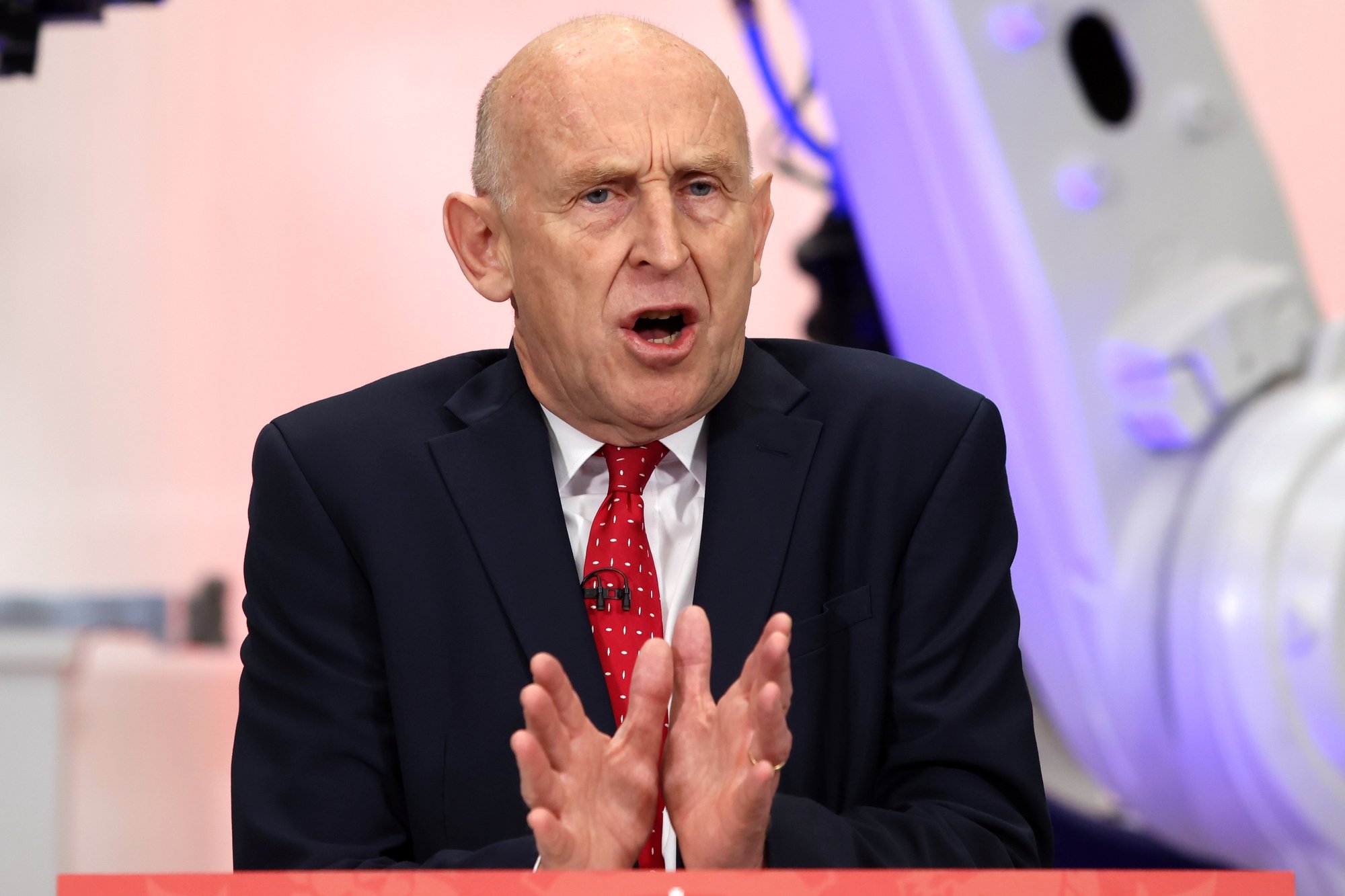
Robert Jenrick, serving as Reform's economy spokesman, issued a direct challenge to the prime minister-in-waiting ahead of his unopposed election as Labour leader on Friday.
"Andy Burnham has spent 20 years reaching for other people's money a death tax on family homes, a graduate tax on young people getting their first pay cheque, a £14bn raid on savings and investment, and new levies on everything from your parking space at work to your weekend away," Mr Jenrick stated.
"If Mr Burnham disputes this, the remedy is simple: rule these 10 taxes out, by name, today."
The proposed measures encompass a "care levy" that would claim up to 10 per cent of estate values following death, alongside reforms to capital gains tax rates and the introduction of National Insurance contributions on rental income received by landlords.
According to the Institute of Public Policy Research, taxing landlords' rental earnings would generate roughly £3billion annually, though economists caution this approach could constrain housing availability and push rents higher for tenants.
Mr Burnham is also reportedly weighing a reduction to the "mansion tax" threshold from £2million to £1.5million, a move that would subject numerous homeowners across London and the South East to elevated council tax bands.
Additional policies the incoming leader has previously endorsed include a graduate tax as an alternative to student loans, increased gambling levies, and workplace parking charges.
Mr Burnham has so far declined to reveal specific taxation plans before delivering his first Budget, though he has committed to operating within Labour's existing fiscal framework requiring debt to fall as a proportion of GDP.
The incoming leader has indicated support for raising the top rate of income tax to 50 per cent for highest earners, which would represent a departure from Labour's 2024 manifesto pledge not to increase income tax.
Earlier this month, he refused to dismiss the possibility of aligning capital gains tax with income tax rates, stating he would "want to look at" such changes.
His potential appointment of Ed Miliband as chancellor has drawn concern from Labour MPs, who have urged him to select a more centrist figure such as Wes Streeting or Shabana Mahmood instead.
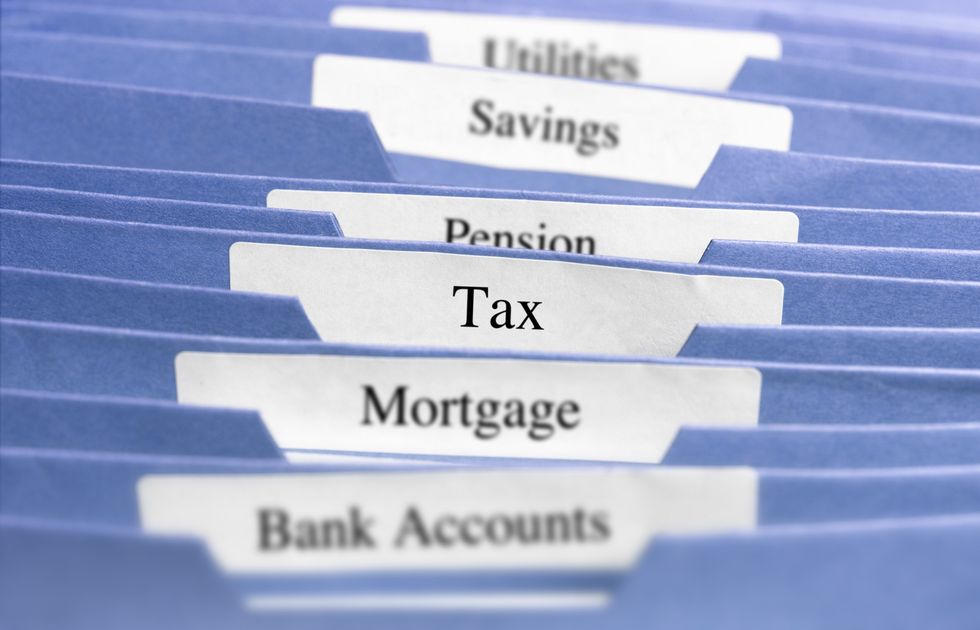
Lord O'Neill, a former Goldman Sachs chief economist now advising Mr Burnham on economic matters, sought to reassure voters that the incoming administration would not pursue punitive taxation.
Speaking on the Rest is Money podcast on Sunday, he contrasted Burnham's approach with Sir Keir Starmer's, saying the outgoing leader had effectively told the nation: "Sorry, we're going to tax the hell out of you. Life's going to be miserable."
"That is definitely not the nature of our probable incoming leader," Lord O'Neill added.
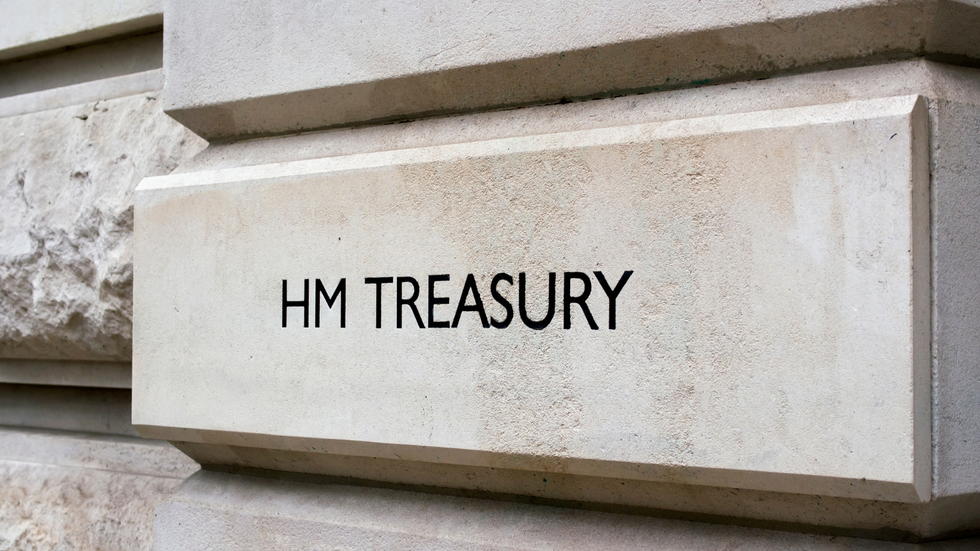
However, business leaders and ultra-wealthy individuals have expressed alarm that installing a left-wing chancellor could undermine market confidence and increase government borrowing costs.
The Treasury currently dedicates approximately 10 per cent of total spending to servicing debt interest payments.
Our Standards: The GB News Editorial Charter