








Andy Burnham admits 'difficult decisions' will be made on tax to fund social care reforms

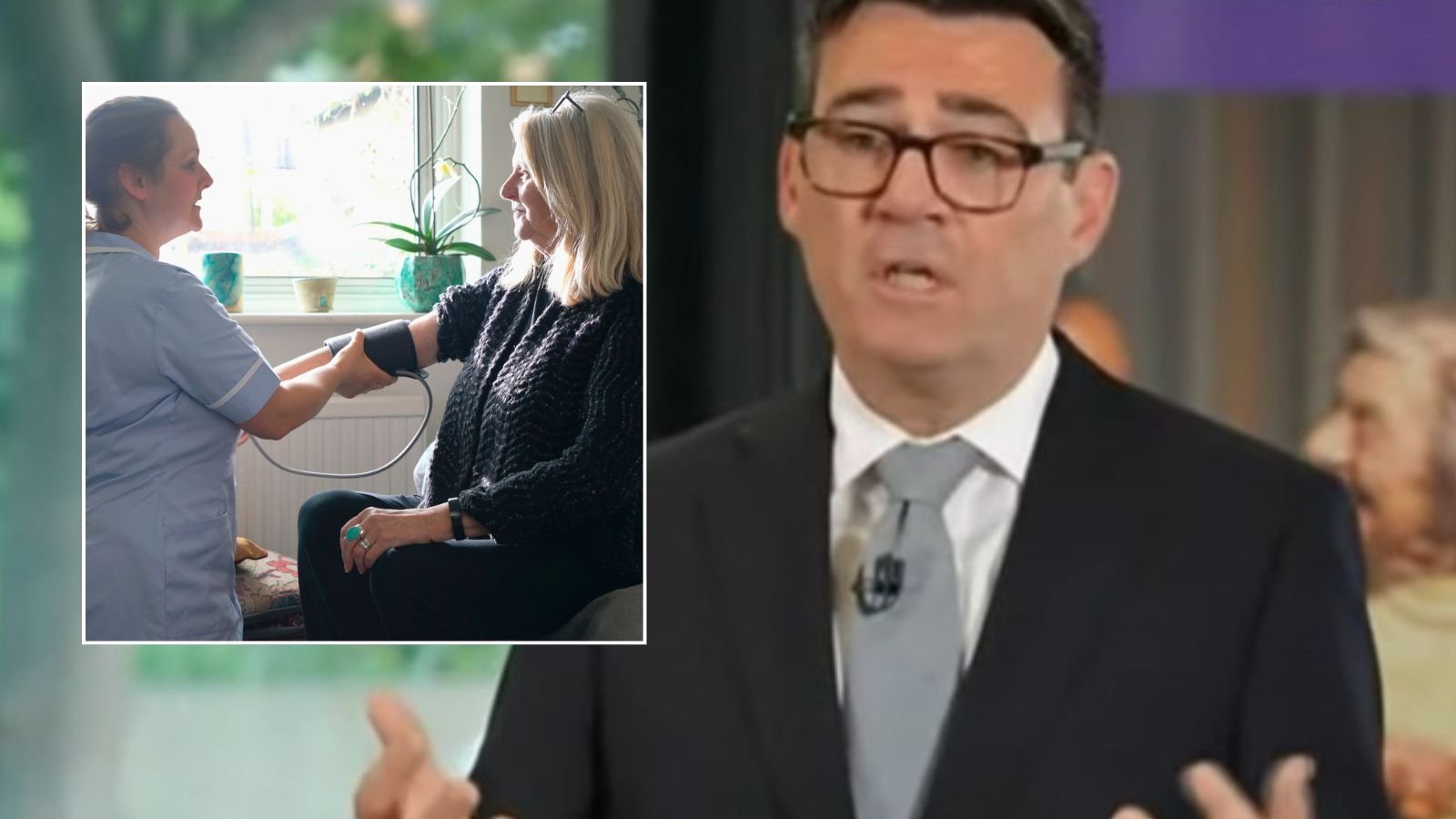
Prime Minister Andy Burnham has admitted "difficult decisions" will be made as fears grow a tax hike is on its way to fund the country's estimated £18billion social care bill.

Reports suggest civil servants are drawing up legislation that would force employees to contribute to a privately managed fund to pay for care in later life.
Among the new proposals being floated are a hike in income tax, which would be levied at 1.8 per cent of earnings over £6,240 for working people 34 or older.
This sum of money would then be invested on for workers and ringfenced to fund social care when they need such support in later life.

During a press conference outlining his commitment to tackling Britain's social care crisis, Mr Burnham asserted that carers should be the "best paid in society".
The new Prime Minister has handed over an olive branch to other political party leaders, except Reform's Nigel Farage, to address the situation.
When asked whether he will raise taxes to fund his plans, Mr Burnham claimed social care can be improved "within existing budgets".
Notably, he said that efficiency of the current funding model needs to be looked at before tax rises but warned there will be "difficult decisions" to come.
LATEST DEVELOPMENTS
- Andy Burnham told death tax would cost his own voters in Makerfield £50k as PM searches for £18bn
- HMRC issues tax warning to 1.8 million Britons as letters sent out: 'Don't ignore it!'
- Pension rule change to have 'major impact' on retirement savers
Catherine Foot, director of the Standard Life Centre for the Future of Retirement, said: "Adult social care reform is one of the most heavily delayed policy issues we face today, with successive Governments struggling to find cross-party consensus on addressing the challenges.
"But that shouldn’t be a reason to kick this into the long grass. Getting this right means people can live with dignity in later life and aren’t forced to use up their life savings to pay for basic care needs.
"Under the current system, there are some people who experience very high social care needs who are not eligible for state support and so must foot the bill personally.
"There are a range of options for how those costs should be shared. However, before deciding who should pay, we first need to agree on what sort of social care system we want and the outcomes it should deliver."

Our Standards: The GB News Editorial Charter